

Another older posting. Discuss what has improved or changed since then.
 Good afternoon! :)
I’m back with my final installment to my mini series of blog posts. If you’ve just joined the conversation please take some time to read through my other blogs. As always, please like and share this posting so others can join the conversation! I enjoy learning from others too!
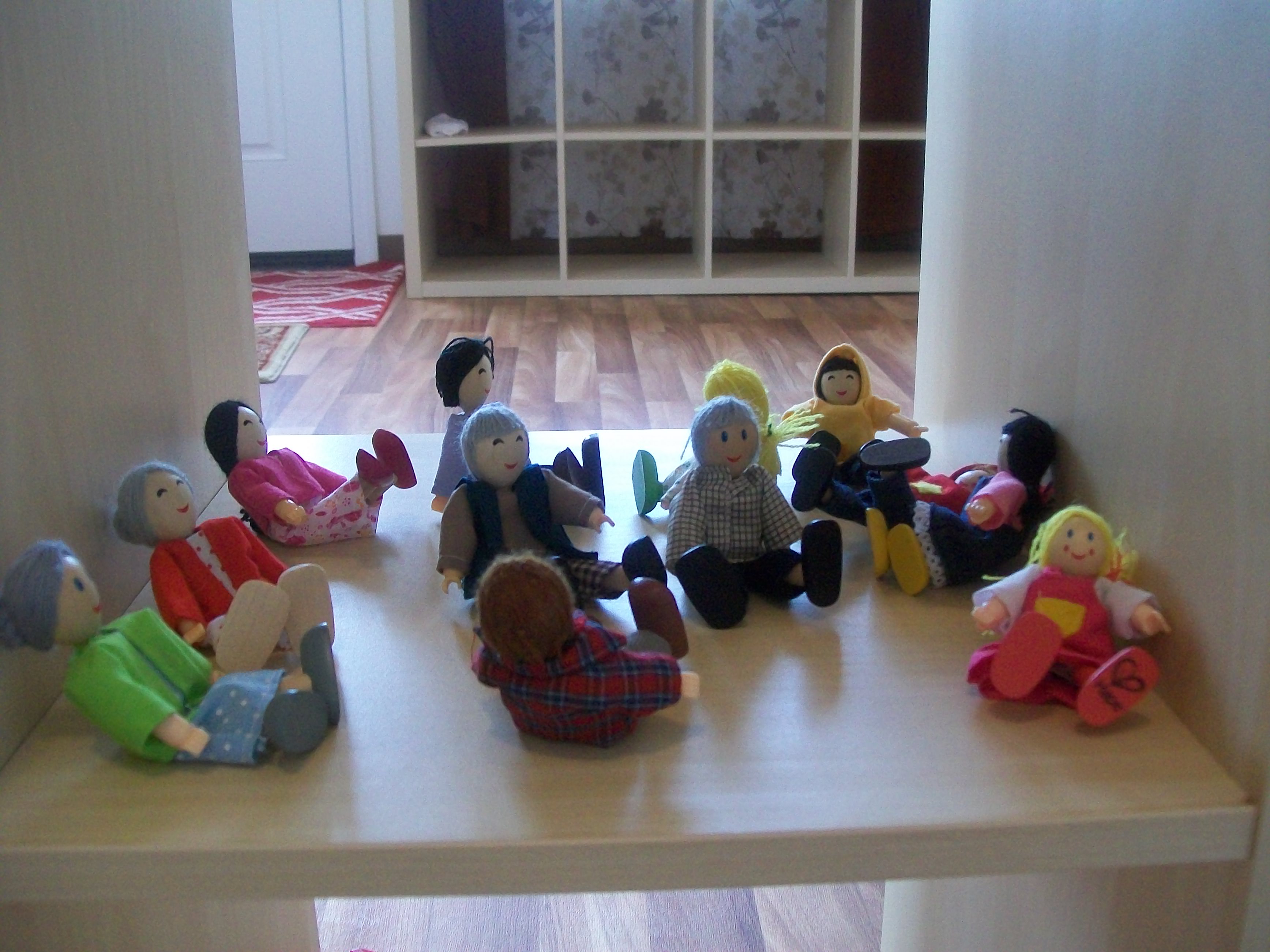 Today’s discussion will be centered around aspects of STEM (science, technology, engineering, and math). There is a lot more to STEM than what I would like to discuss today, but you can find all sorts of stuff on other websites. For now, I would like to focus on how important STEM can be for young children and why it is wonderful to expose children to these content areas sooner rather than later.
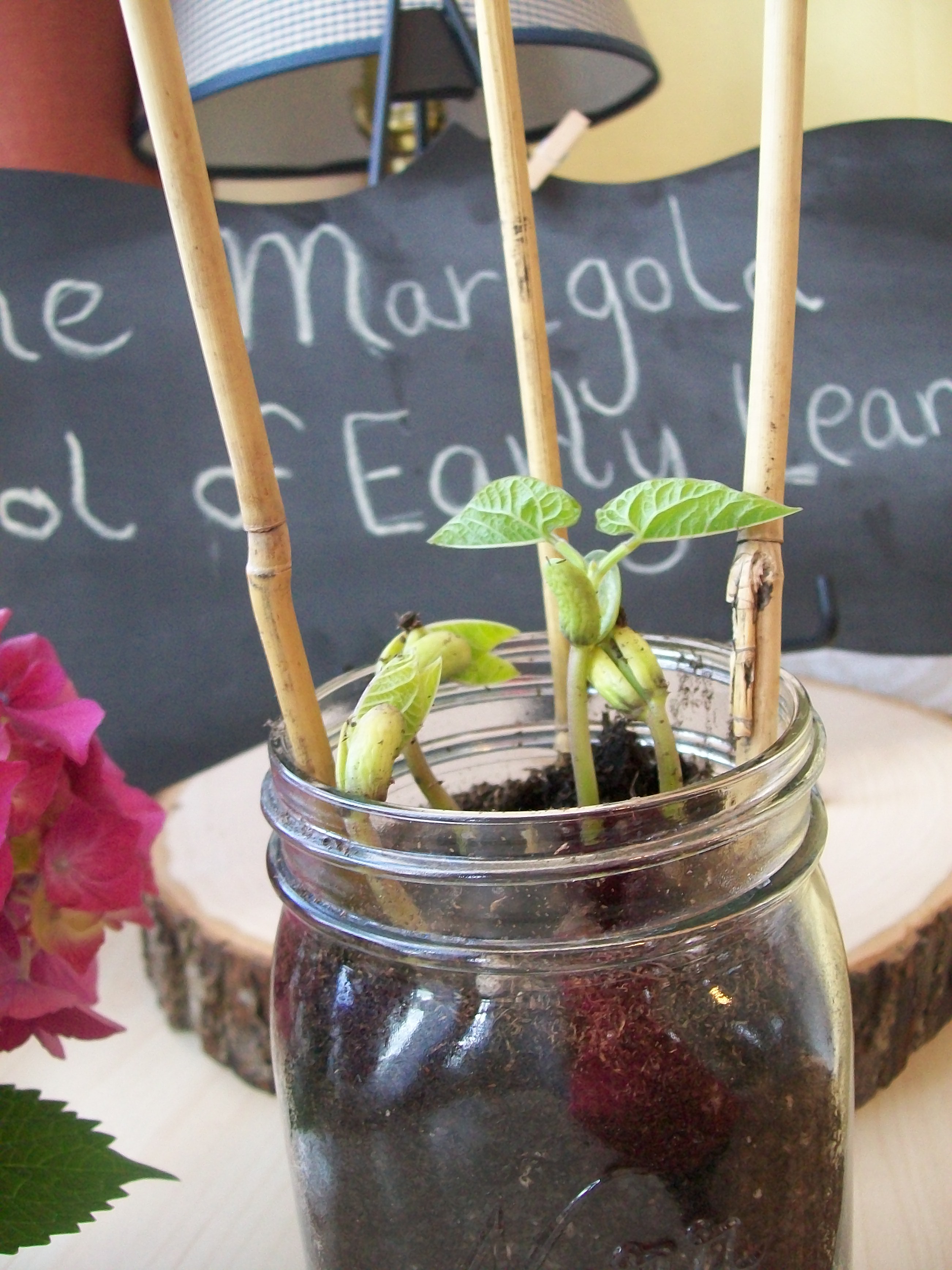

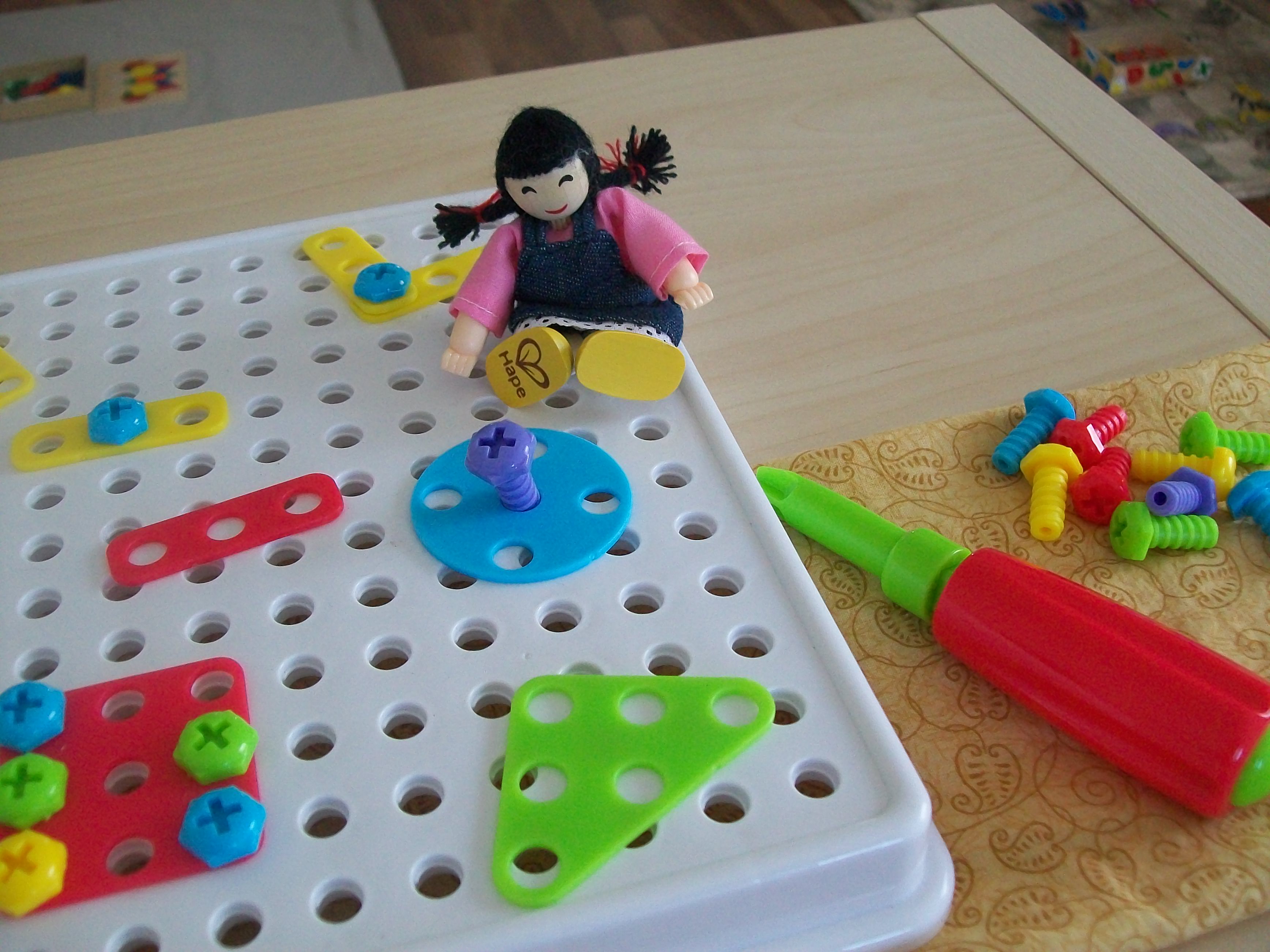
 Children are exposed to math and science early in their lives just as they are to art and literacy. The difference is that most traditional programs and some progressive, focus too heavily on the arts and literacy and really don’t put as much time into the sciences and math contents. With STEM, we educators are able to learn and understand more about how important these content areas are for both girls and boys. The focus narrows down a bit to really hone in on girls and minority groups, which haven’t done as well with these areas of study in the past.
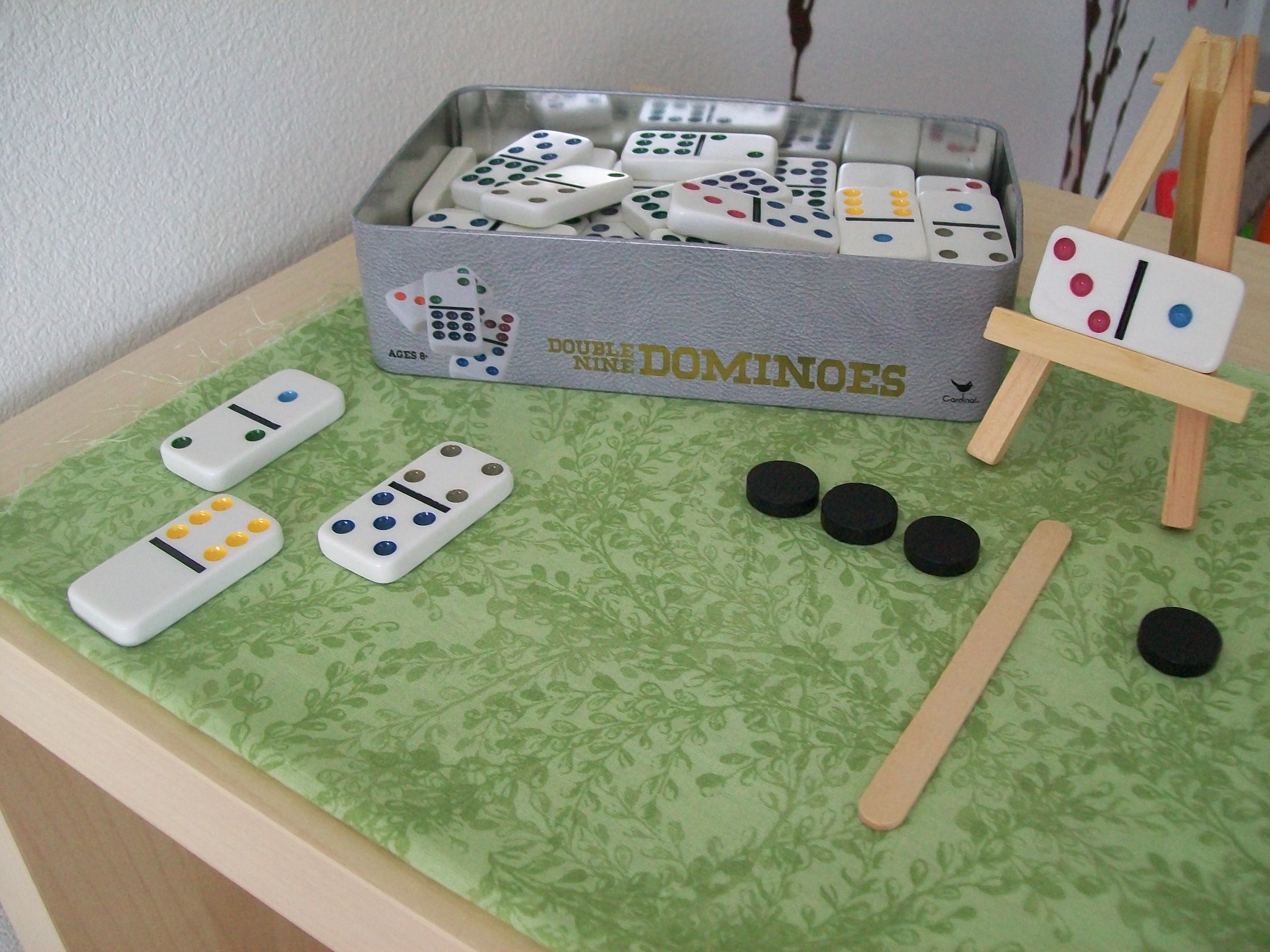 When the sciences, technology, engineering, and math are not integrated into early learning environments and curriculum, the children miss out on vital key ingredients to their learning and future interests and abilities. Waiting till children are well into middle school and high school is too late for most children. Science is a curiosity from the start, so why ignore it? Just like with art and literacy, young minds crave knowledge and it just so happens most of the sciences are very sensory and tactile oriented. The world children are the most curious about is filled with unending science! So making sure STEM is covered in the early years is also key to children developing strong foundations for future interests and learning. When a child’s foundation for all learning is built strong in the early years, the later years are so much more rewarding because the children don’t have to struggle as much with these traditionally more male dominated areas.
 Young girls and minority groups should have equal opportunities to learn science, technology, engineering, and math. These opportunities should appeal to them as much as it does to the dominant male gender in these fields. That means as educators and parents it is our job to encourage all children to explore, question and construct. Children are naturally young scientists and that usually is stunted when they enter schools that focus heavily on the other core content areas. If we are addressing the needs of the whole child and every child, then it is vital that we do not stifle the natural scientist in each child. We need to nurture those ideas and constructions so as the children grow and learn more they will be far more competent in the STEM areas and be able to compete and work with other nations as adults.
 Check out your local Early Learning Department and any related sources for more information on STEM. Classes are also available to take so you can be up to date and ready to implement these age-old content areas but in a new and better way.
 I was a child that really struggled with math through my formal school years. I really had to work hard later in my life due to not having a strong science and math foundation from my early years. So other young children do not suffer the same fate, it is extremely important that we change our way of looking at the STEM content areas. Our futures rely on the sciences and math areas, so why not create curriculum, that invites, inspires and allows children to utilize their creative art and literacy skills in conjunction with the areas of STEM? The more positive and creative ways we can introduce a variety of subject matter to young minds the more fascinated they will become. The more fascinated they are, the more they will question, work together, discover and construct.
 Please share how you have implemented STEM into your early learning schools. And how has STEM changed parental, perspective on these core content areas?
 Thank you for stopping by The Marigold School of Early Learning! :)
 Coming from both progressive and traditional educational environments I have been fortunate enough to witness and experience many different ways in which parents have helped in the classroom through the years. The ways in which parents have participated in the schools and classrooms I’ve taught in have ranged from being responsible for one center or activity table to having parents sign up to be a classroom helper and jump in wherever assistance was needed. One of the things I’ve always stressed it that parents should only engage in activities in which they feel comfortable. The reason for this is so the experience is enjoyable and rewarding for both the parent and their child. I prefer that parents be able to choose the areas of interest they wish to help out with and I love inviting them to share a special talent they have, such as music, plants, art etc.
 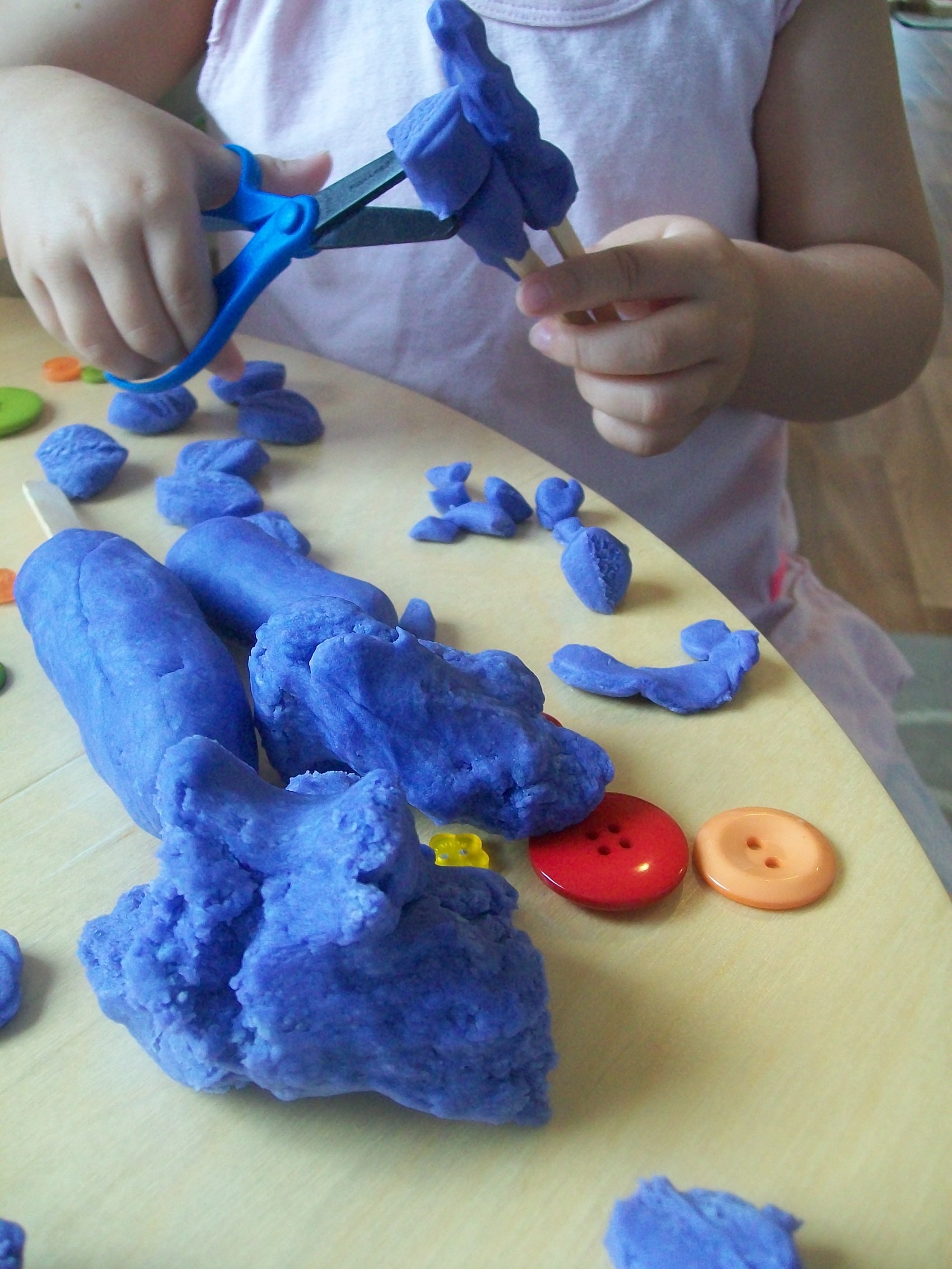 In Reggio inspired early learning classrooms parent involvement can grow over time. As the parent participates more and more in different aspects of the learning day, he/ she becomes more confident in their abilities to not only support but to impart knowledge and learn from the children around them. In this way, the parent not only continues to influence the children in positive ways, but they too are learning new things from being around a diverse group of children. The more comfortable parents become participating and assisting the more confident they become in how their children are learning too.
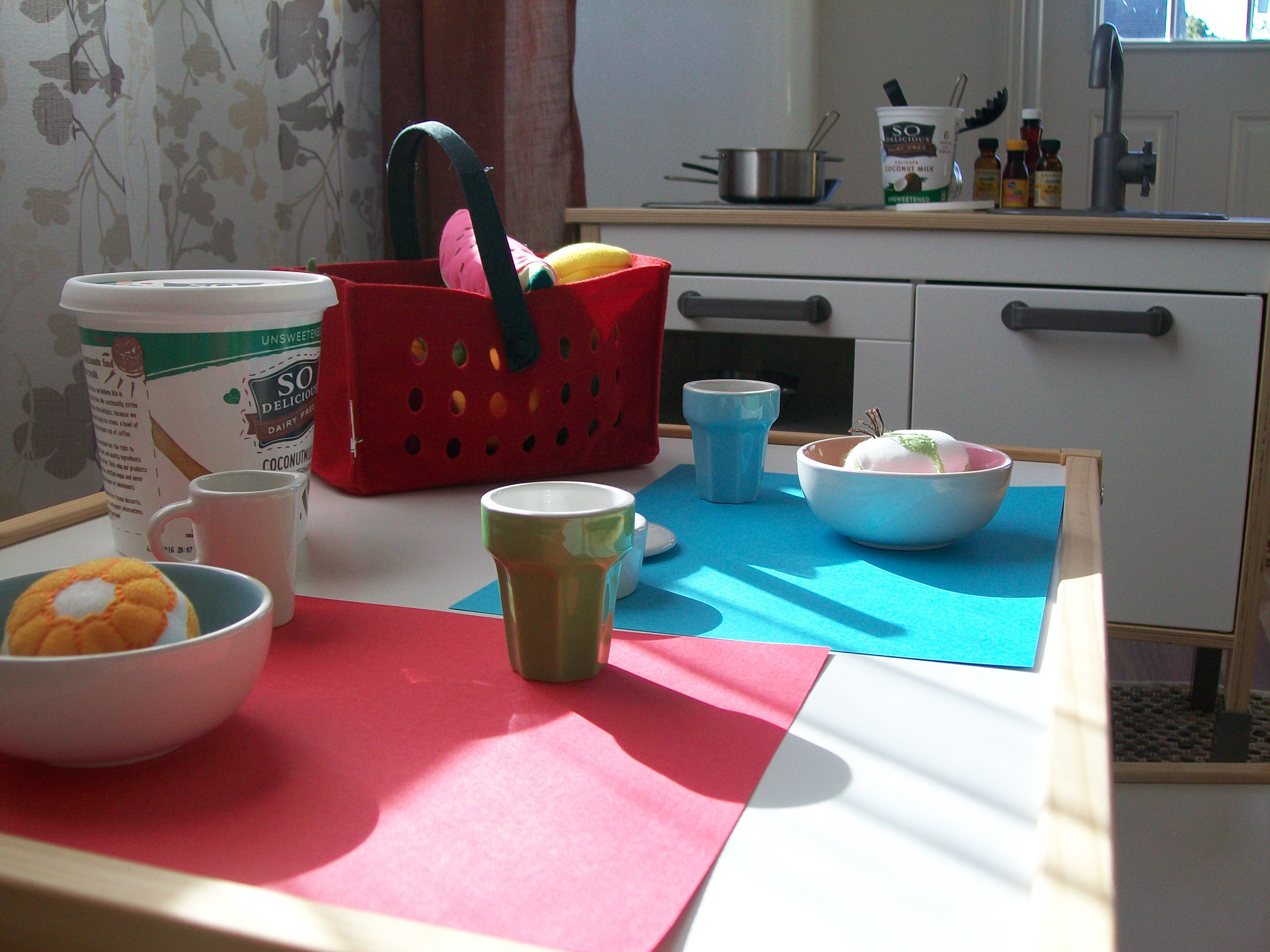 Sometimes it can be difficult to step back and allow your child to be themselves in a different environment. Parents are used to seeing how their children are with them, yet sometimes they can be a bit surprised at their child’s new found confidence and behaviors while at preschool. Please don’t be alarmed, your child is simply expressing their new found independence and engaging in several new social/ emotional opportunities. And each child is being influenced by another child and the whole group, so they are in essence trying on many different hats as they continue to grow into who they will be someday.
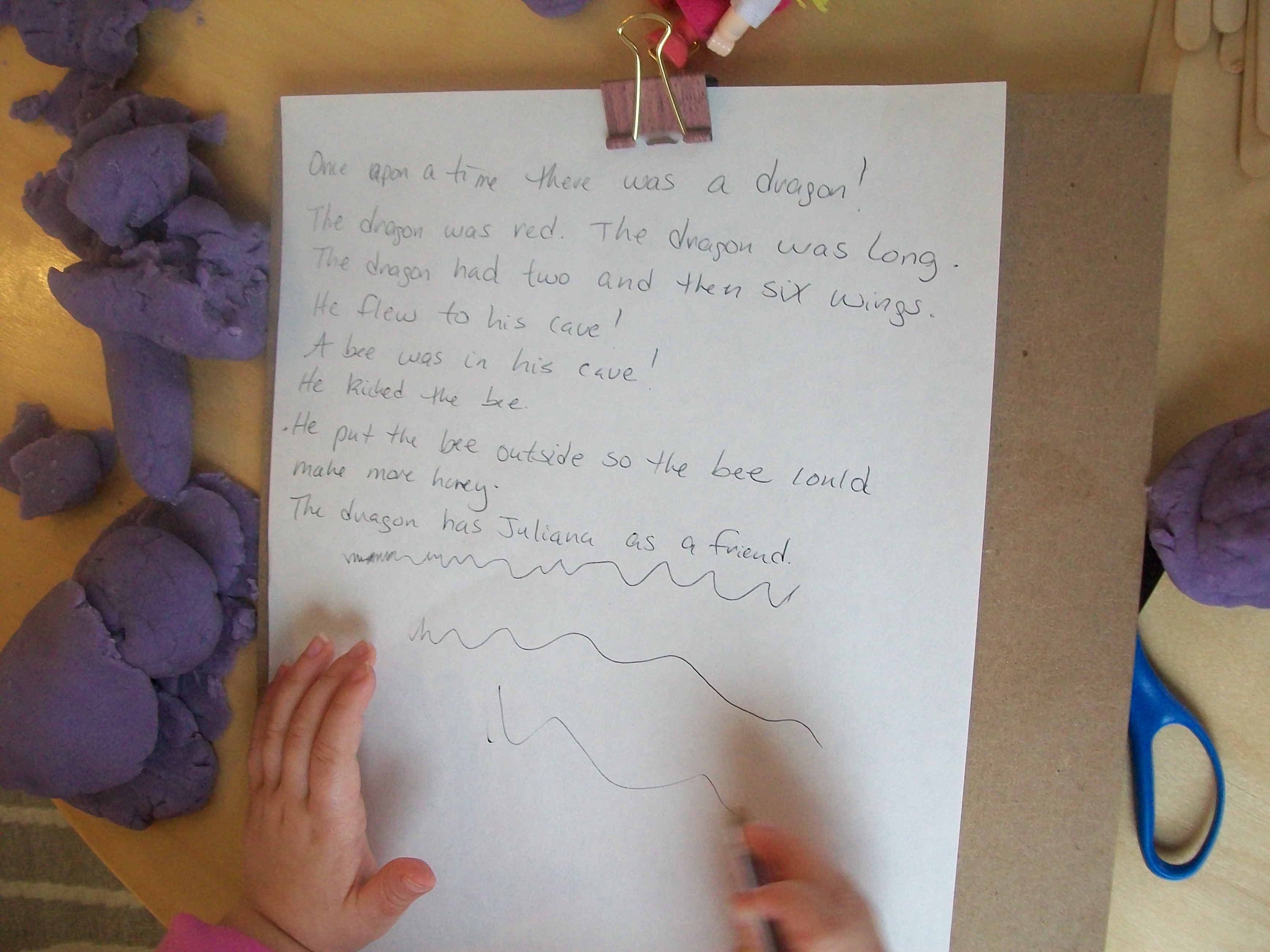 Taking into account the Reggio aspect, parents may have opportunities to take up documentation and transfer this skill to their homes. Valuing what your child learns in preschool is great, but learning never stops for children, so if you like learning different ways to document your child’s learning then being able to volunteer in a Regio inspired preschool is a double plus for you, the parents! :)
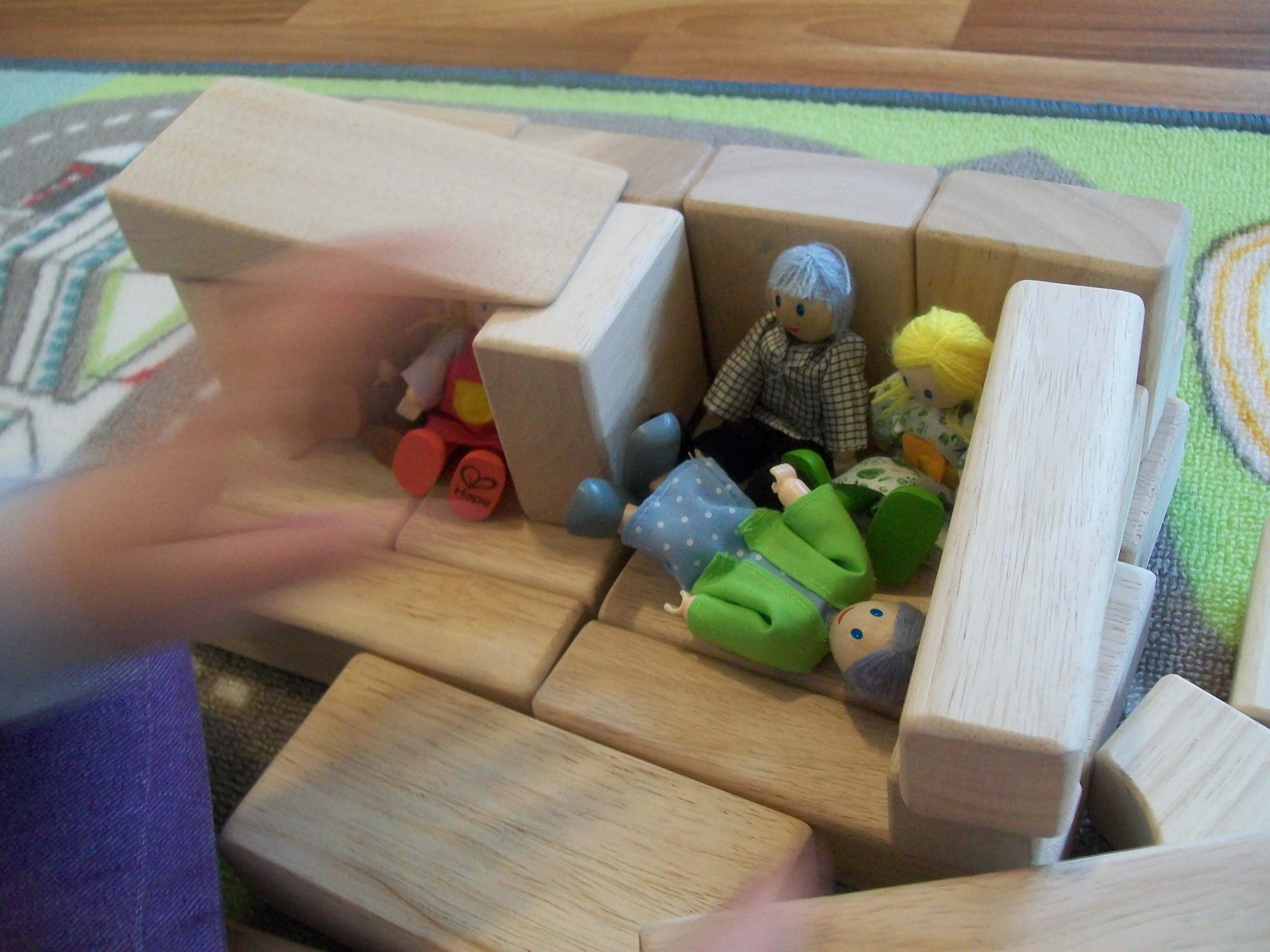 I also love the fact that with a Regio Emilia inspired classroom there can be different culminating events after children have worked hard on their own creations throughout the school year. Taking the time to schedule family events highlighting the wonderful and rich work your children construct is a great way for your child to show you what he/ she has accomplished. It is also a great way to meet other parents, plan play-dates, and yes talk to the teacher about pairing up with other parents to contribute either a special skill or talent to the school for the children. Working together and becoming a close-knit community happens when we respect the children and value what they are doing each day they play at school! Each time parents help out they are communicating how much they treasure and respect their child’s abilities. Parents also get a wonderful insight as to how their children interact with others and the types of personalities he/ she is drawn to while making friends.
 Of course, in any early learning environment, parents should be invited to come and join the class. Your talent is one that all of the children can learn from and appreciate. And don’t worry if you don’t have a “special talent” to share, just being there to assist, observe and document the learning journey your child has taken is important and meaningful.
 Share what you’ve been able to do in your child’s class! Share with us the talent you demonstrated and what the outcomes were from your experiences! :)
 Hi! :)
 If any of you follow current research as I do, then we all are aware of the fact that small class sizes benefit children the most. I love having a small preschool because my class sizes will remain small through the years. The benefits of having fewer students means, each child will get individual attention when they need it and the children will also get to know one another better. More learning can happen if the environment is designed for fewer children as well.
  I would like to discuss a little about the benefits of one on one attention during the early years. Many parents out there staying home and raising either one or two young children are encouraged to join the discussion, because I’m sure you have found many positives having time to give one on one attention. For me, I had one student last year and I really valued the opportunity because it is not often that a teacher has only one student. unless tutoring. What one on one attention meant to me as a teacher was that I could truly tailor the curriculum to this student’s needs. I got to know my student much quicker and I was able to catch on to any current interests this student was thinking of. For children who do not have much experience prior to preschool interacting with other children, a one on one can be ideal for the child as well as the parents. A small, quiet learning environment was far less intimidating than a large and noisy one. And my student benefited in all learning areas as the curriculum emerged with not only the student’s interests but as the student grew through the school year.
 As much as I value the time I spent teaching only one child, I designed my preschool for eight young and eager to learn children. Mixed-ages is my favorite way to teach because children learn so much more from each other. When children have multiple opportunities to interact with both younger and older students, the benefits have no limits. I’ve taught mixed-age preschool before and really loved how younger students glommed onto older ones and learned how to write and read quicker, became more confident in outdoor activities and generally were more alert, interested and eager to learn! I’m not saying that children in the same age classes aren’t similar in their desire to learn, it’s just a bit different. And until you experience it yourself, you’ll just have to trust me. Mixed-age classes really are the best way to go!
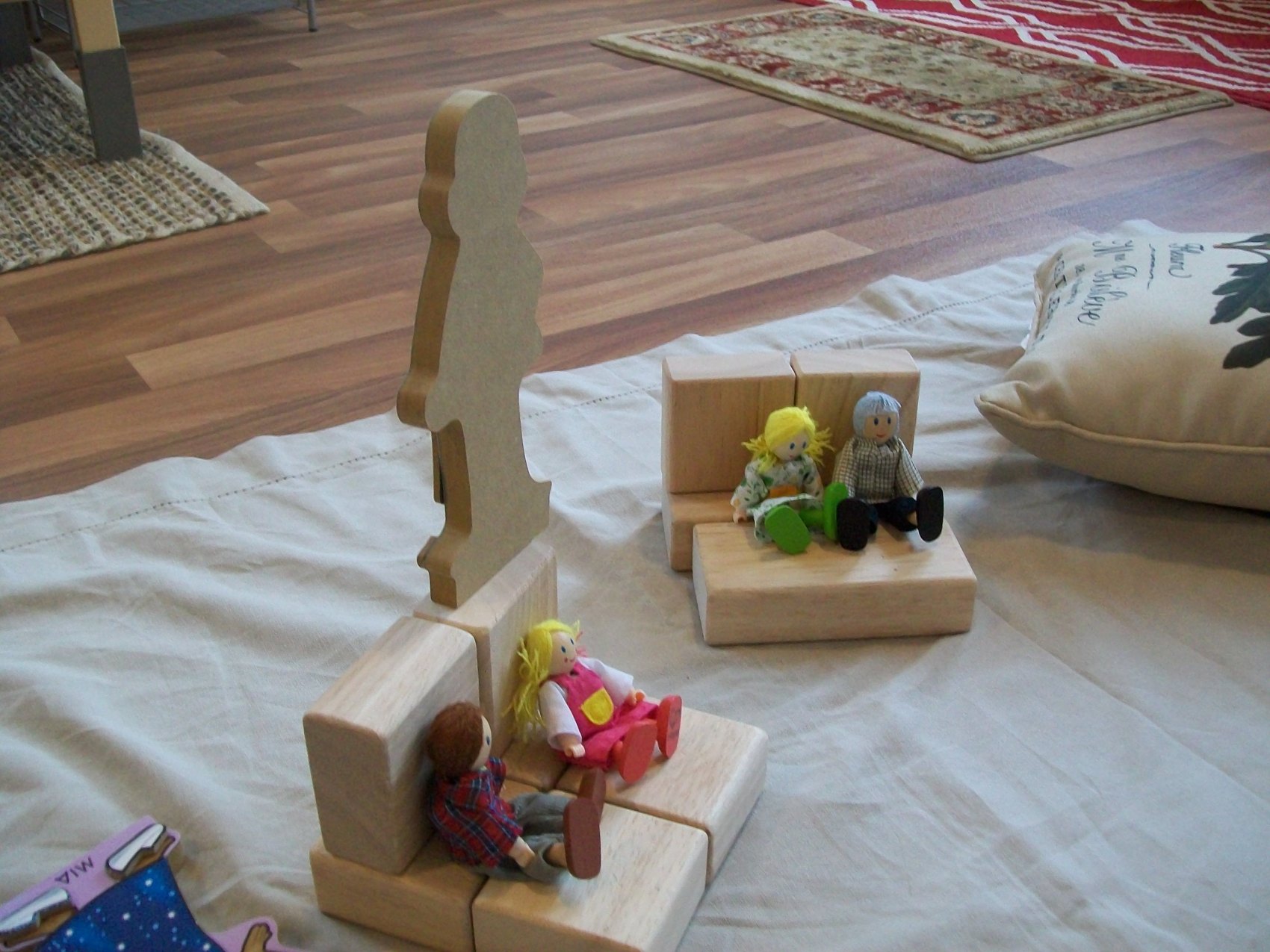 Small class sizes have a number of positive benefits for young children, and one I’d like to focus on is the time it takes to cultivate first friendships. First friendships happen in preschool, especially if the children have had no other opportunities to build prior friendships. Preschool gives children the time they need to make friends and the time they have to cultivate these friendships increases with smaller class sizes. Just think of the zillion interruptions that happen in large classes when children are right at pivotal points of discovery. Interruptions still happen quite a lot in small learning environments too, yet the children have more opportunities to go back to what they were focussed on and to continue the process of learning they embarked upon with fewer interruptions in total.
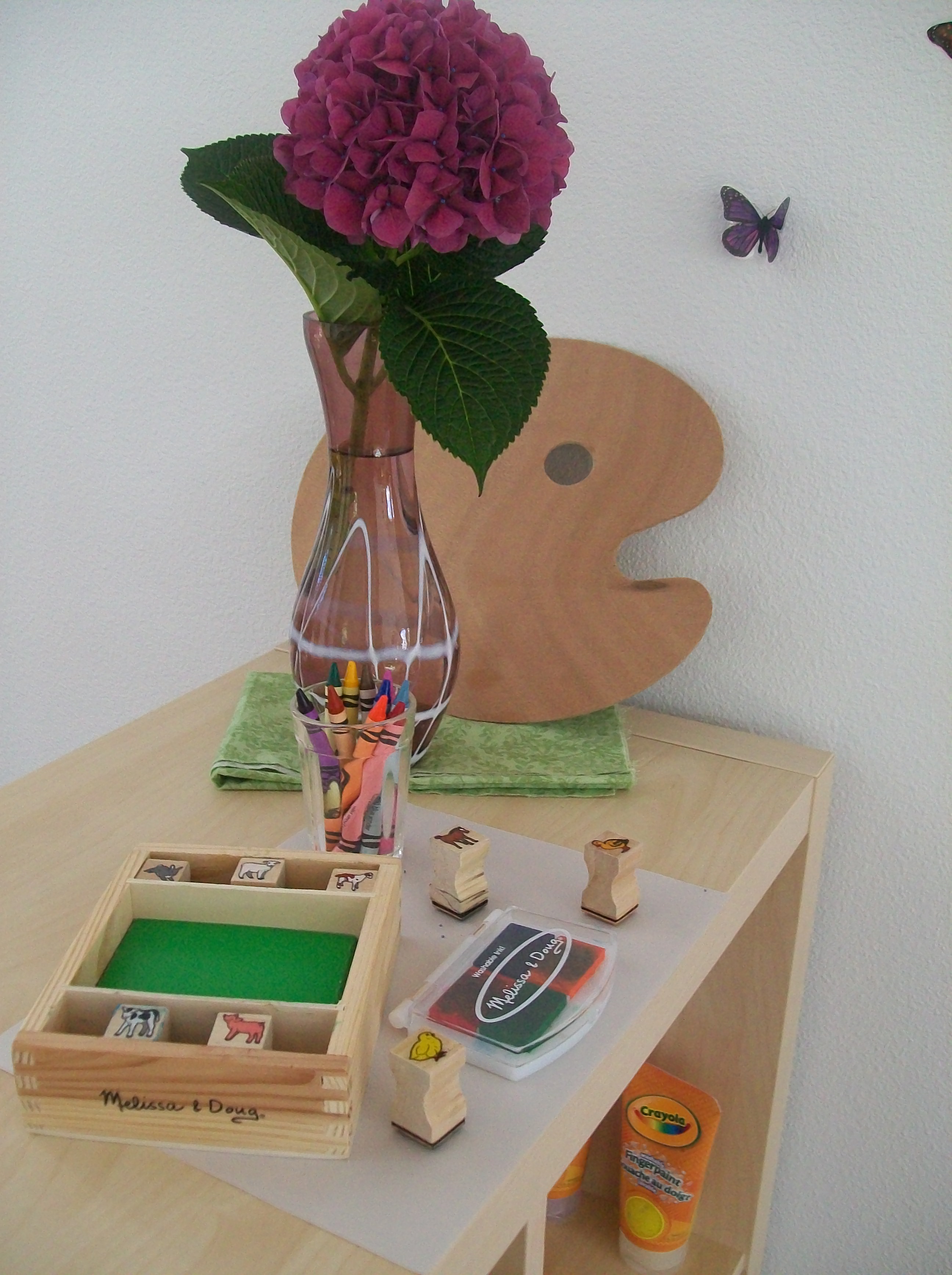 When children are enrolled in smaller early learning schools they are able to form deeper friendships during these early years and these friendships can last a life time. And even if the friendships dissipate through the years due to other factors, the children still have more time engaging in life experiences they need in order to function in larger groups as they grow older and enter elementary , middle, highschool and beyond. Any time young children are encouraged to interact with others and are placed in supportive learning environments he/ she will be better prepared for our very social world as they grow older. And older children benefit greatly with helping younger classmates learn. Older children become mentors and take on being role models for the younger children. These positive benefits have no limits as well!
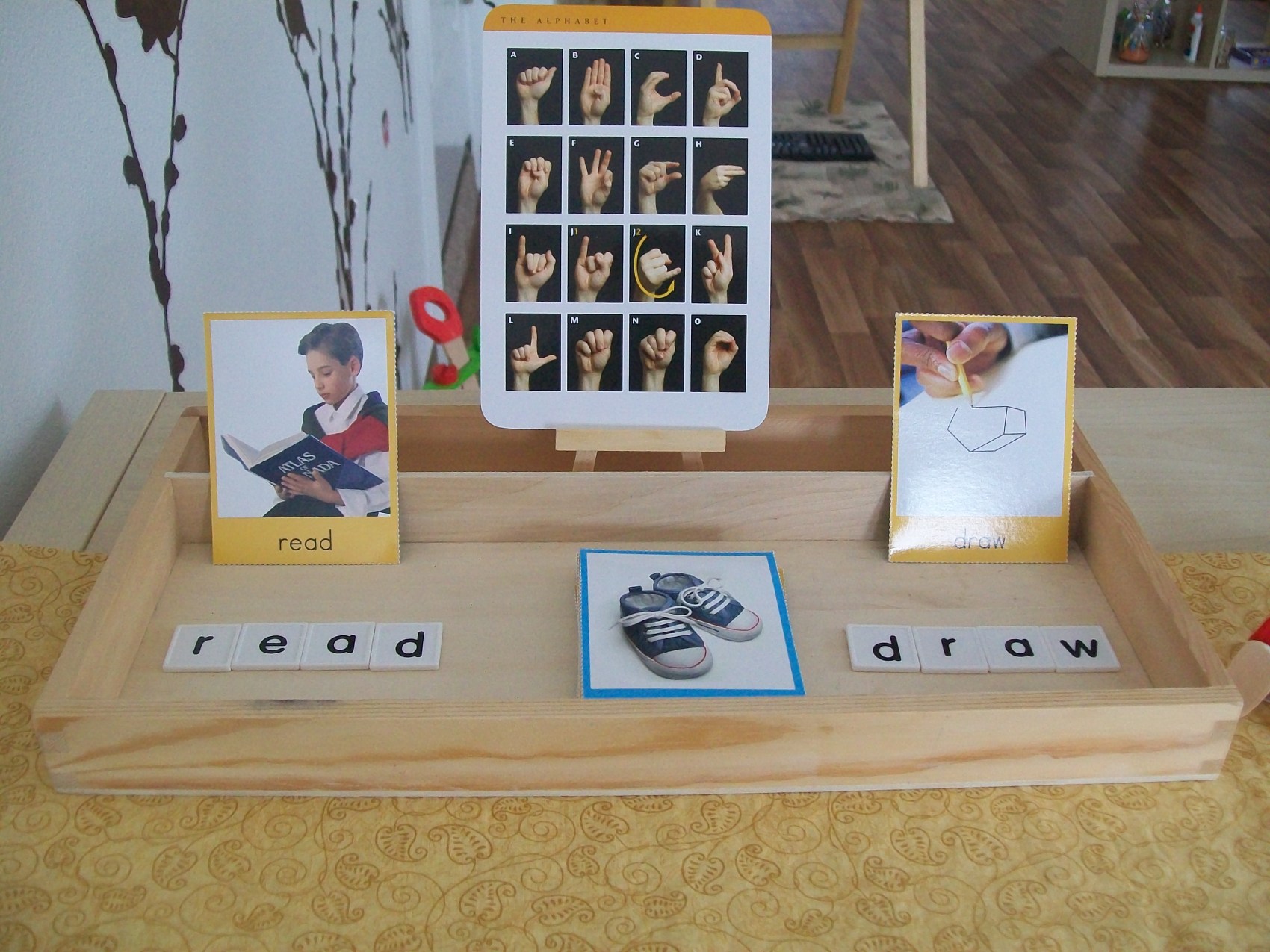 I’d like to return to the topic of individual attention for a moment. One thing that really stands out for me as a teacher is that having one student last year really pushed me to grow as a teacher once again. My role took on the form of not only teacher, mentor, support, but as a peer. I took the time to really reflect on my behavior around my student because I did not want to over influence her with my adult perceptions. I wanted her to learn and I wanted to learn from her. She had a special skill that I really admired. My student came from a family that used American Sign Language, so she was able to teach me some words even though she was a hearing person. Her comfort level with signing was natural because she had been communicating in this way her whole life. I also saw how proud she was to have this knowledge and be able to teach me, her teacher.
  The most ideal situations are ones in which children interact with a group of peers. However, sometimes our youngest members of society need some firm first steps prior to their introduction to larger group settings. And that is perfectly fine! My student from last year needed time to adjust to this new thing called, school. She needed time to feel free to explore, question, construct and gain new knowledge without being intimidated or stifled. If you too have experienced having only one student for a time, you may be able to relate. Once children experience this firm first step, they are able to move onto larger groups with much more confidence and are very successful. There is nothing wrong in being sensitive to your child’s needs and recognizing the importance of taking your time figuring out what best works for your child. Just because friends or family put their children into large groups doesn’t necessarily mean that your child should follow the exact same path. And it doesn’t mean anything is wrong developmentally or cognitively with your child. It just means that you value and respect your child as an individual and you know what works best for him/ her. Preschool is the first school experience your child will most likely experience, so keeping in tune with what type of environment they need as their first step is just as important as any other aspect of learning.
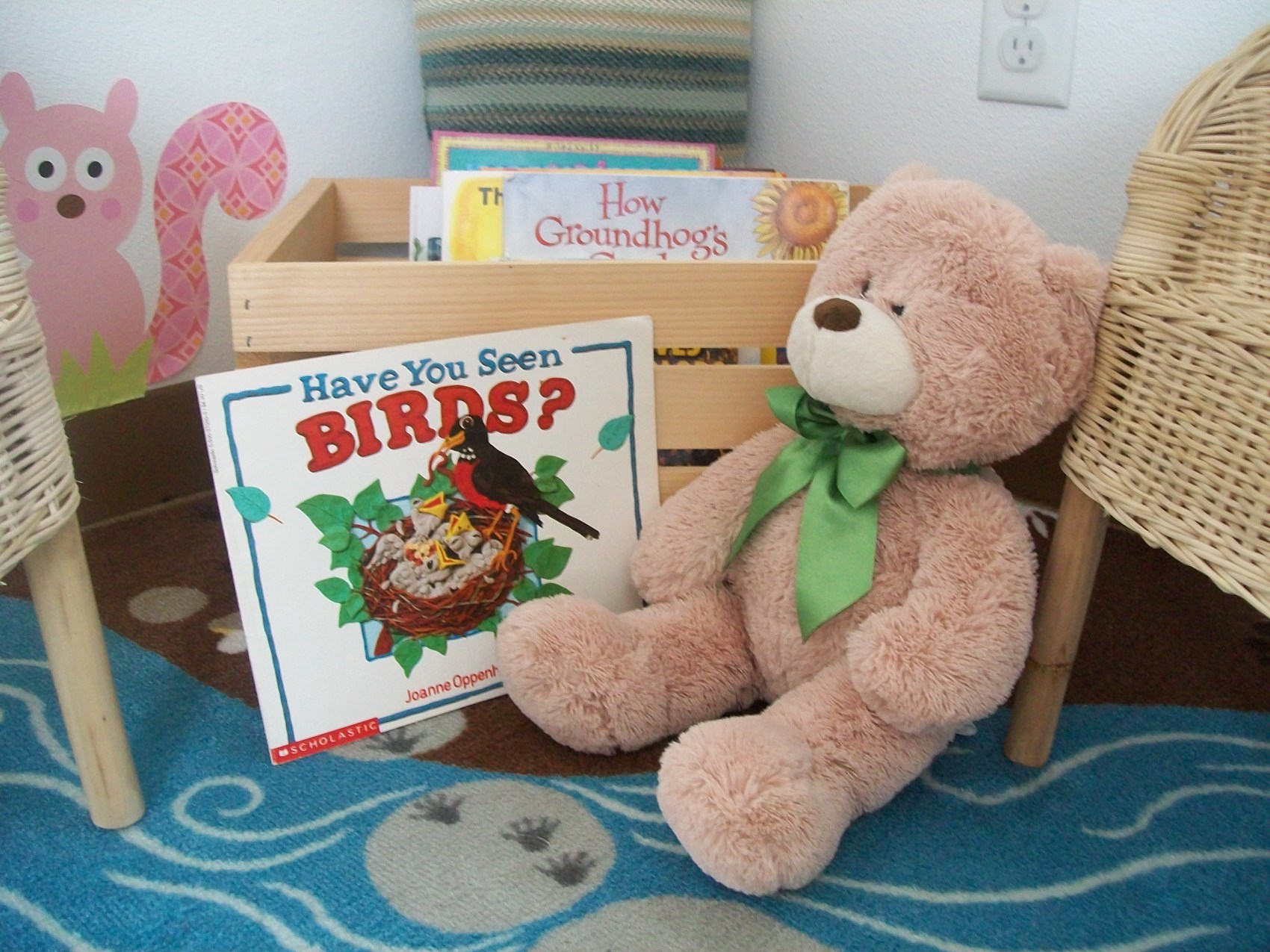 A good reminder to all of us is that throughout our lifetime we all will be either learning or working in both large and small environments. The size of the groups we interact with constantly change. So don’t worry if your child starts out in super small class sizes. They will experience larger groups throughout their lives as you and I have. The most important thing to remember and keep close is that social/ emotional development happens the moment young children start interacting with their small universe. You, their family, friends, strangers, are all a part of how each child develops and preschool is a vital part of this important growing and learning journey. Stand up for your child and value who they are. You’ll know where their first steps should be when you are in tune with their needs as only a parent can be.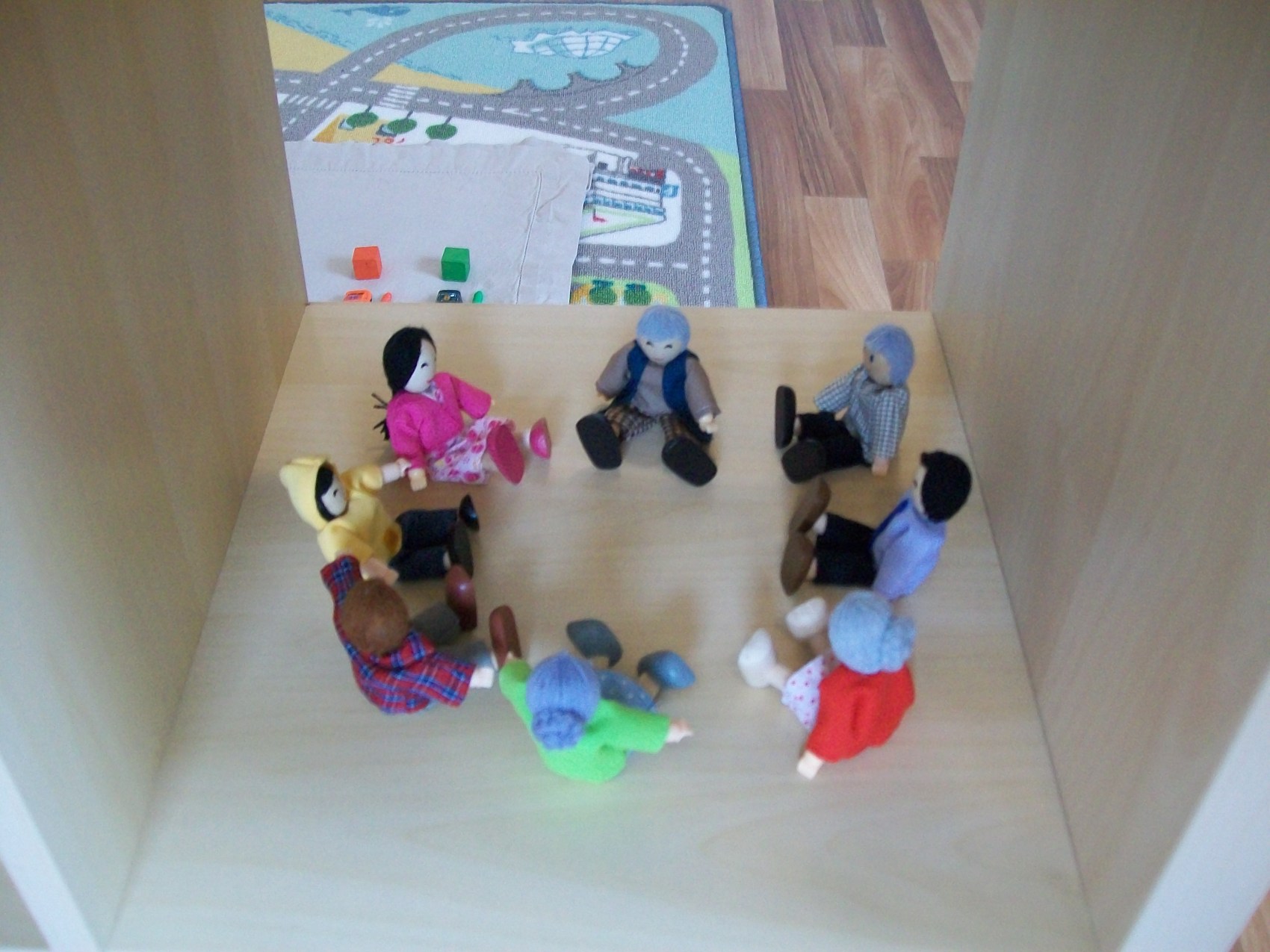
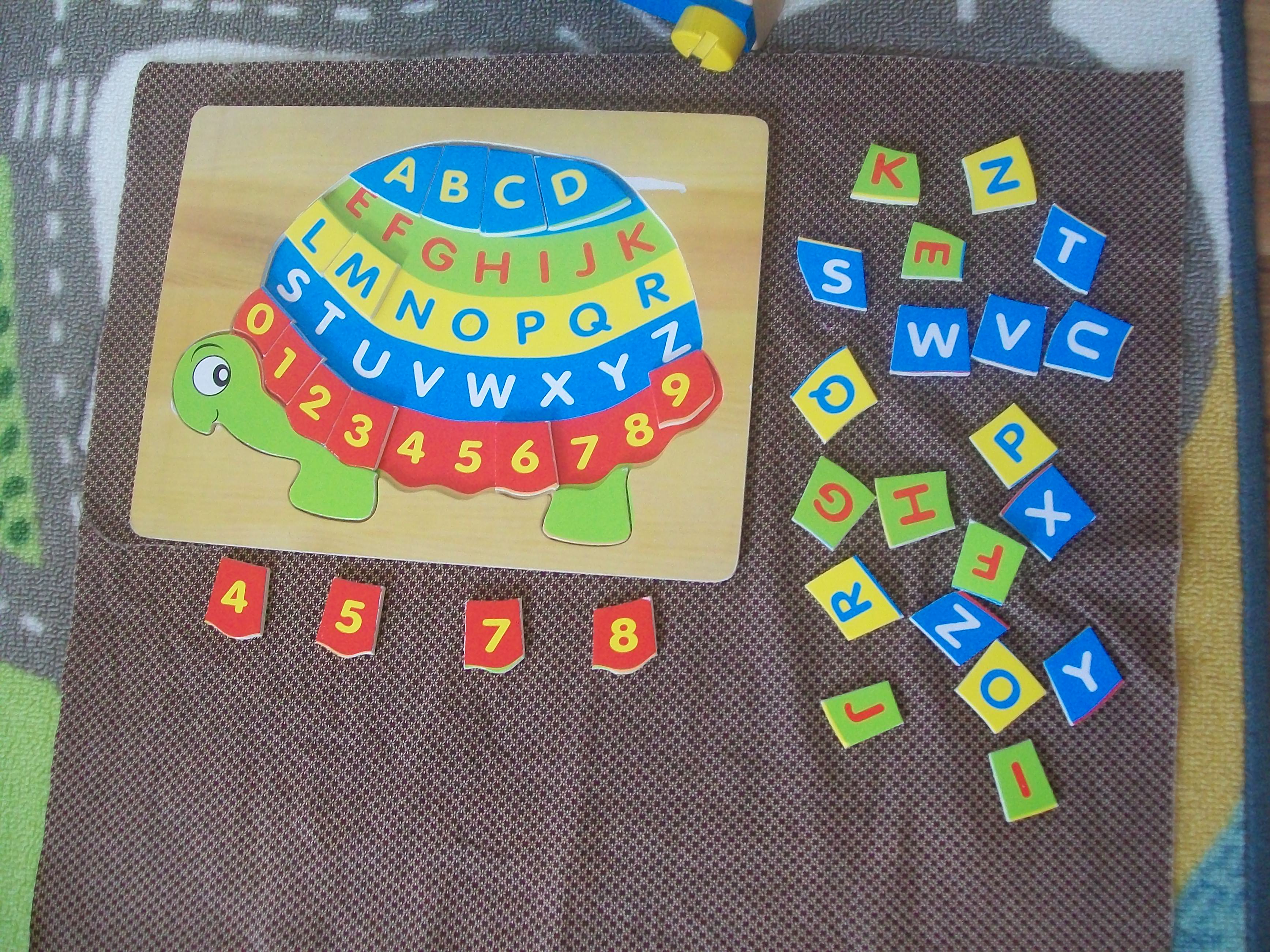
 As you can see from both traditional and progressive, there are major differences. Since these have been my experiences through the years I do expect to meet others through this medium who have similar experiences to mine. And I also expect to meet people that have gone through very different experiences. Obviously, you can tell I prefer progressive to traditional.
  Please take some time and really reflect on the differences I have posted here and what you have experienced as an early learning teacher or parent with children going through our educational systems. Please share your experiences and like this posting and share with others so more people have an opportunity to join in the conversations! :)
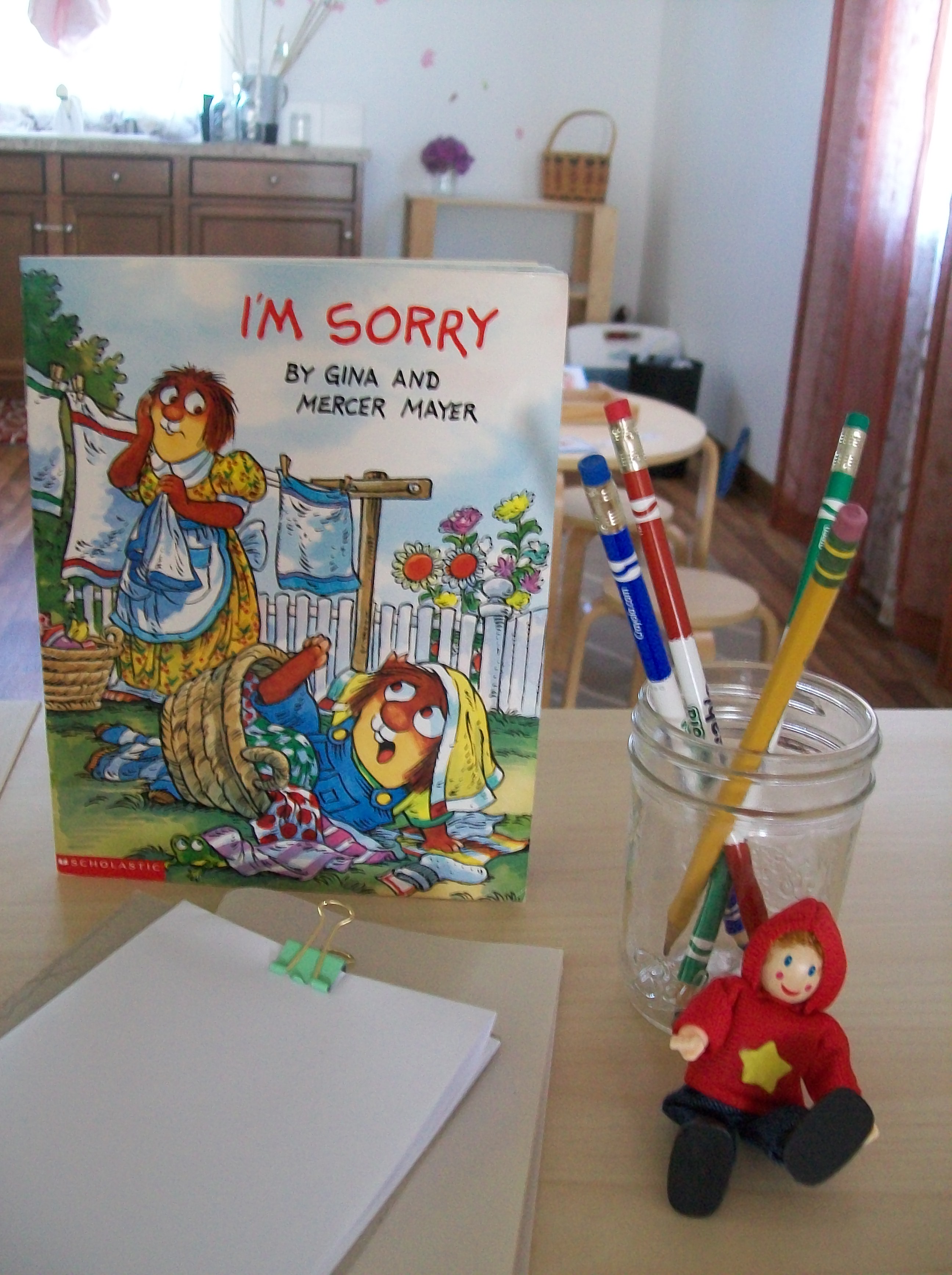
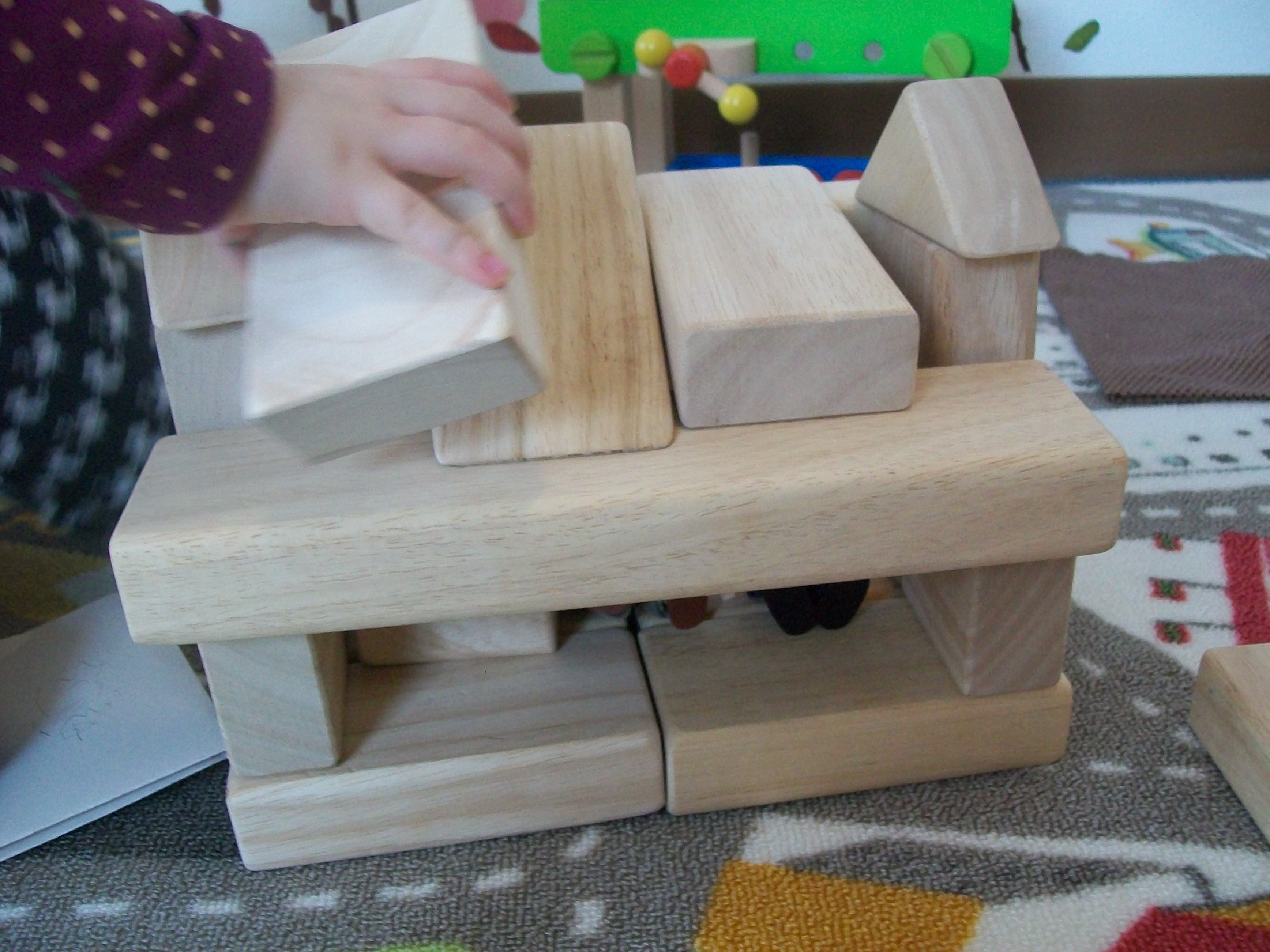
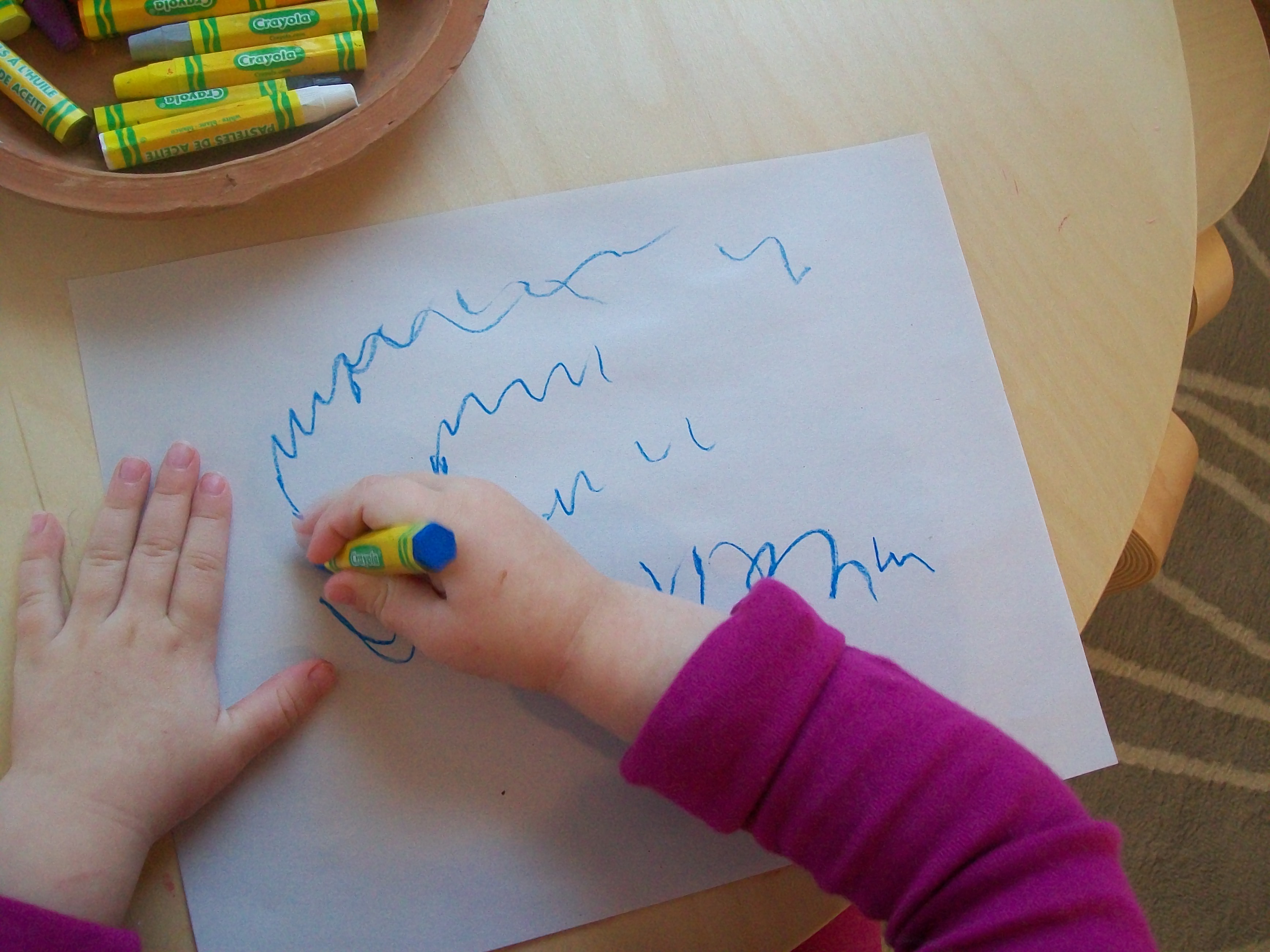
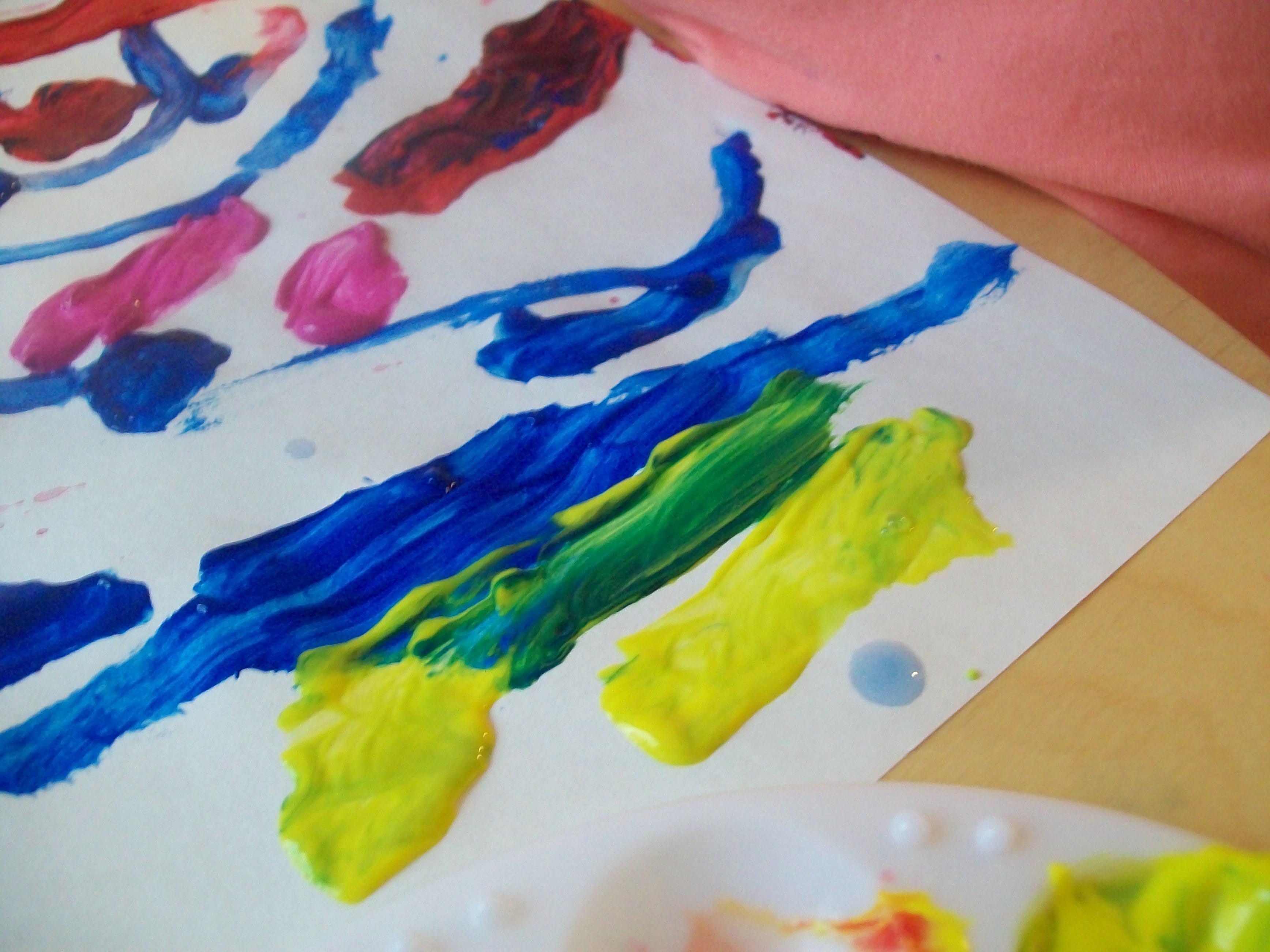
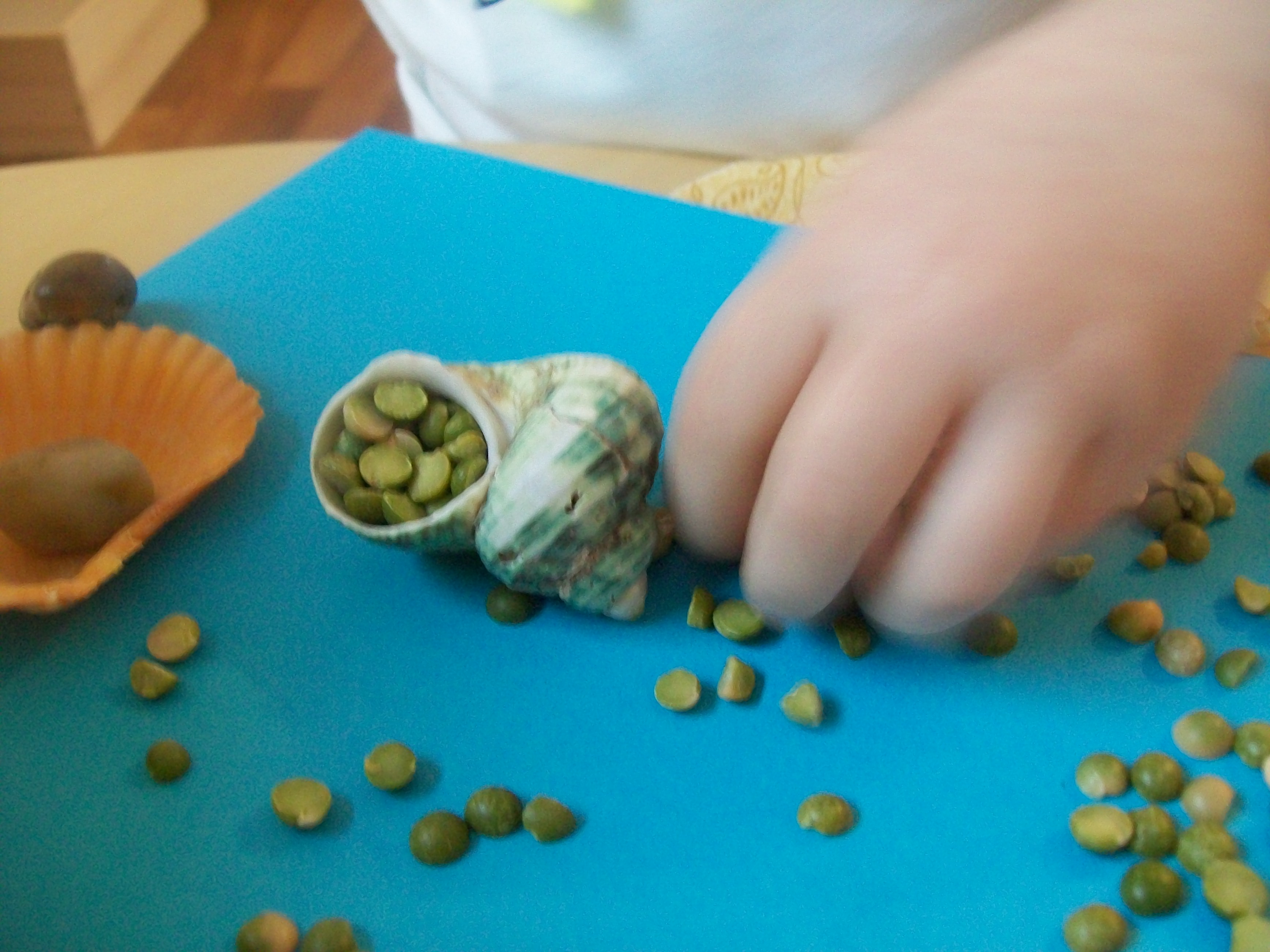
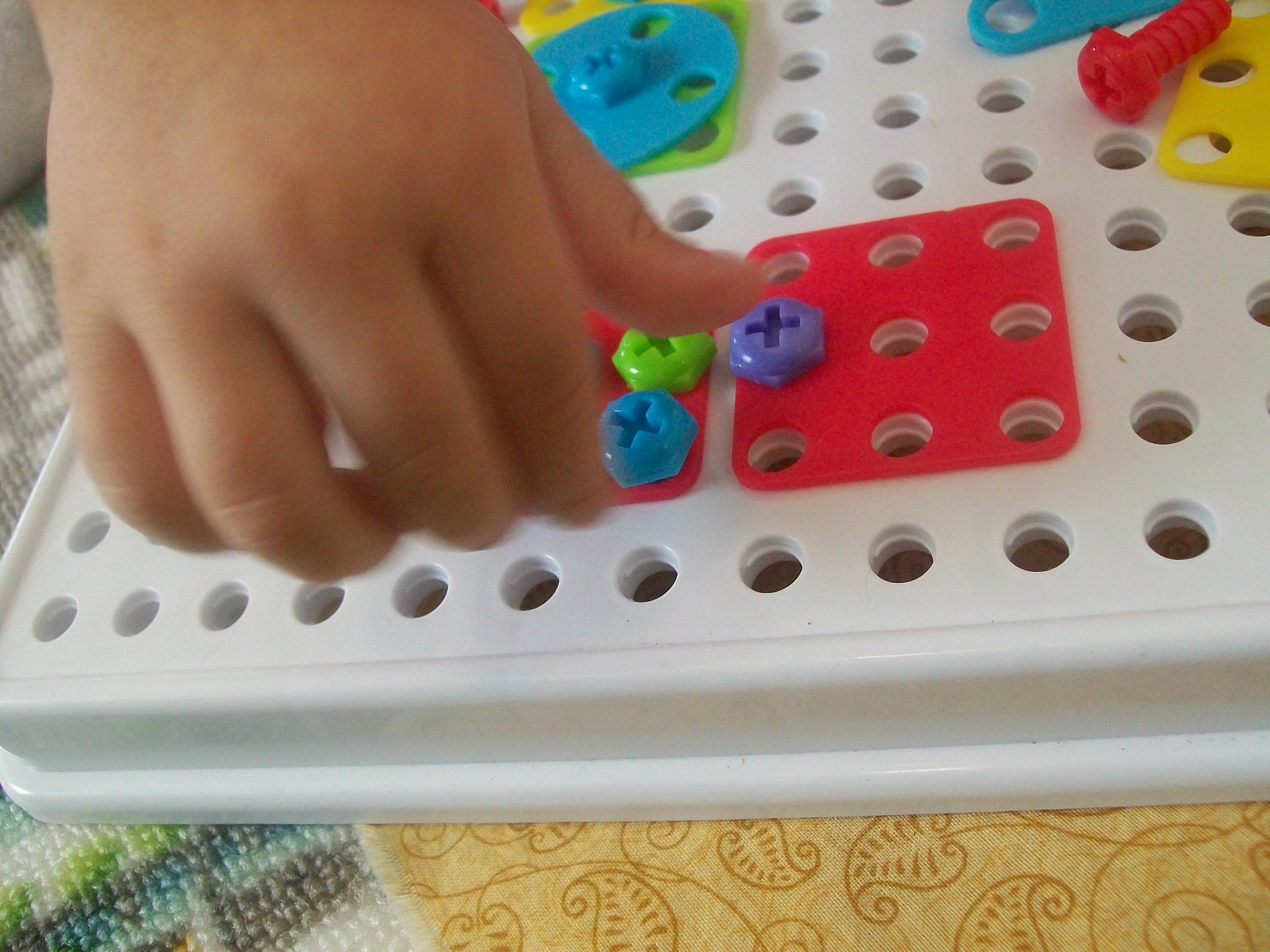
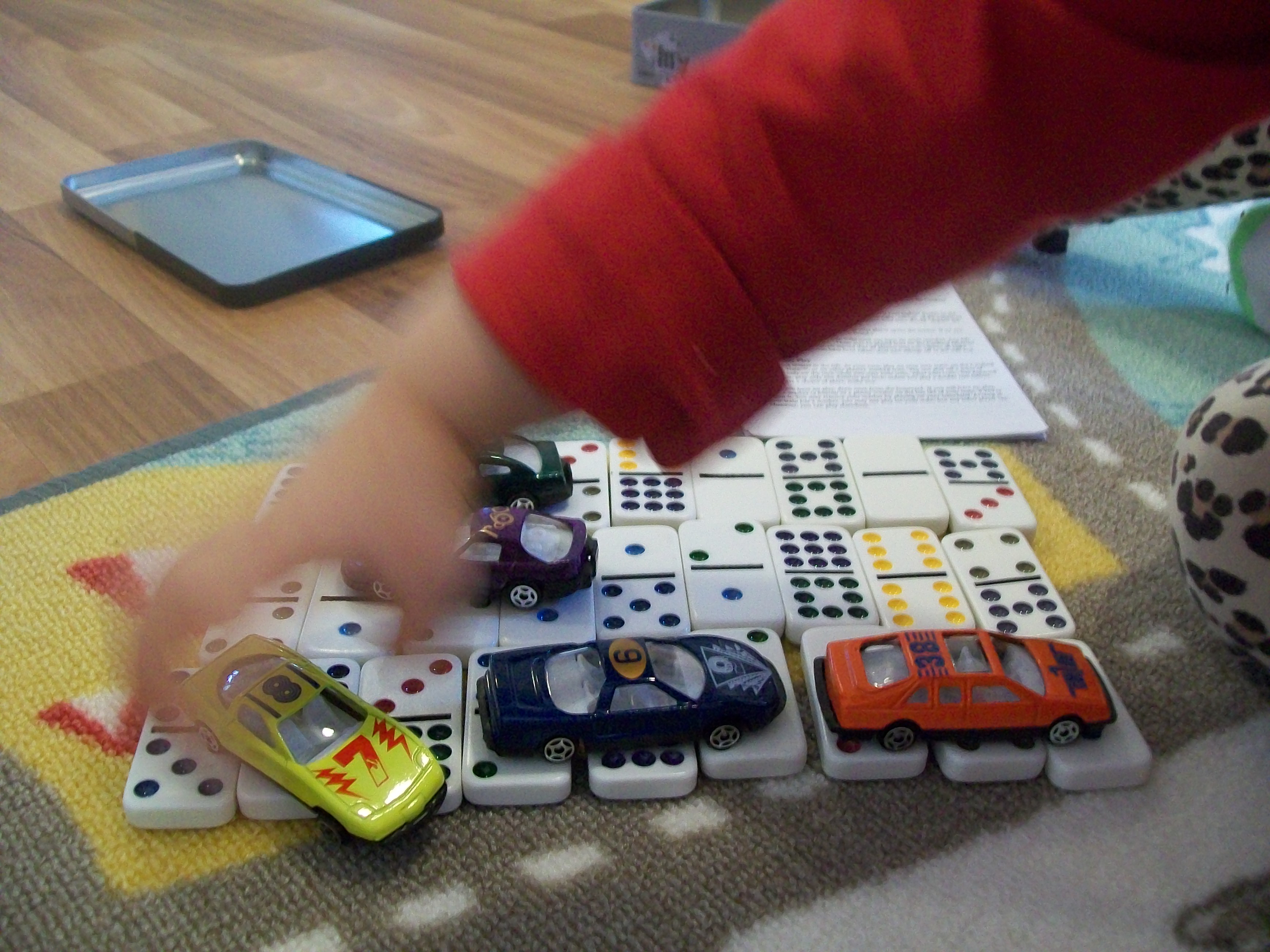

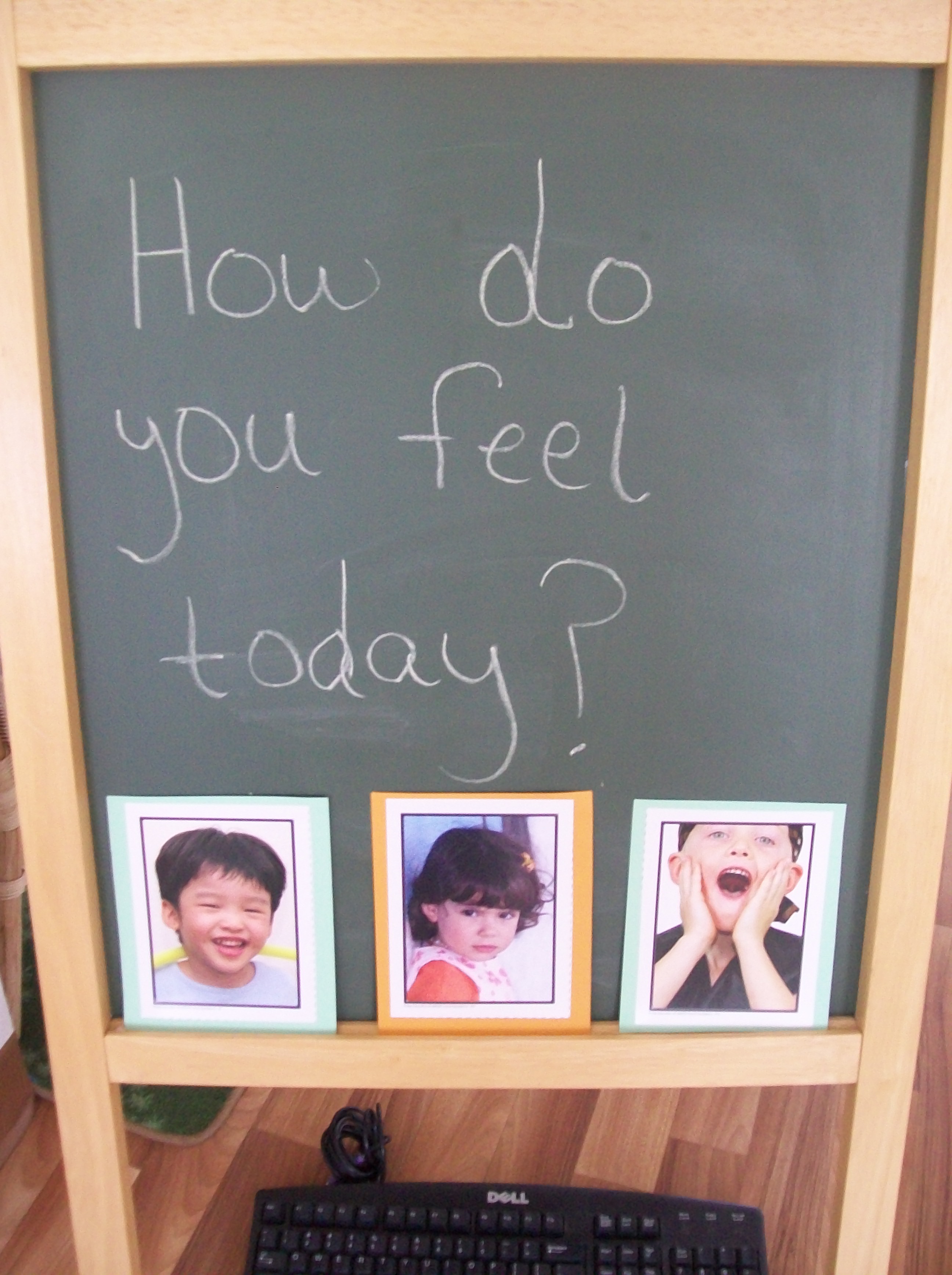
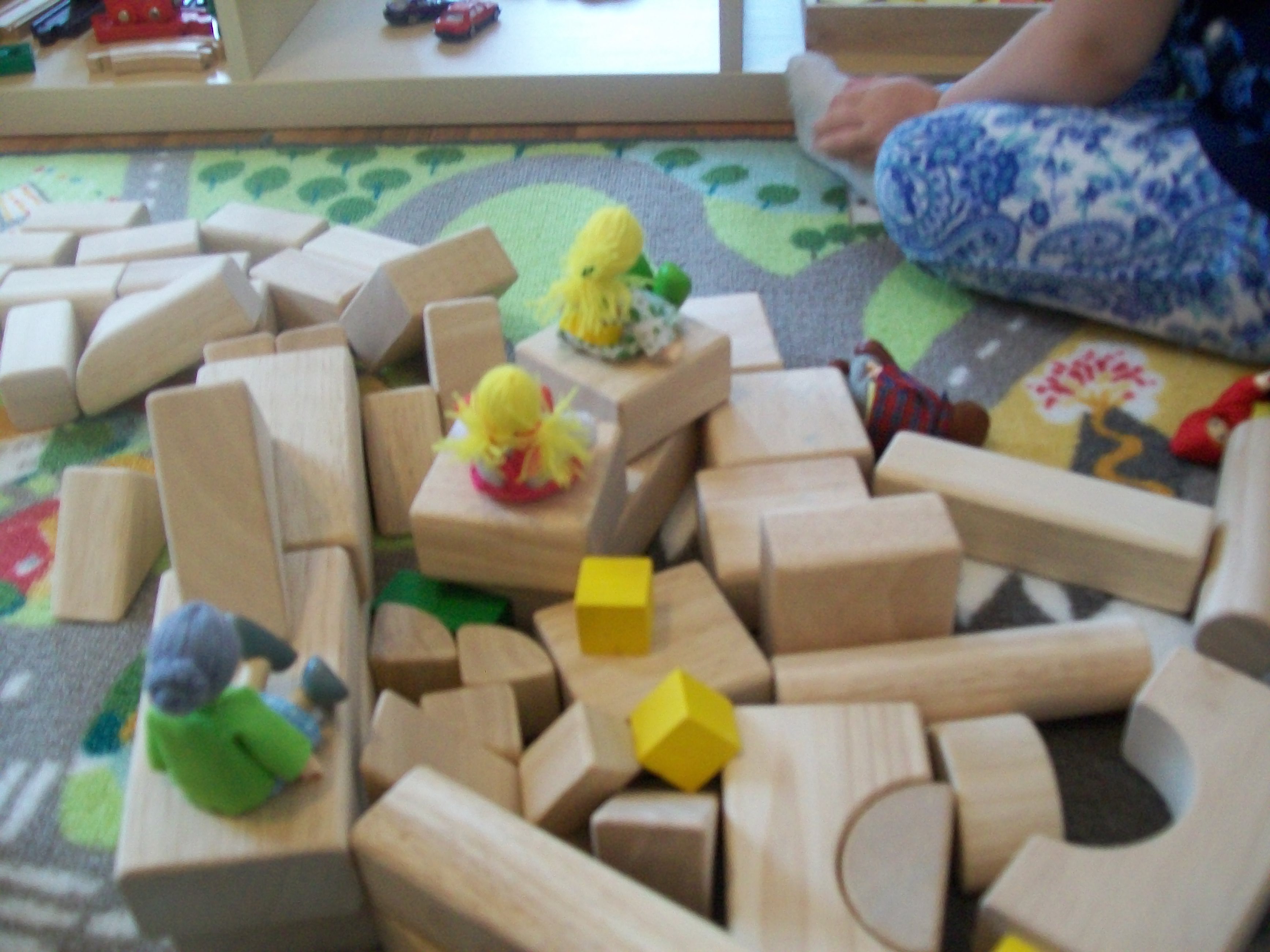


 Today’s discussion will revolve around the classroom as a “third teacher”. Having a preschool that is inspired by the Reggio Emilia approach to education, I have reflected and enjoyed the many years of learning how the classroom is like a third teacher. If any of you have ideas, thoughts, and experiences around this topic please join in the discussion! :) Also keep in mind that large spaces and small spaces will have some things in common, yet many other things that are not common.
 Obviously as a teacher I was trained and have years of experience setting up classrooms and using those spaces to support learning. However, it wasn’t until I started learning more about the Reggio Emilia approach that I really took a good hard look at the teaching spaces both students and myself occupied. Once I really observed and set about reorganizing and shifting these spaces I was able to understand how the classroom itself could be another teacher supporting the learning of children. Trial and error is the best way to put it really. I spent a lot of time moving furniture and creating spaces for the children to engage in. After seeing the children function in those areas I would know what to keep the same or change. You’re
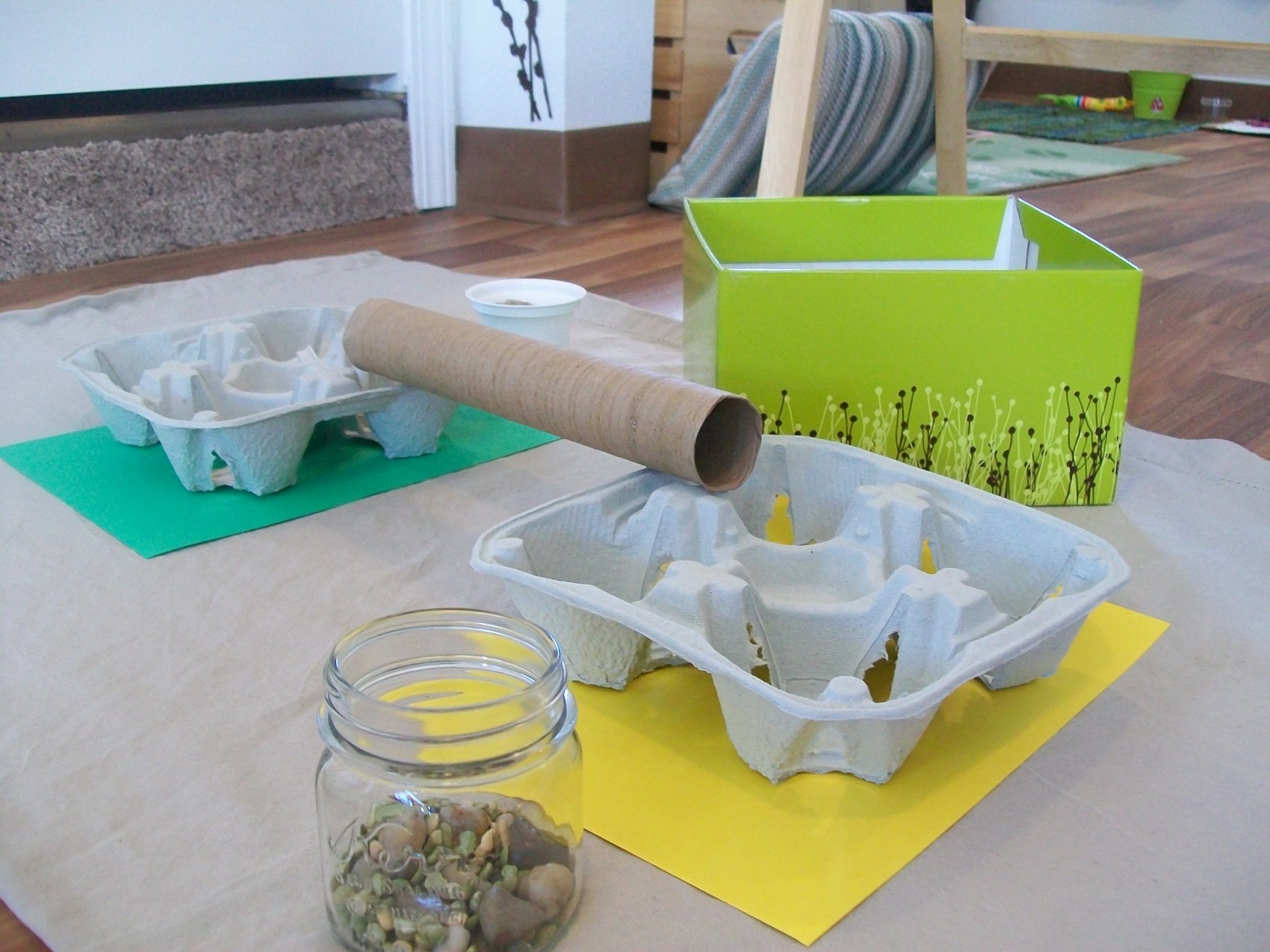
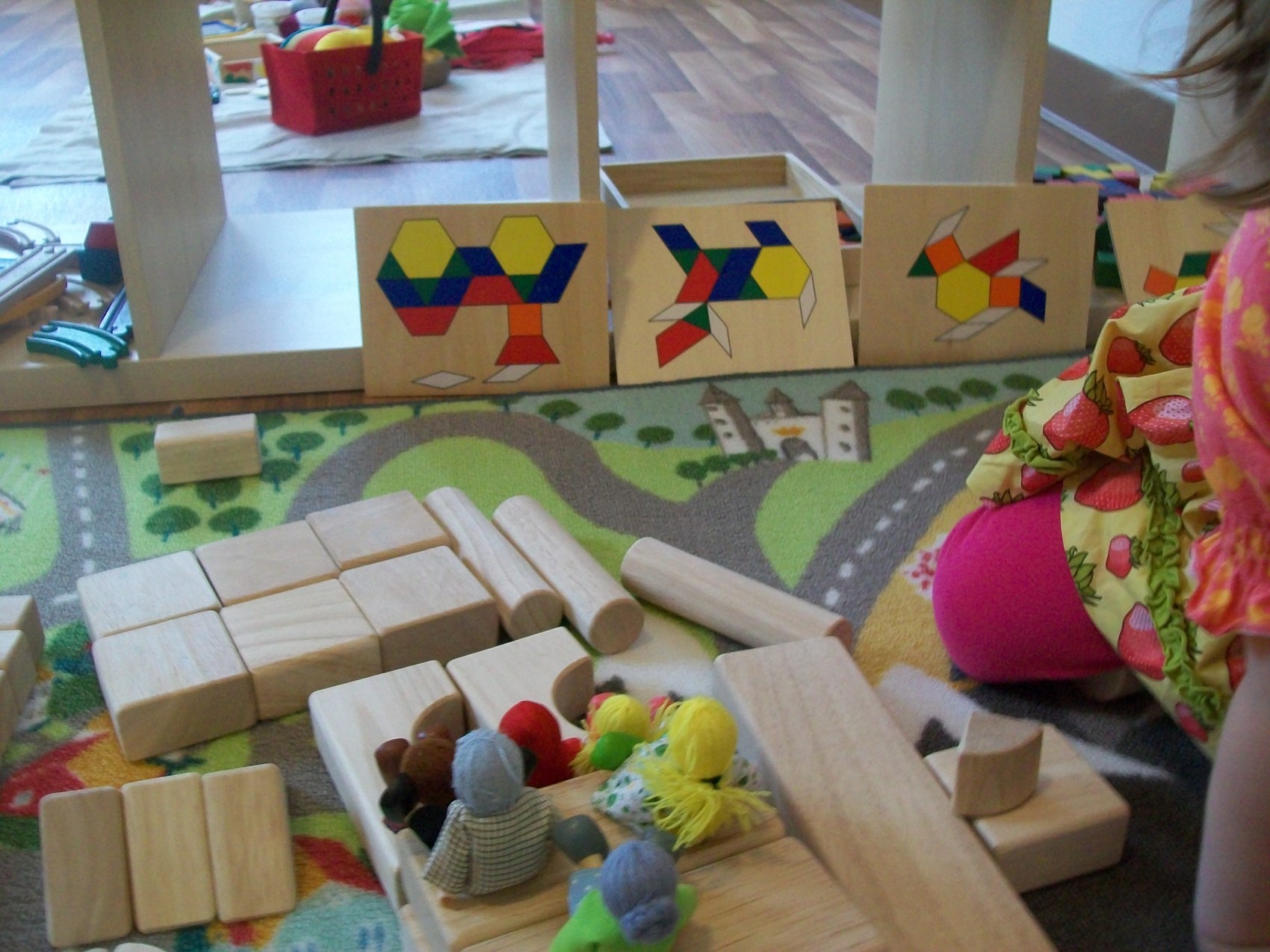
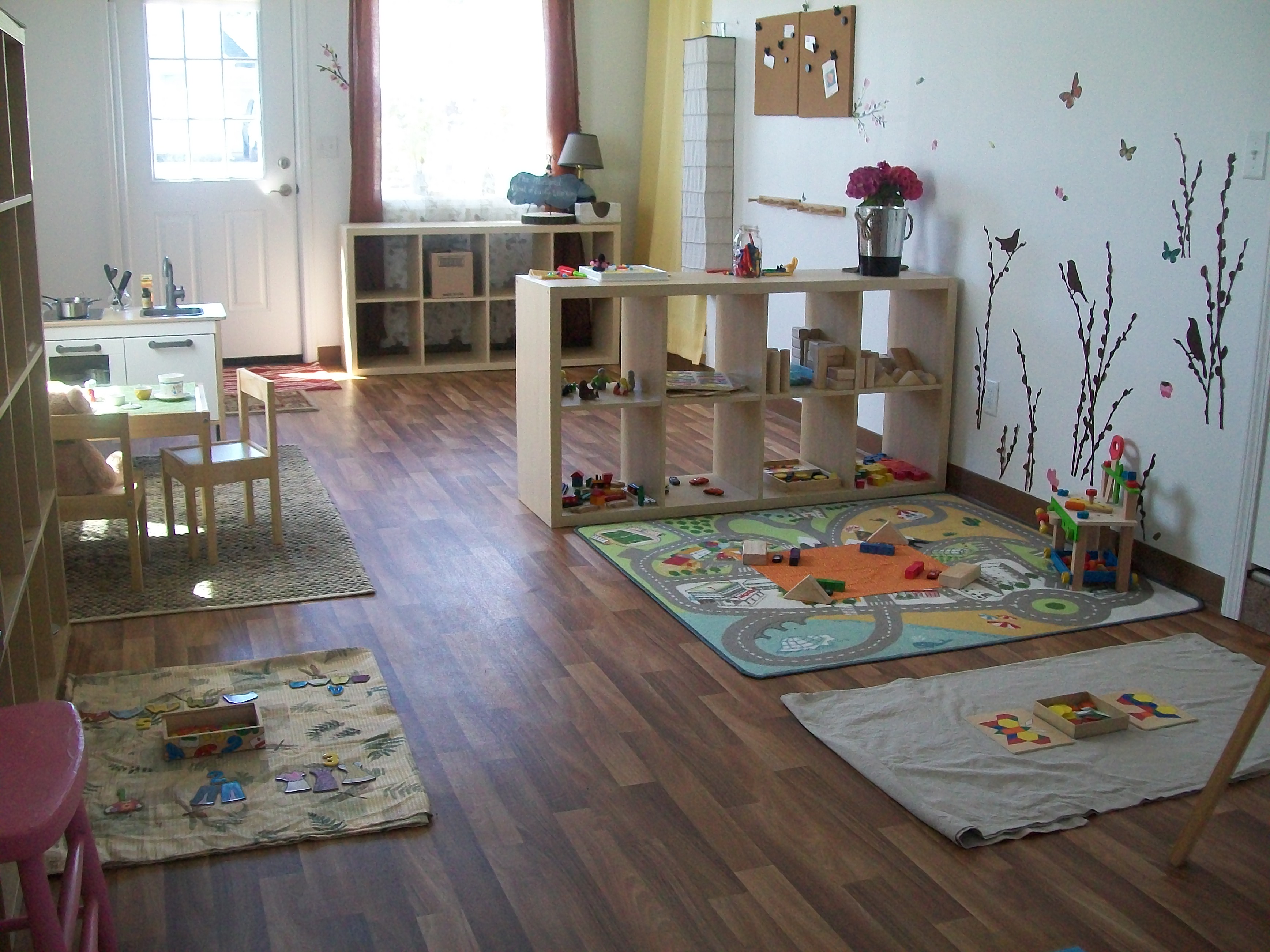 Creating my own preschool has allowed me to put to practice what I’ve been developing in my mind all these years. I am happy that my classroom will change with each group of children that comes through. My environment is a “third teacher” because I love putting the children’s learning needs ahead of my own desire for how the room should be. I change or keep things the same based on the patterns of play. If the room is not being fully used I change the provocations, move some of the materials to different interest areas and of course keep things the same for spaces that have been working for the children. Fortunately, the materials are very clear to see and easily accessible for children to find and use, so the classroom does get used in its entirety.
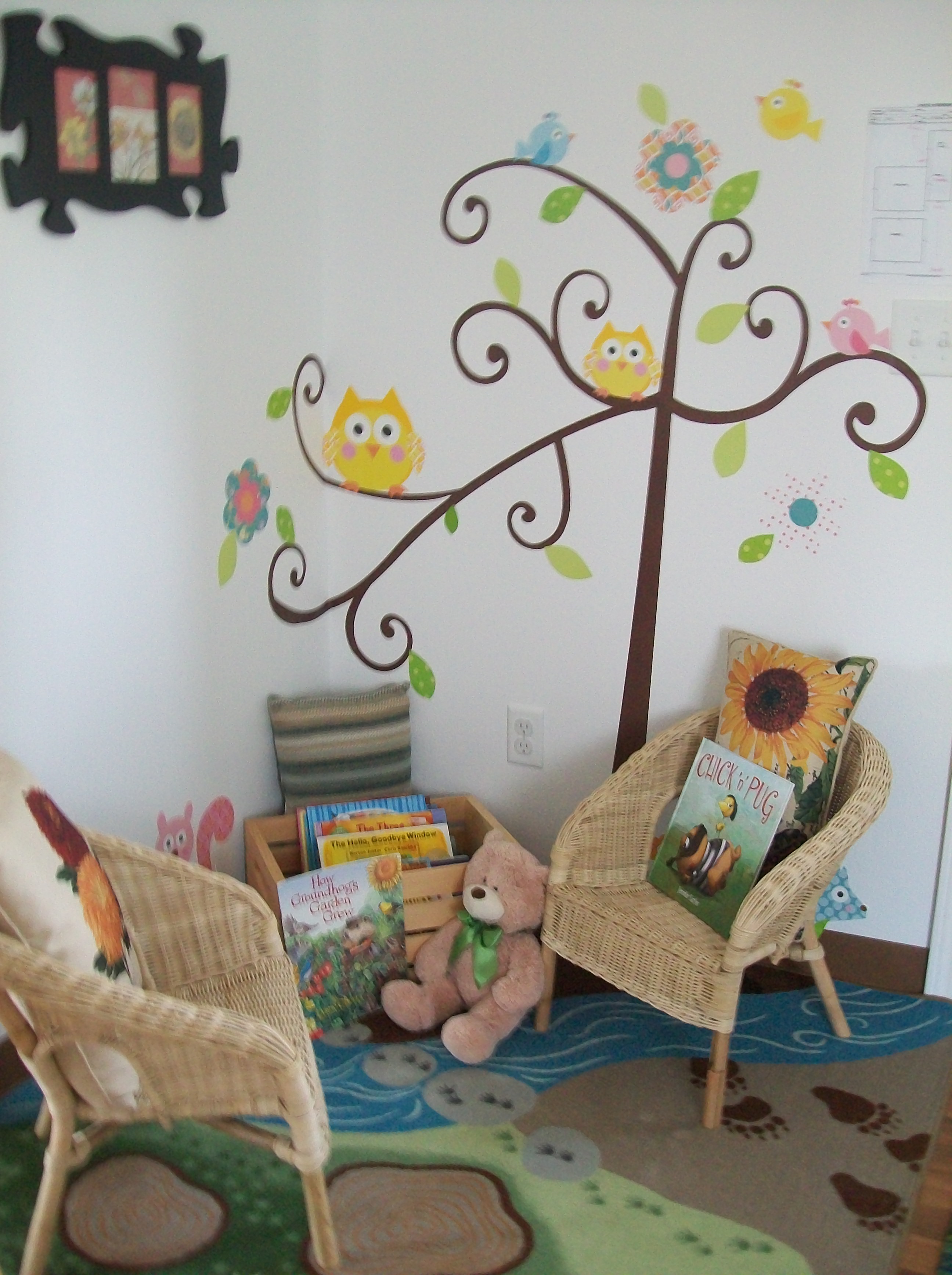
 Another aspect of the classroom being a third teacher falls under the category of too many materials and wall decor contributing to overstimulation, while less is not as overwhelming and more conducive to learning. I have found that children do much better in clean, well organized, and aesthetically pleasing environments than they do in clutter-filled rooms with way too many materials and wall decor. So I’ve made sure to keep the materials that are out and available to children at a minimal so that they do not get as overwhelmed as they normally would in a more traditional program with bright primary colors everywhere. (I don’t know about you, but when I go outdoors, shopping or am at home, I am not bombarded with primary colors in all directions like most traditional preschools and elementary schools.)
 Keep in mind that when young children come to school for the first time or change school environments the entire process can be very overwhelming for young minds. It does take a couple of weeks for some personalities to adjust to any learning environment. The first thought most of us teachers have when we see a child overwhelmed and not able to choose a space and engage in that area for long enough to actually go through the inquiry and investigation process, is to guide that child and in essence tell them where they should explore first, second and so on. Basically, control how they assimilate the new information they have been hit with. Yet that would be awful for that child because that child needs time to explore in the only way a young developing mind can. Young children are not adults and they operate differently than we do. They have energy!! They have the capacity to assimilate quite a bit of information by moving quickly through new spaces and trying out everything they want. It is through this process that they are able to learn how to plan, make decisions, question, explore and engage in projects and interact with peers. A young child’s mind needs a couple of weeks of consistent class time to allow their brain to transform from the assimilation of new information. Once the child has been through this haphazard approach he/ she is able to slow themselves and become more engrossed in the areas of interst each choses. So we can gain a lot from each other!
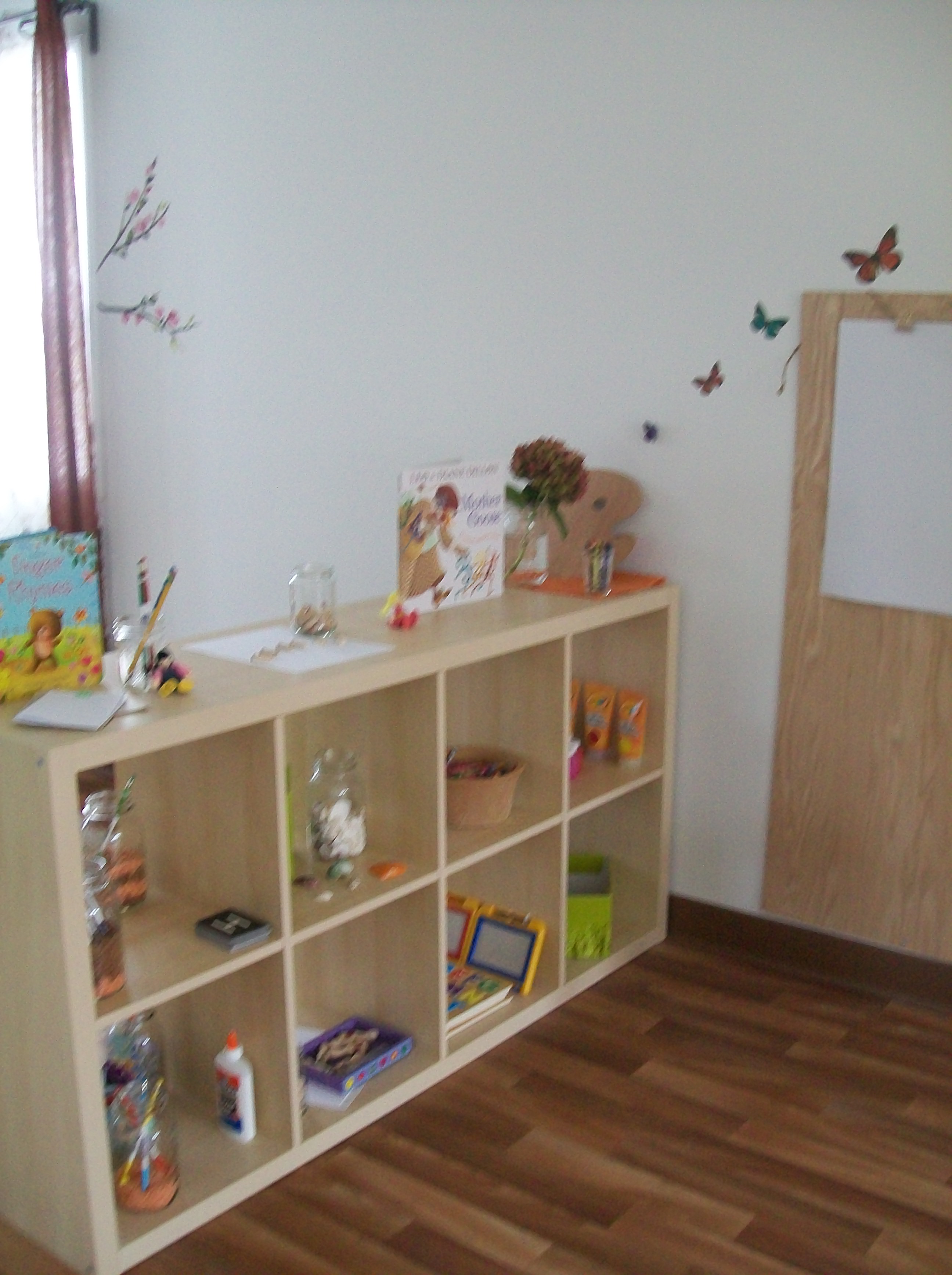 The environment as a third teacher is very helpful when children are becoming accustomed to new situations. As I’ve observed children in the beginning phase of taking in this new space, I have been able to gain information about those children’s interests, believe it or not, so I can set up provocations the next day that may entice each to spend a little more time in certain areas than they would have during this period of time in which they were acquiring new knowledge. Last school year I had a little student become super energized and excited to explore every inch of the classroom, but once this child gained all the knowledge from rapid explorations she settled right into planning the areas she enjoyed engaging in first , second and so forth. And as a teacher inspired by the Reggio Emilia process, I was so happy to learn from her as she went through this journey. I have observed many other children during this assimilation phase being treated as though they have either a learning disability or behavioral issue. And that makes me so frustrated because this phase is normal development and most of the human population actually did go through this either at home, a friends house, at school and most definitely if they moved to a new city. The duration in which children go through this phase of rapid and haphazard assimilation is different for each child, but please know this is absolutely normal and perfectly okay!
 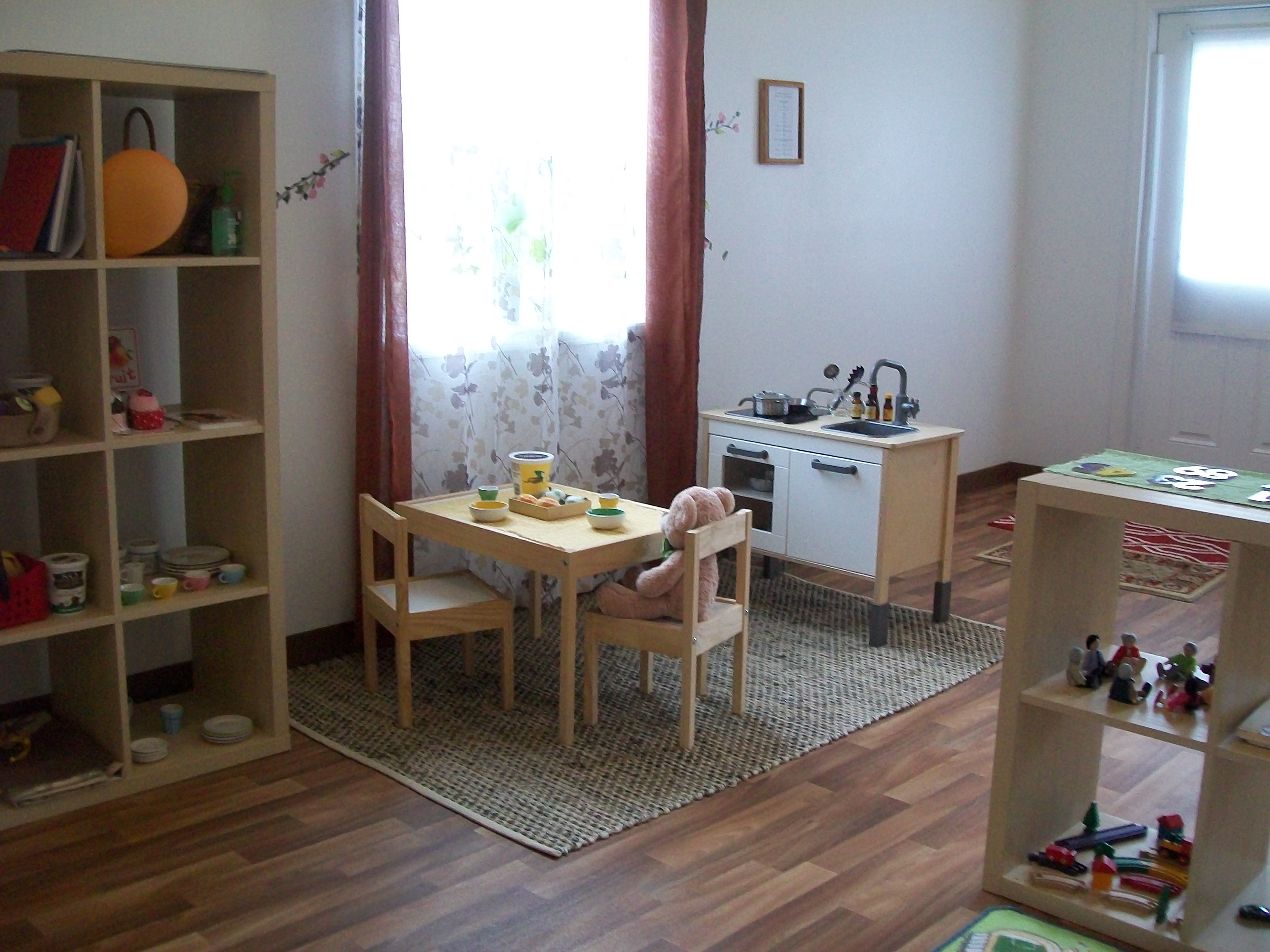 How has your teaching or understanding of children changed since using your classroom as a third teacher? How has your perception’s of your children changed as parents using your home as a third teacher? Please comment, like and share! Let’s keep these conversations going! :)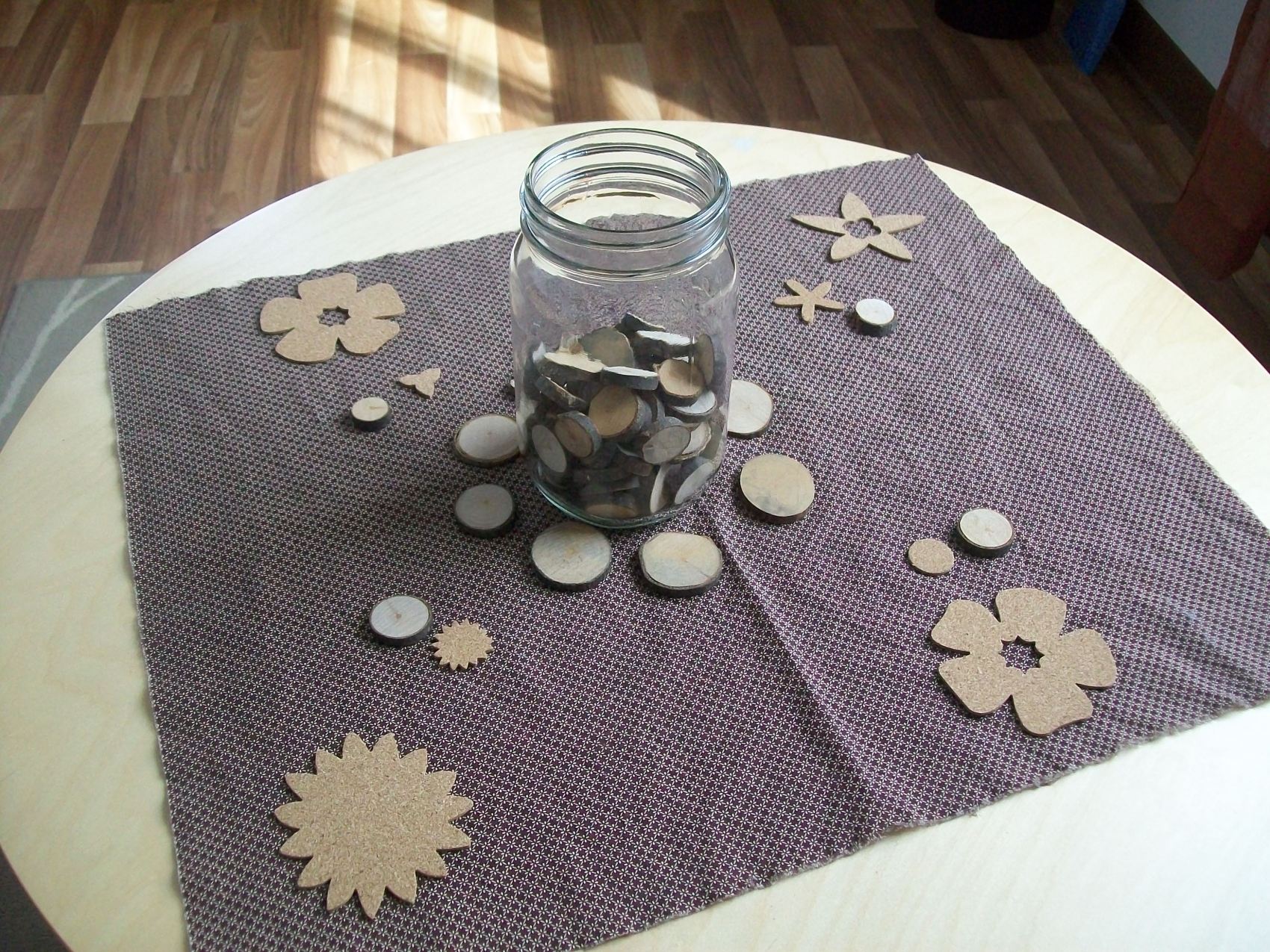


 The Marigold School of Early Learning