

I find this post to still be true in 2023. This is not an in depth look at traditional and progressive, yet it does give some idea of the differences.
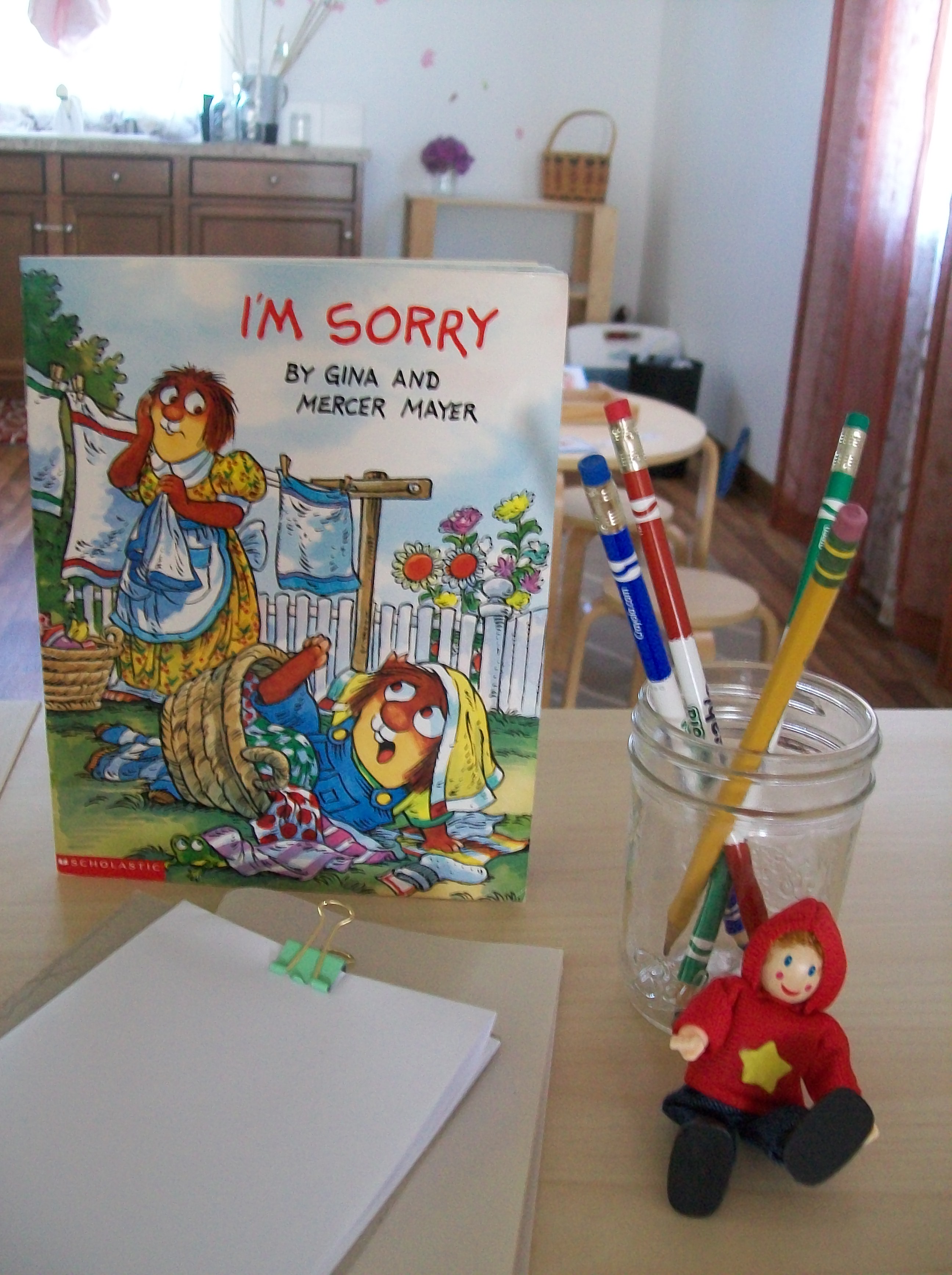
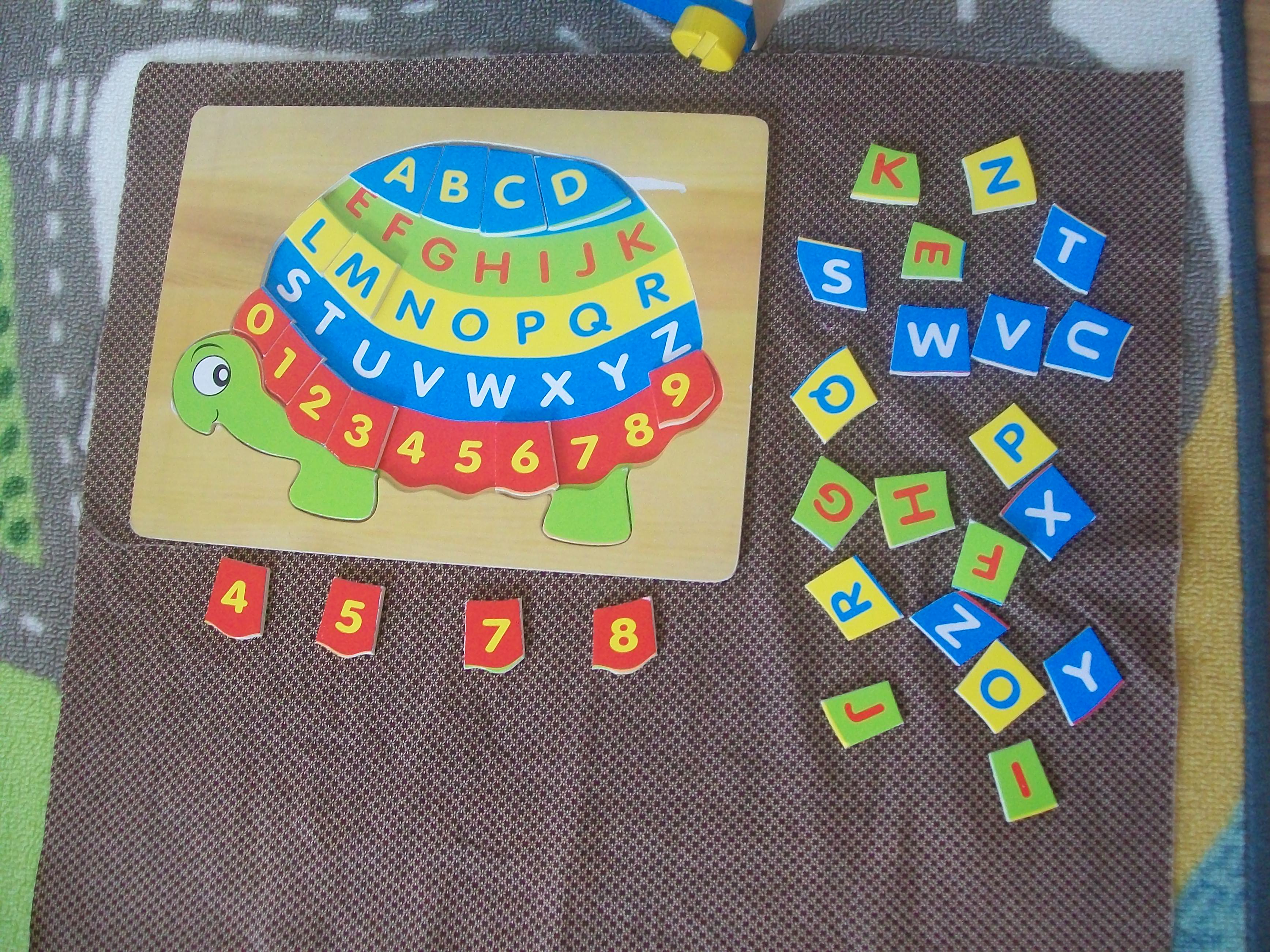 Hello! I am back for the second installment of my new mini blog series. Please check out my other posts and join the conversation! :)
Today I am delving into comparing traditional and progressive early education. This posting is based on my own experiences through the years being both an early learning teacher and an elementary teacher. As always, please like, share and join in if you have experiences to impart! I love reading other people’s experiences. We learn from each other so, keep the doors and windows open! :)
Here is a brief summary comparing the two types of early ed. There is much more that I am leaving out because I don’t believe it to be necessary to go into too much depth at this point.
Traditional
- worksheets
- workbooks
- teacher directed
- teacher or another adult helps children complete work
- children’s work is not entirely theirs or as authentic
- direct instruction
- pre-formed and cut artwork
- projects with limited collaboration and creativity
- individuality is diminished while conforming to a normative standard is preferred
- must have certain skills obtained by certain points in the school year
- lessons and units focus on either boxed curriculum or school’s theme choices or teachers choices
- assessment is either not appropriate for preschool or not detailed enough depending on the type of early learning school a child attends. And sometimes it is too strict for the age range of preschool.
- individuality and uniqueness are not valued or considered
Progressive
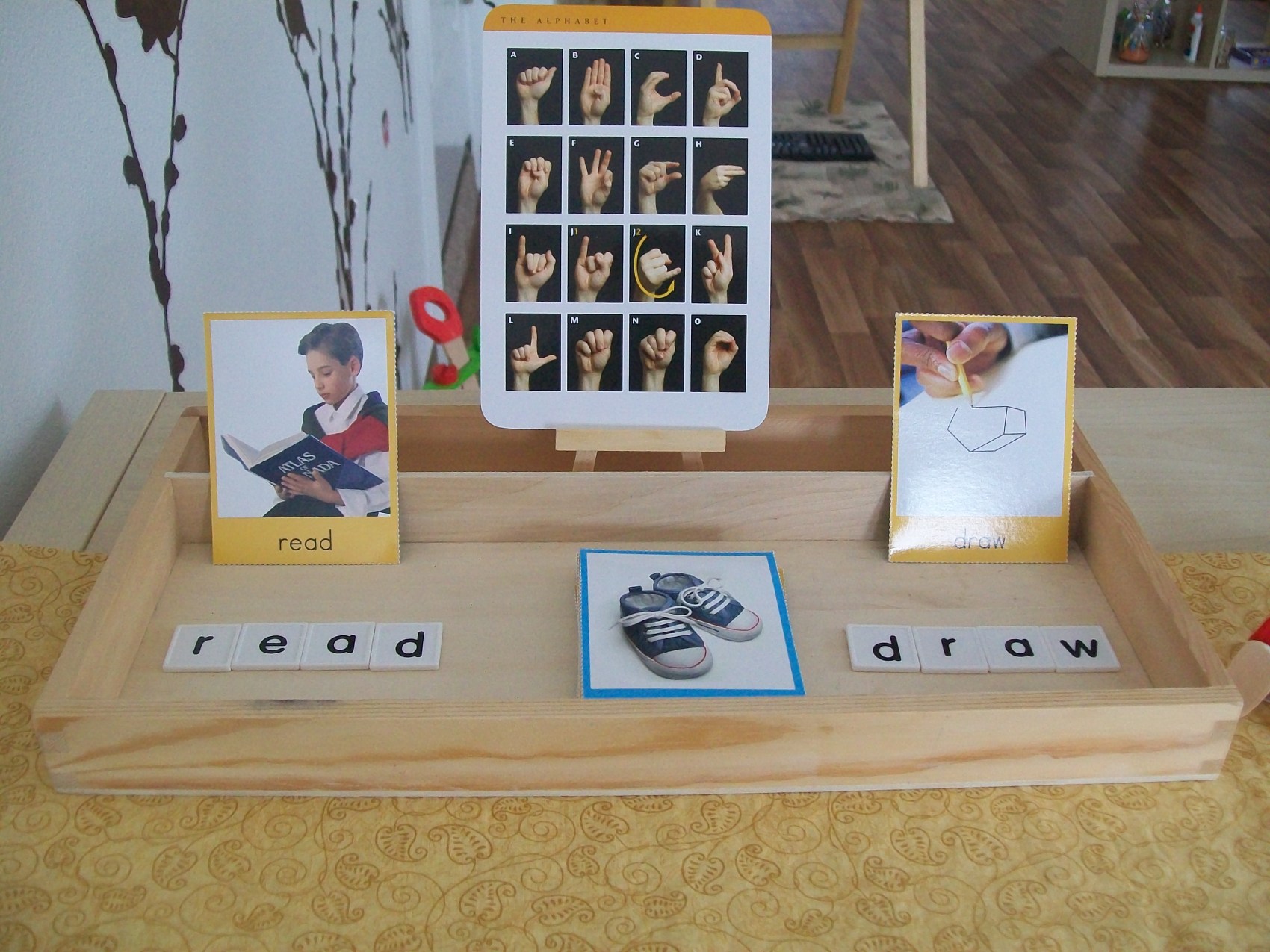
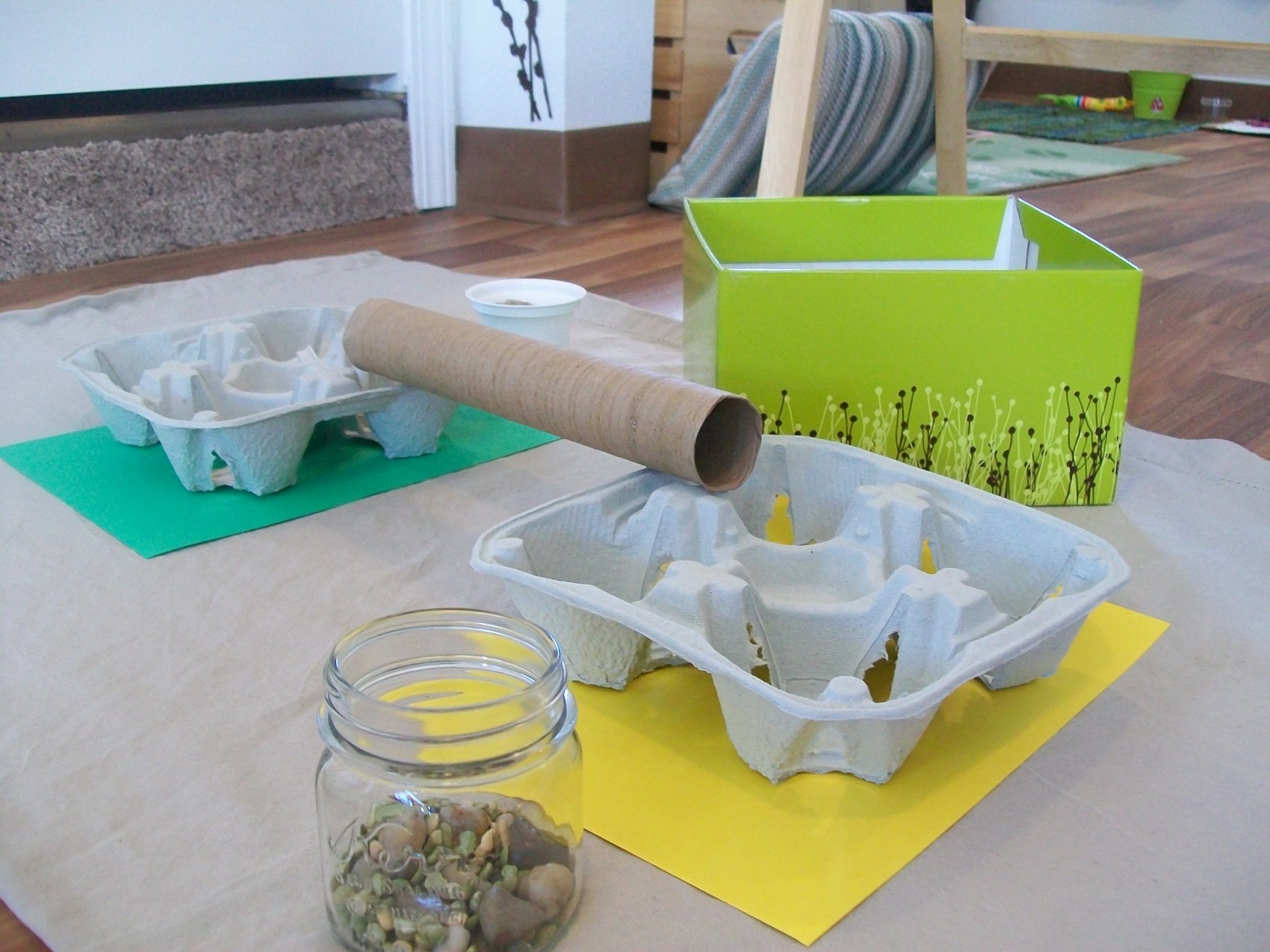
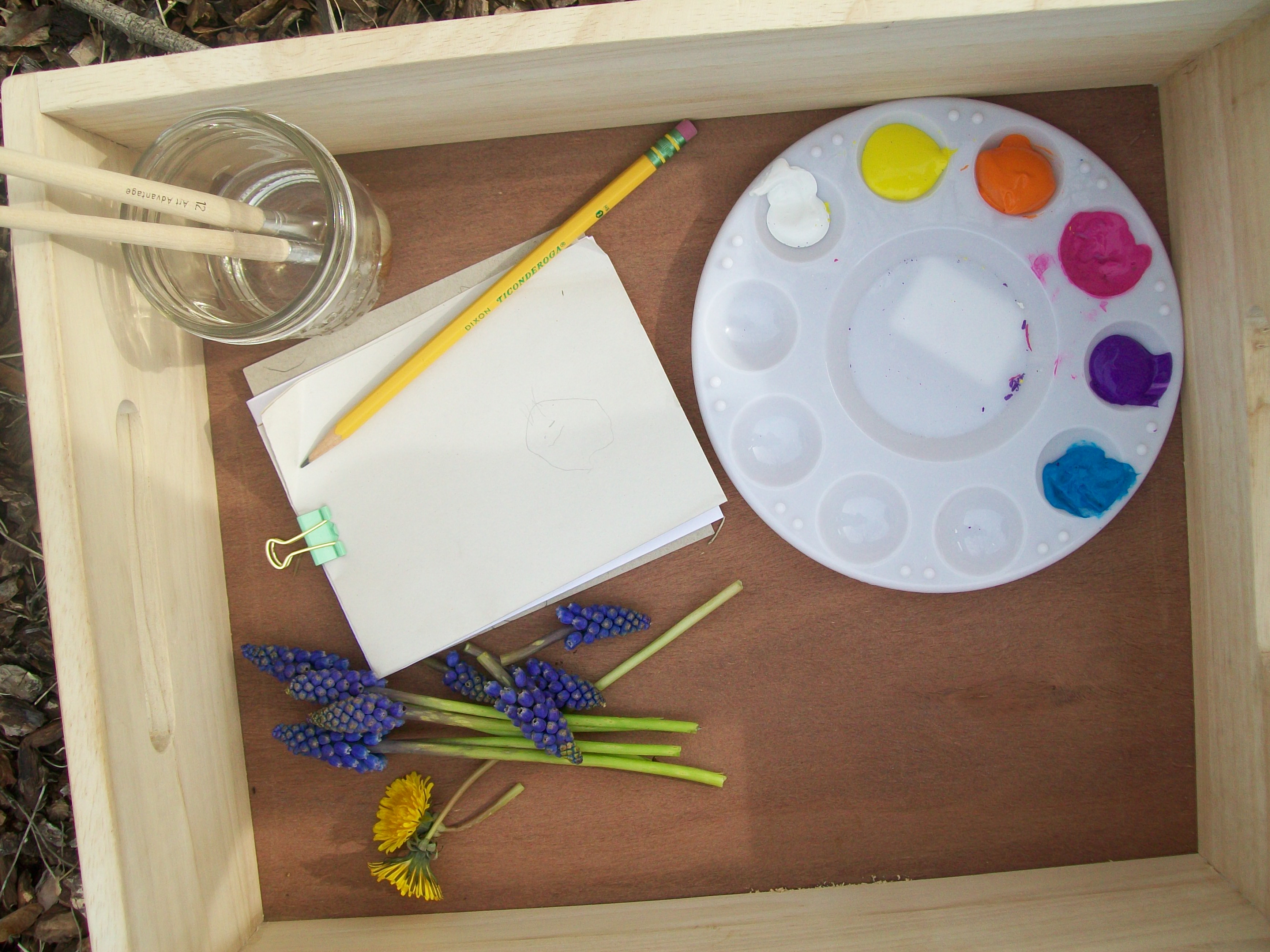
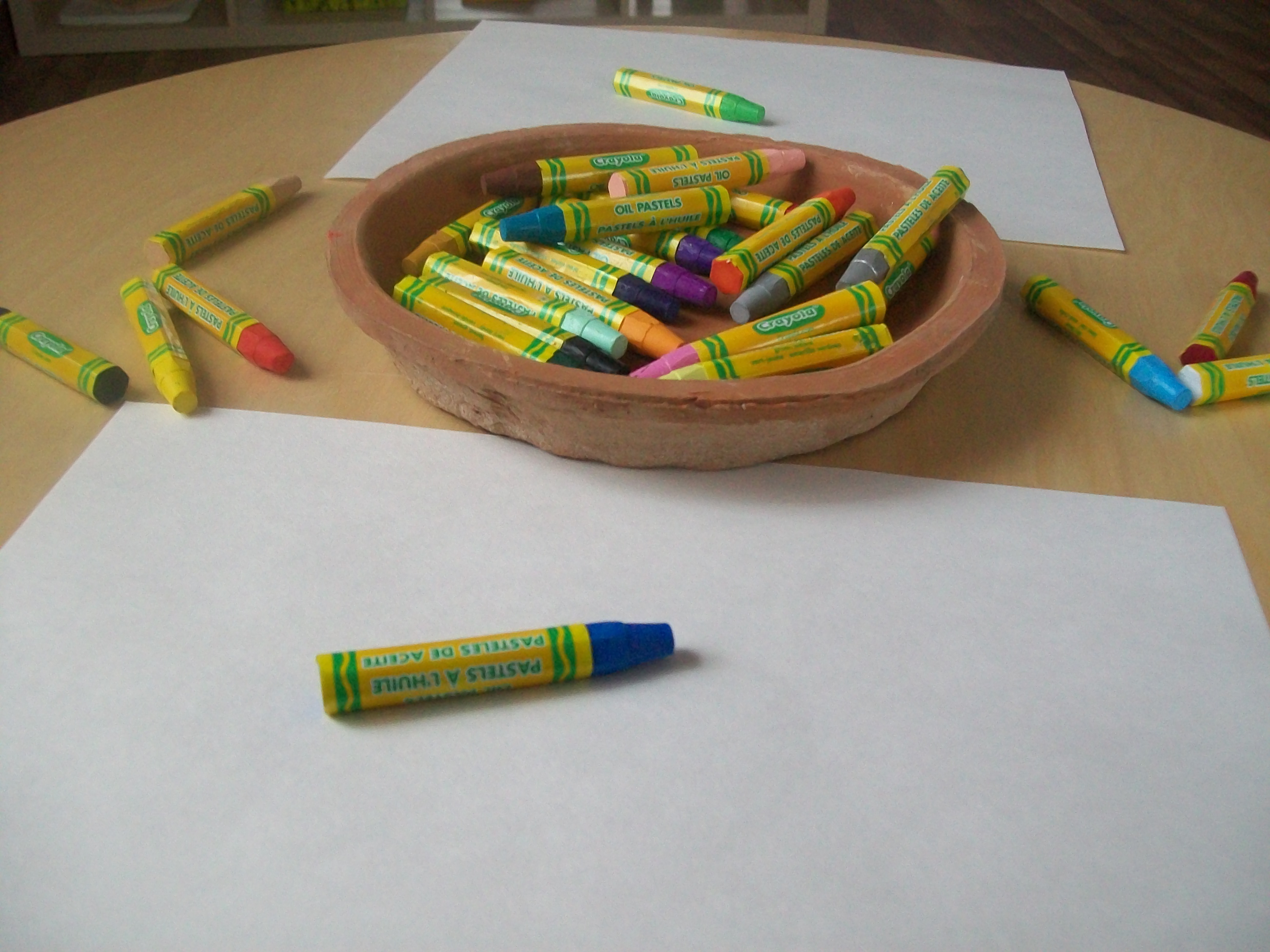
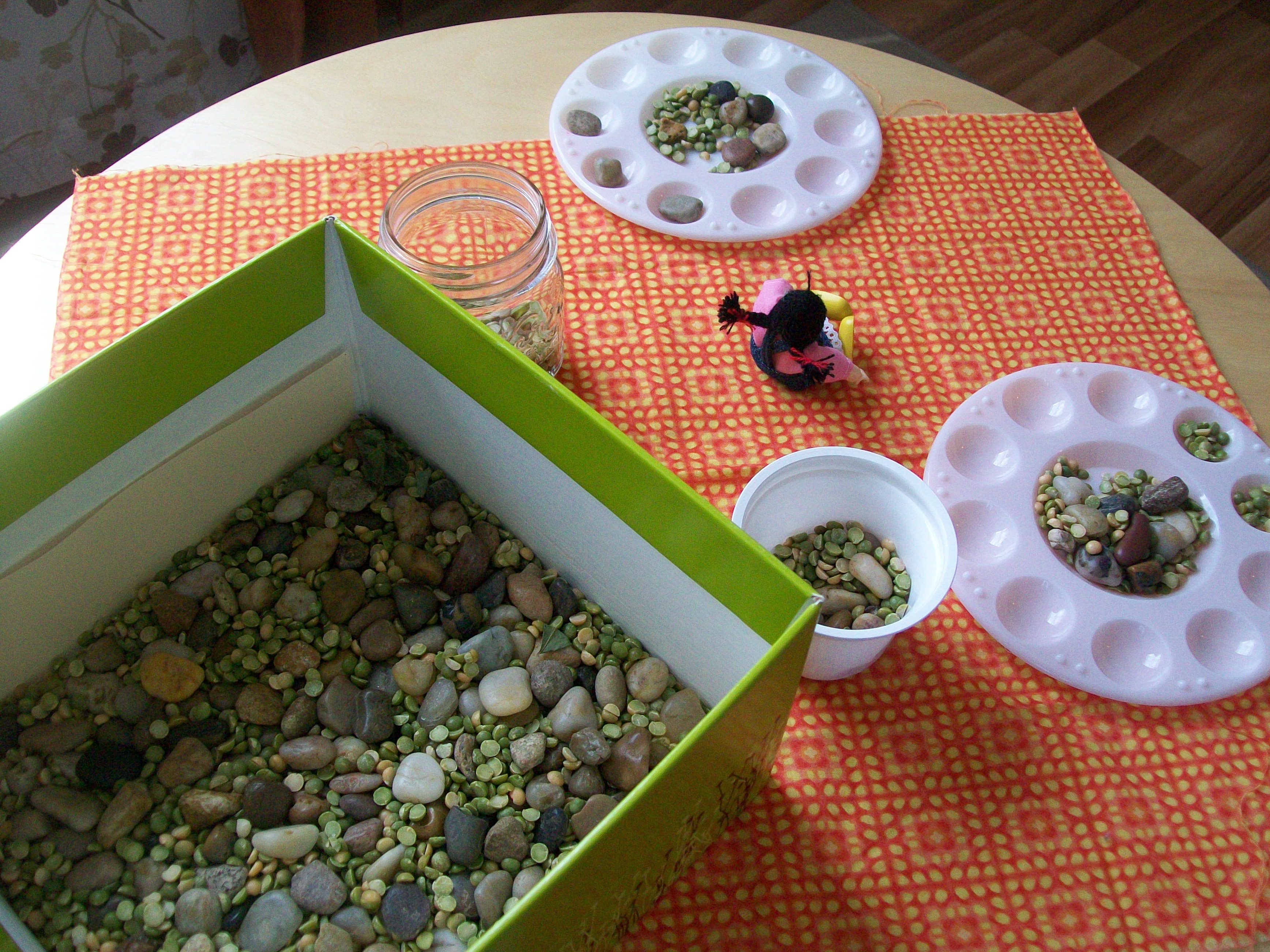
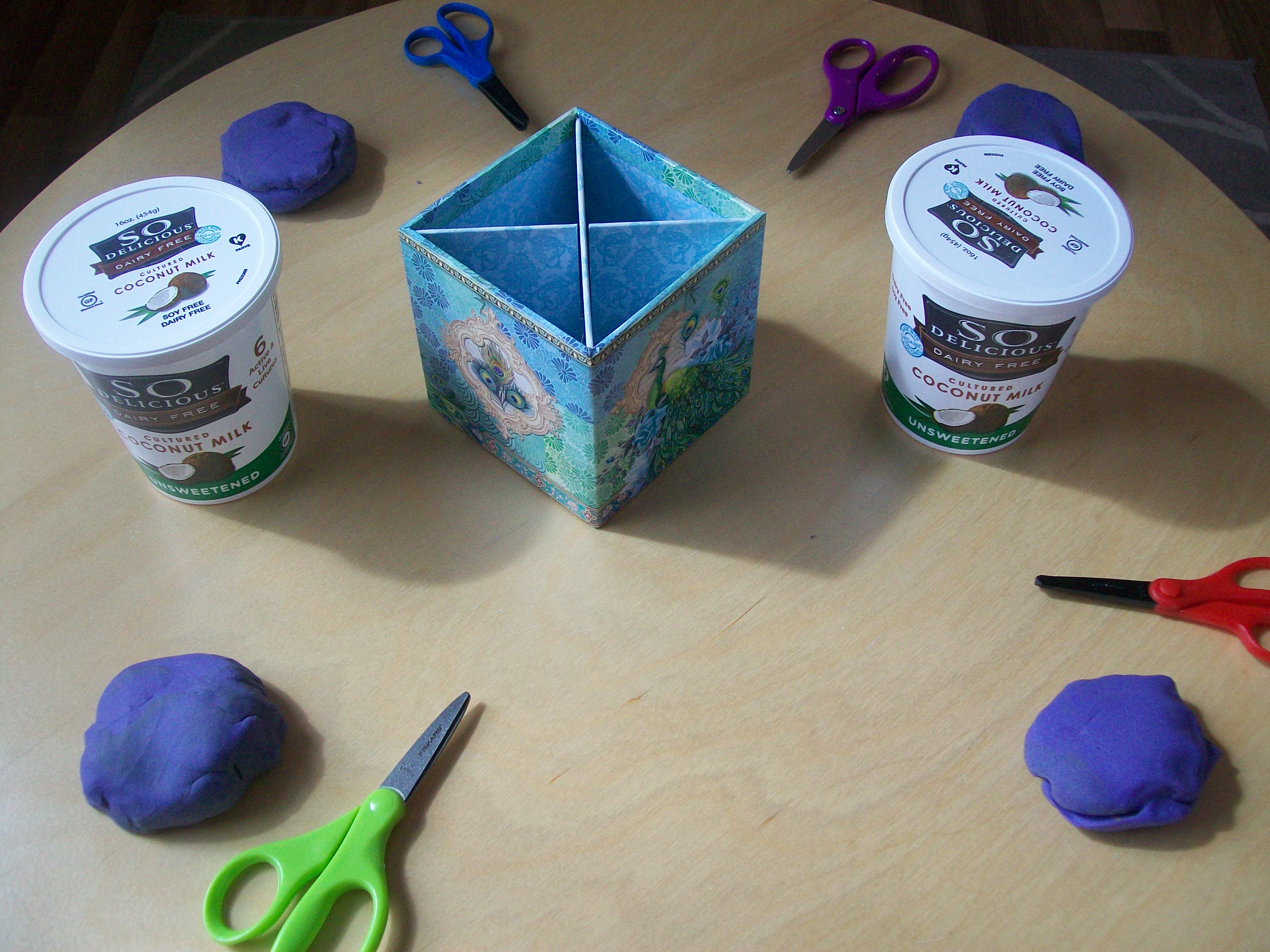
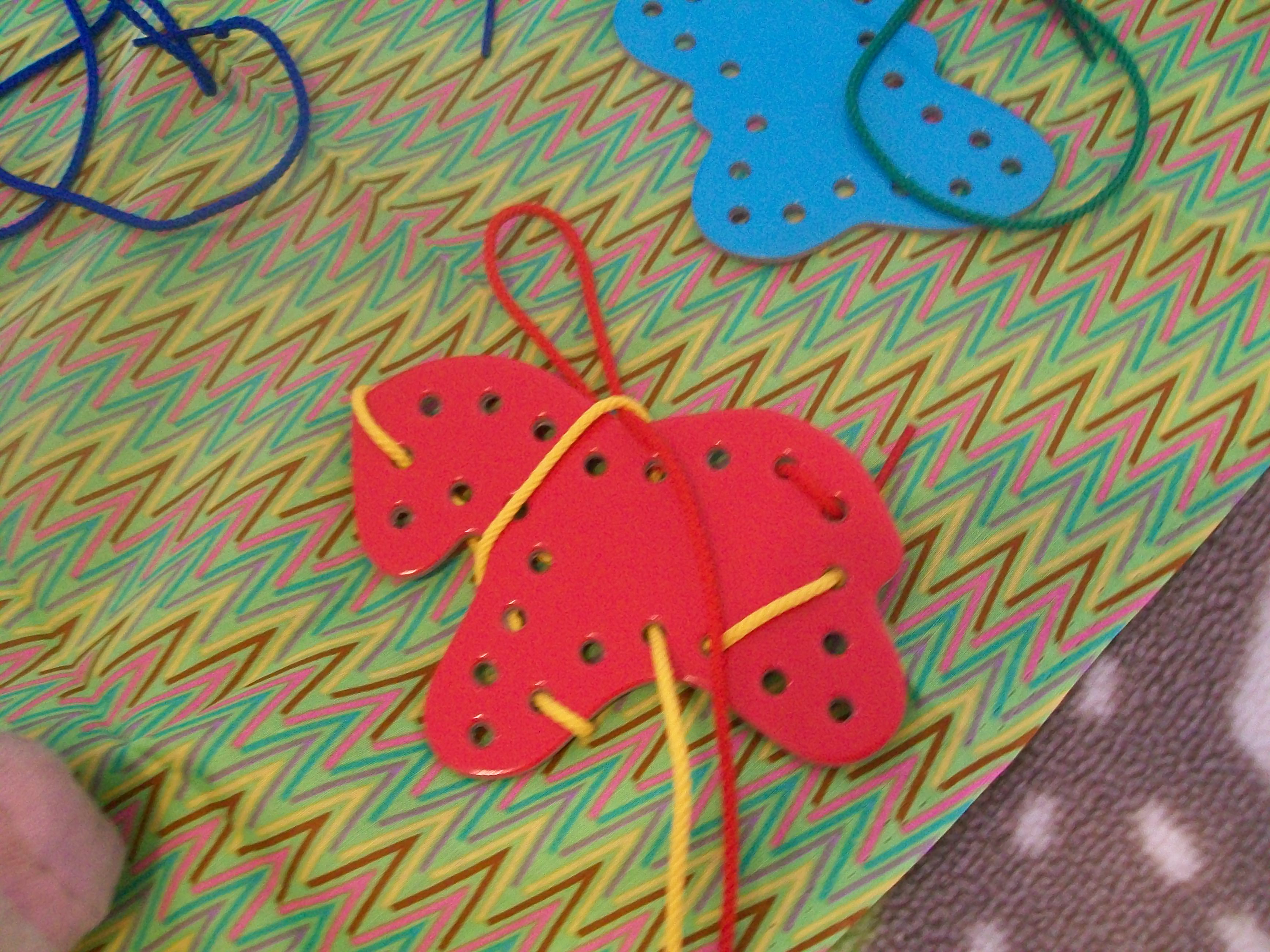
- provocations
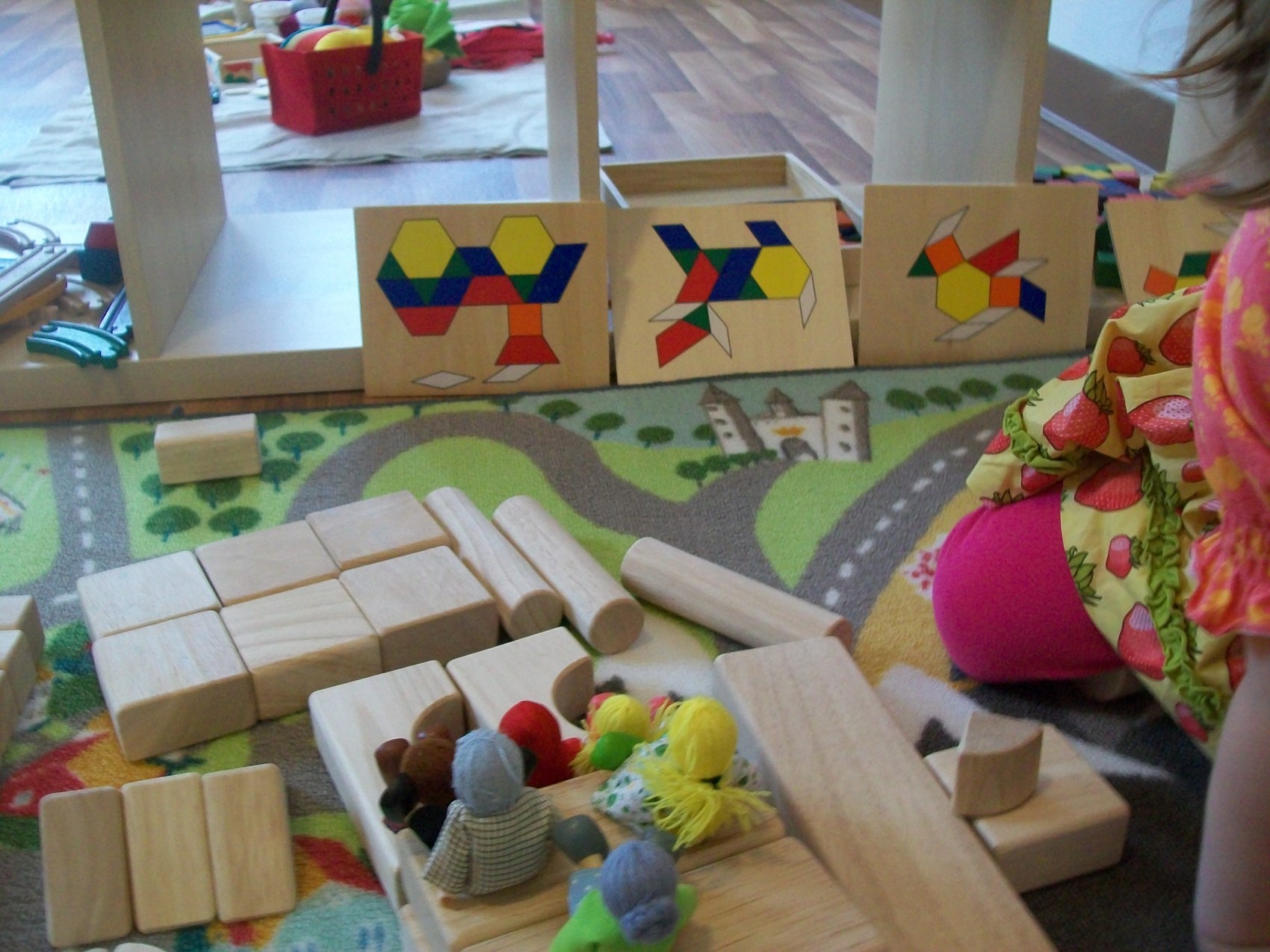
- interest areas
- child-directed play
- curriculum emerges with children’s interests and developmental abilities
- Teacher is a facilitator, guide, support, and mentor
- children choose to work individually, in pairs, threes, as a small group or with the entire class
- children utilize and learn new skills at their pace of development and their age
- current research on ECE is implemented and reflected on
- assessment happens in a more natural way rather than a more structured way
- different forms of documenting children’s learning are in place
- assessments are based on the state standards, current research and the unique abilities of each group of children.
- children’s work is theirs and no one else makes it for them
- there is no limit placed on children’s learning
- the environment is designed to support each developmental step a child takes on his/ her learning journey
- the whole child is appreciated and respected for their capabilities wherever they are on the developmental timeline.
 As you can see from both traditional and progressive, there are major differences. Since these have been my experiences through the years I do expect to meet others through this medium who have similar experiences to mine. And I also expect to meet people that have gone through very different experiences. Obviously, you can tell I prefer progressive to traditional.
I would like to give just a small example of what a curriculum unit would look like from both a traditional and progressive perspective. Please keep in mind I am leaving out quite a bit from both due to an effort to keep this posting shorter.
Traditional
A traditional unit usually includes all of the following but not limited to:
- a set goal along with mini goals and objectives
- the unit is aligned with state standards or the teacher has to do this
- the unit contains workbooks, worksheets and pre-cut artwork for the children to fill out or cut and paste
- direct teacher instruction
- no room for pure creativity or hypothesis from the children.
- the directions must be followed exactly or the child has to redo the work
- there are either mini tests along the way or one big assessment at the end of the unit
- the unit already has a theme and all lessons are extensions of that theme.
- the children all do the exact same thing
- the children either work individually or in a group
- a time limit is placed on when each lesson should be finished
- adults help complete work for the child if a child is not finished by the designated time
Progressive
- a unit only comes about if it emerges with whole group interest or a small group interest
- one goal and several mini goals with objectives
- the children are a part of the process for coming up with goals and how to achieve each
- group work is encouraged but not required
- there is no time limit on the unit
- children use a multitude of materials to complete the lessons in the unit they have helped design
- the children meet as a group often throughout the process to collaborate on ideas and ask questions
- the unit meets the needs of not only the age range of preschool children but the developmental needs; these can be different or similar depending on the child
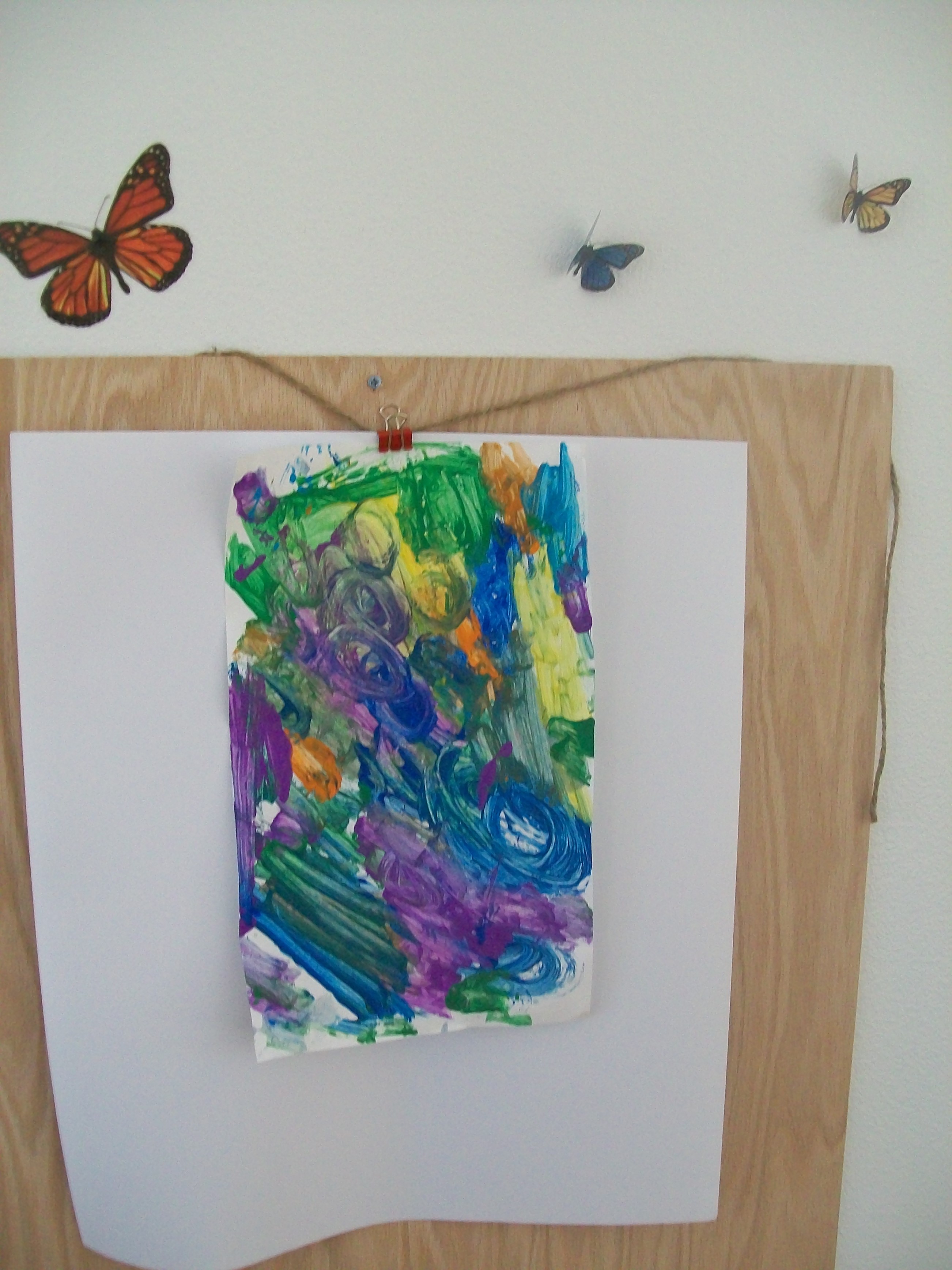
- the work the children do is authentic and emerges with their skill level and desire
- the teacher is a constant support as a facilitator, and someone the children can ask questions, but the teacher does not do the actual work for the child
- the individual work and group work is valued
- the teacher documents in more than one way the entire process the children go through from start to finish.
- there is a culminating event when the entire unit is finished
- children’s learning is assessed throughout the process, yet they are not actually aware of any assessment taking place. ( assessments are for us teachers to help support each child’s learning).
 Please take some time and really reflect on the differences I have posted here and what you have experienced as an early learning teacher or parent with children going through our educational systems. Please share your experiences and like this posting and share with others so more people have an opportunity to join in the conversations! :)
Thank you for stopping by The Marigold School of Early Learning! :)


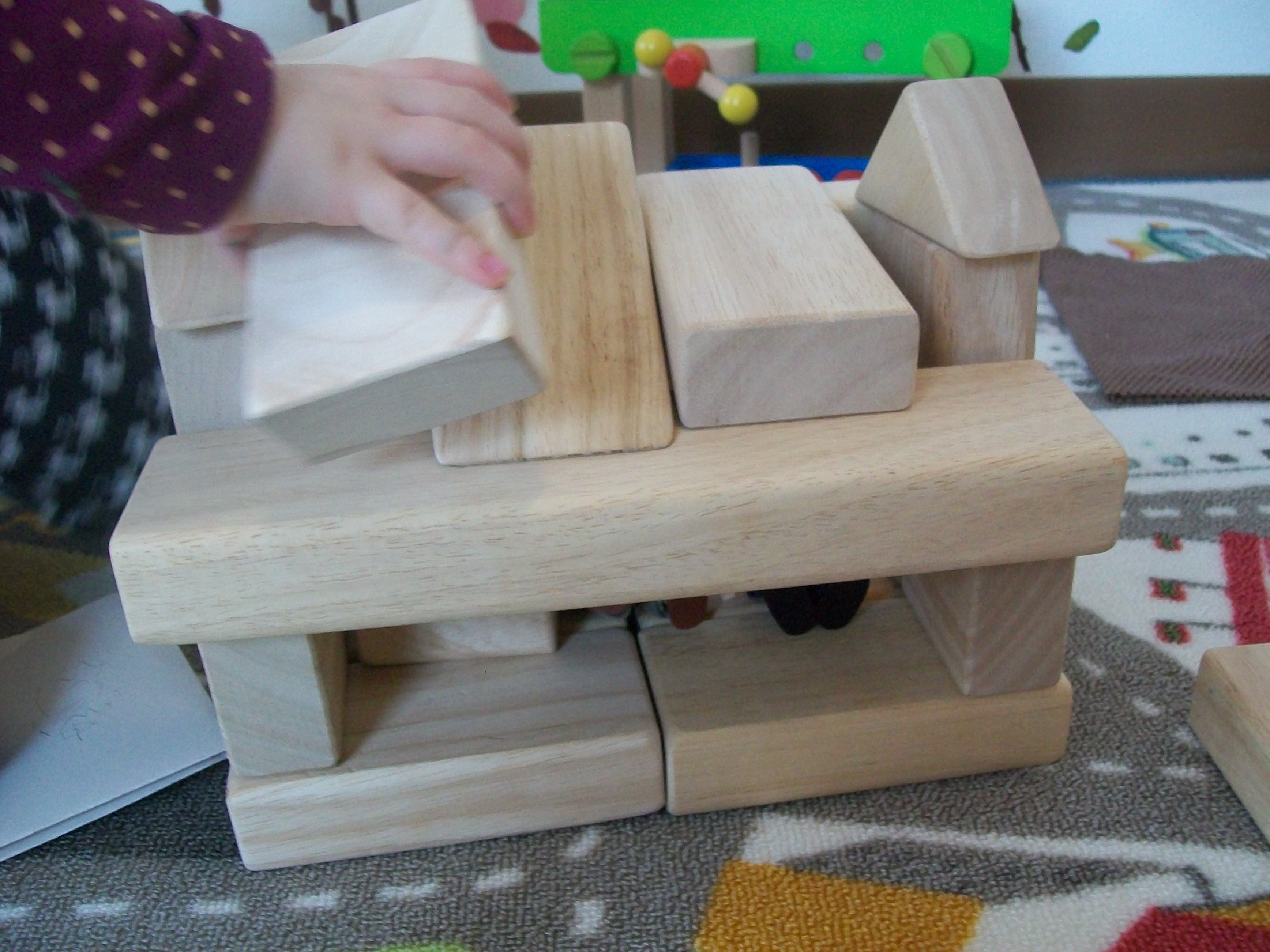
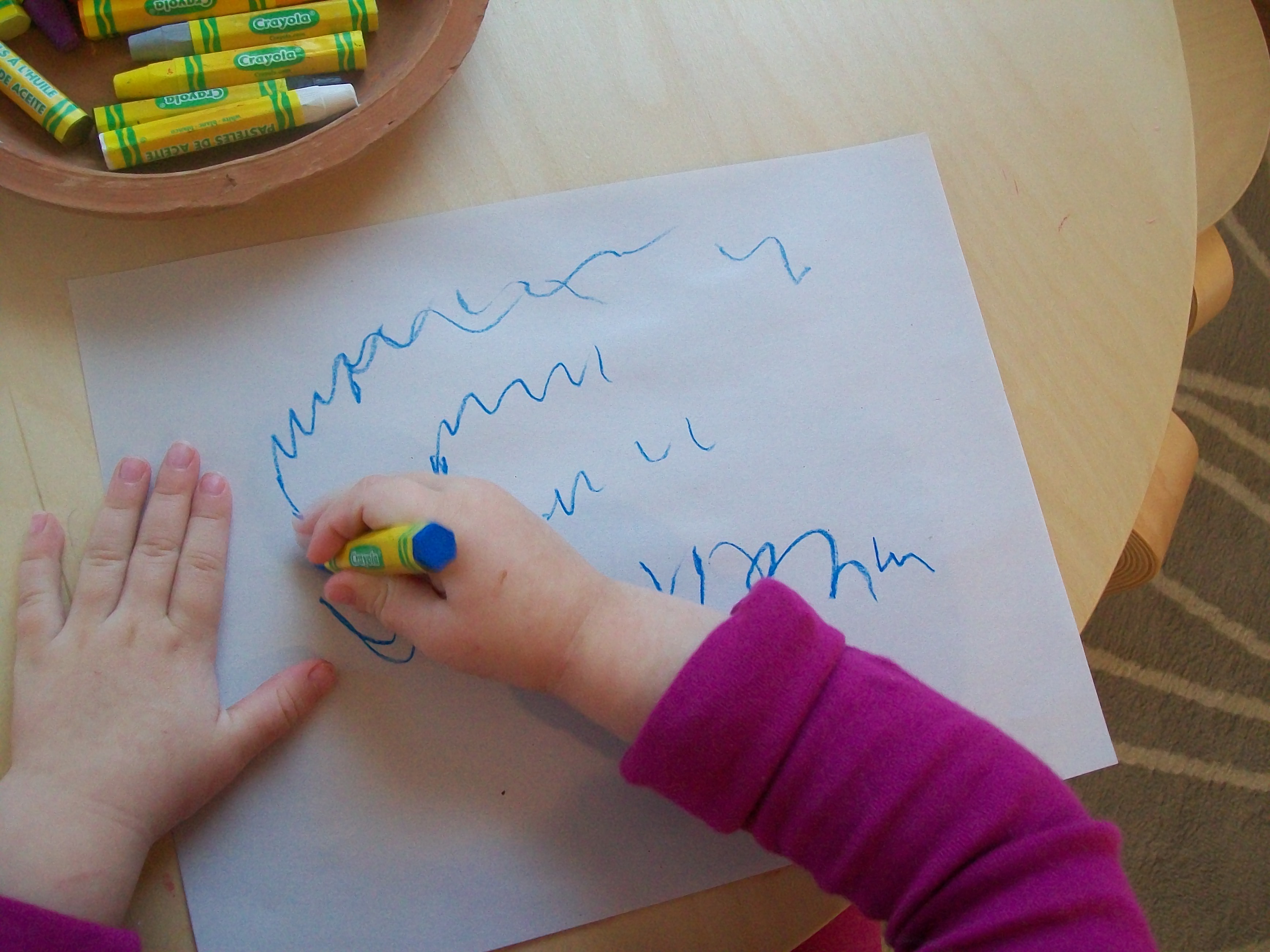
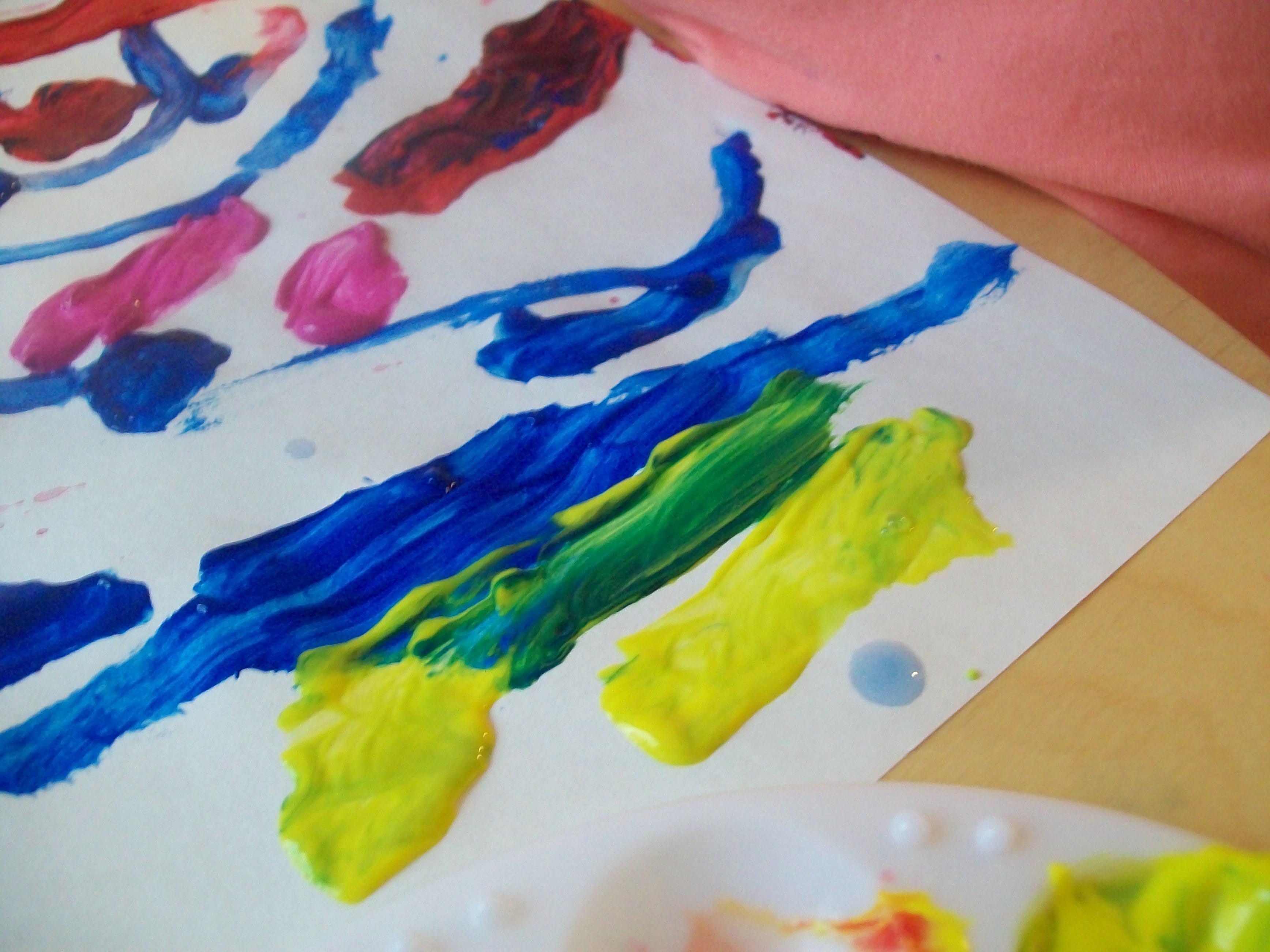
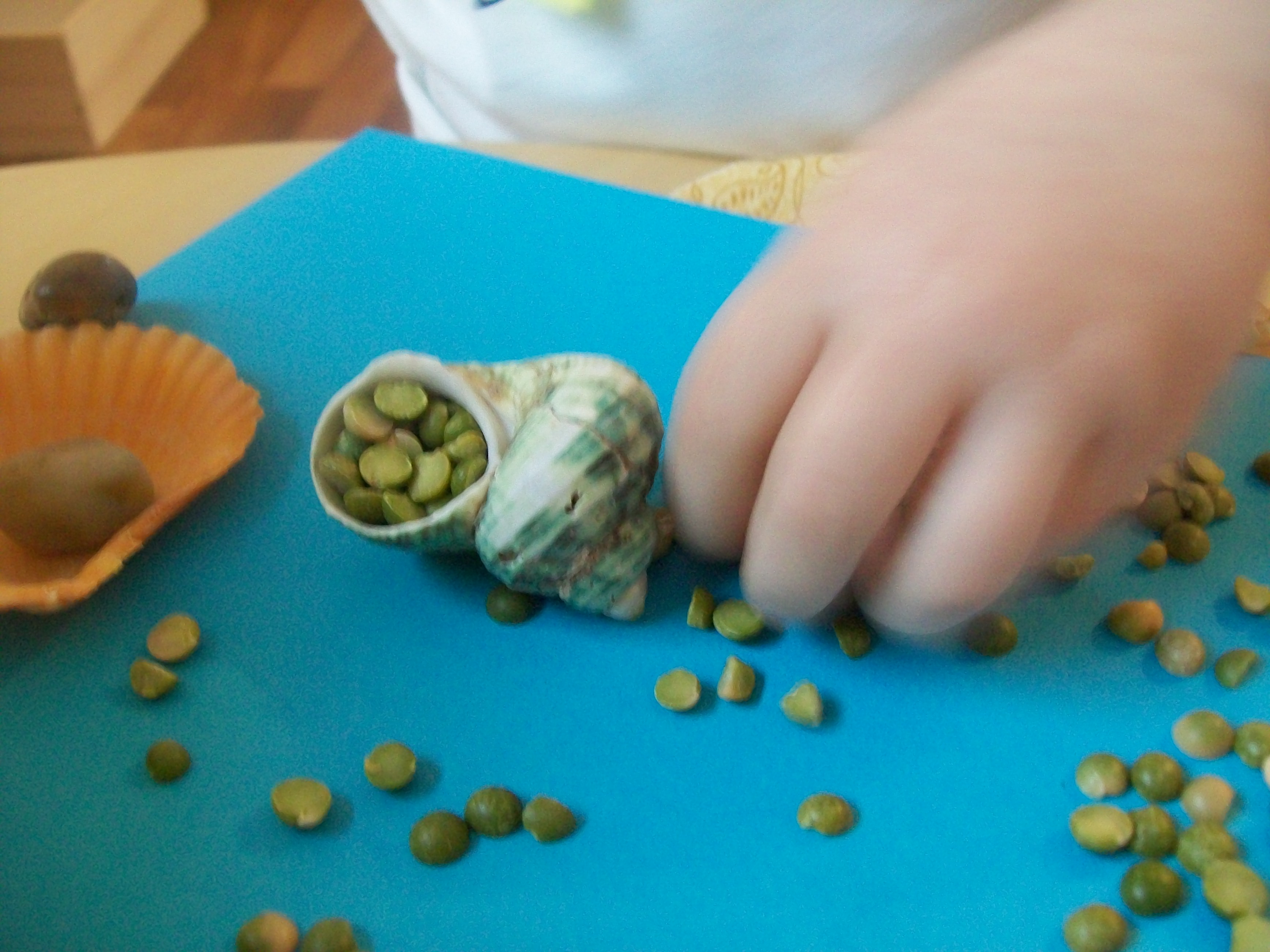
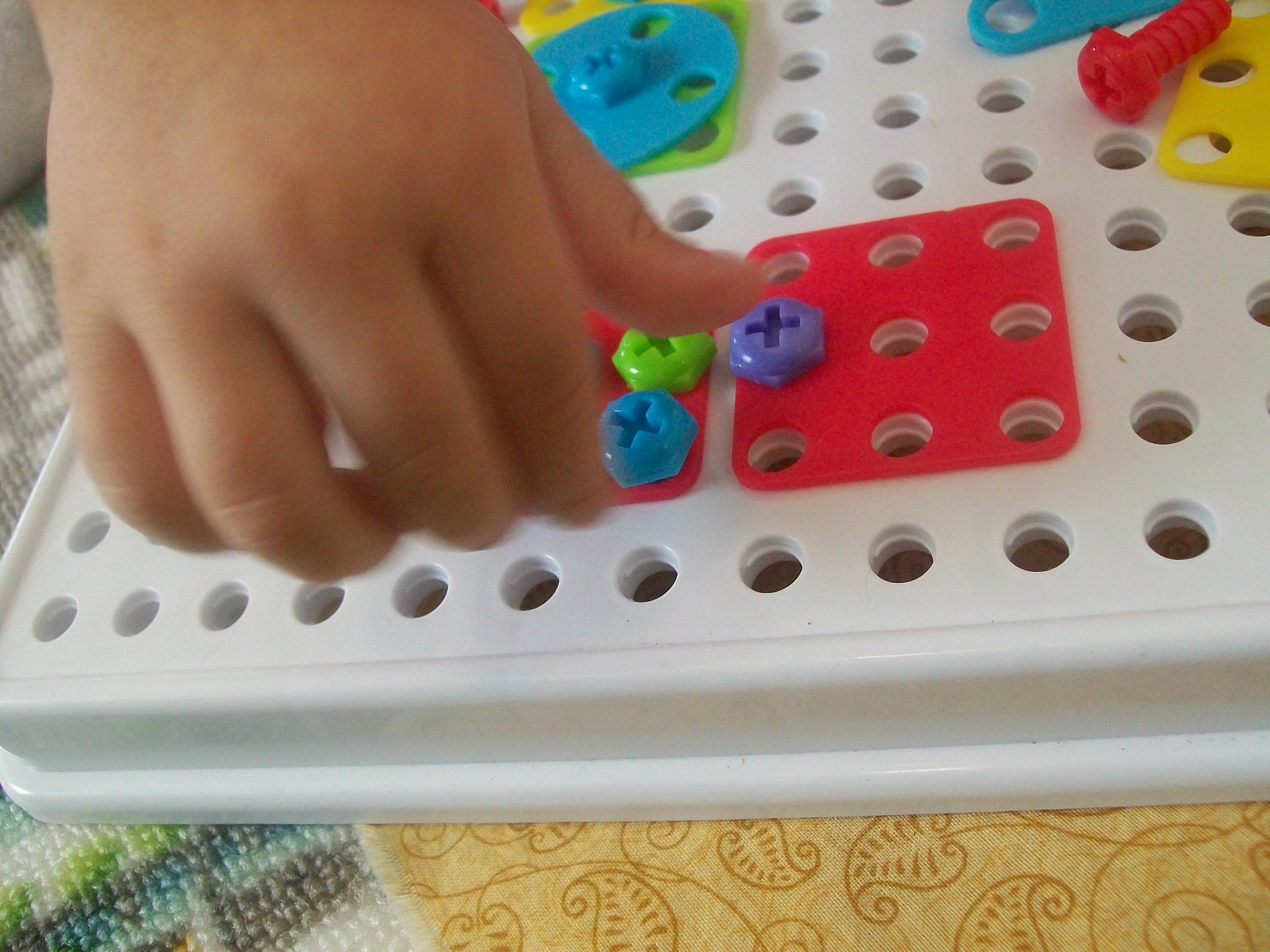
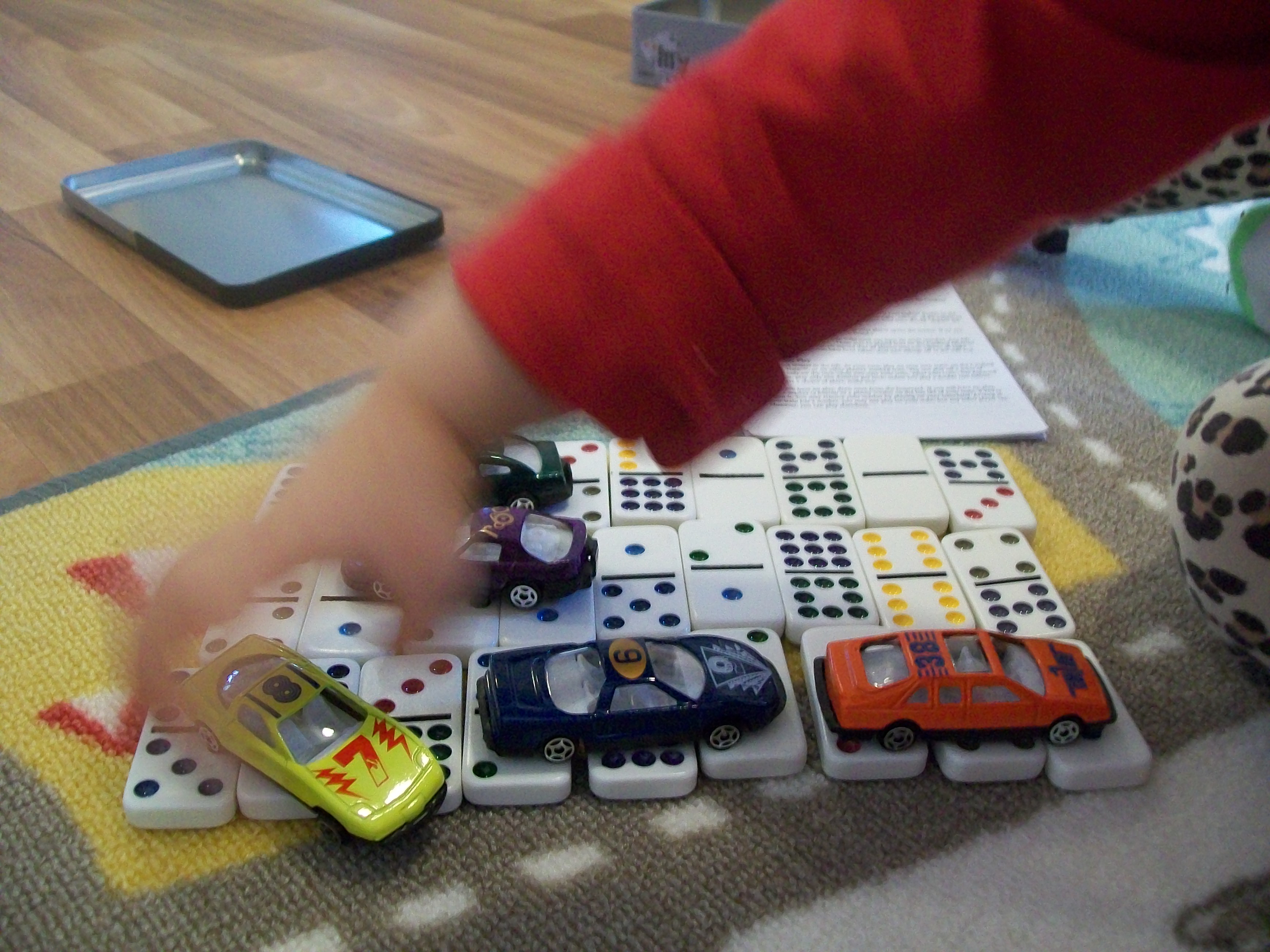

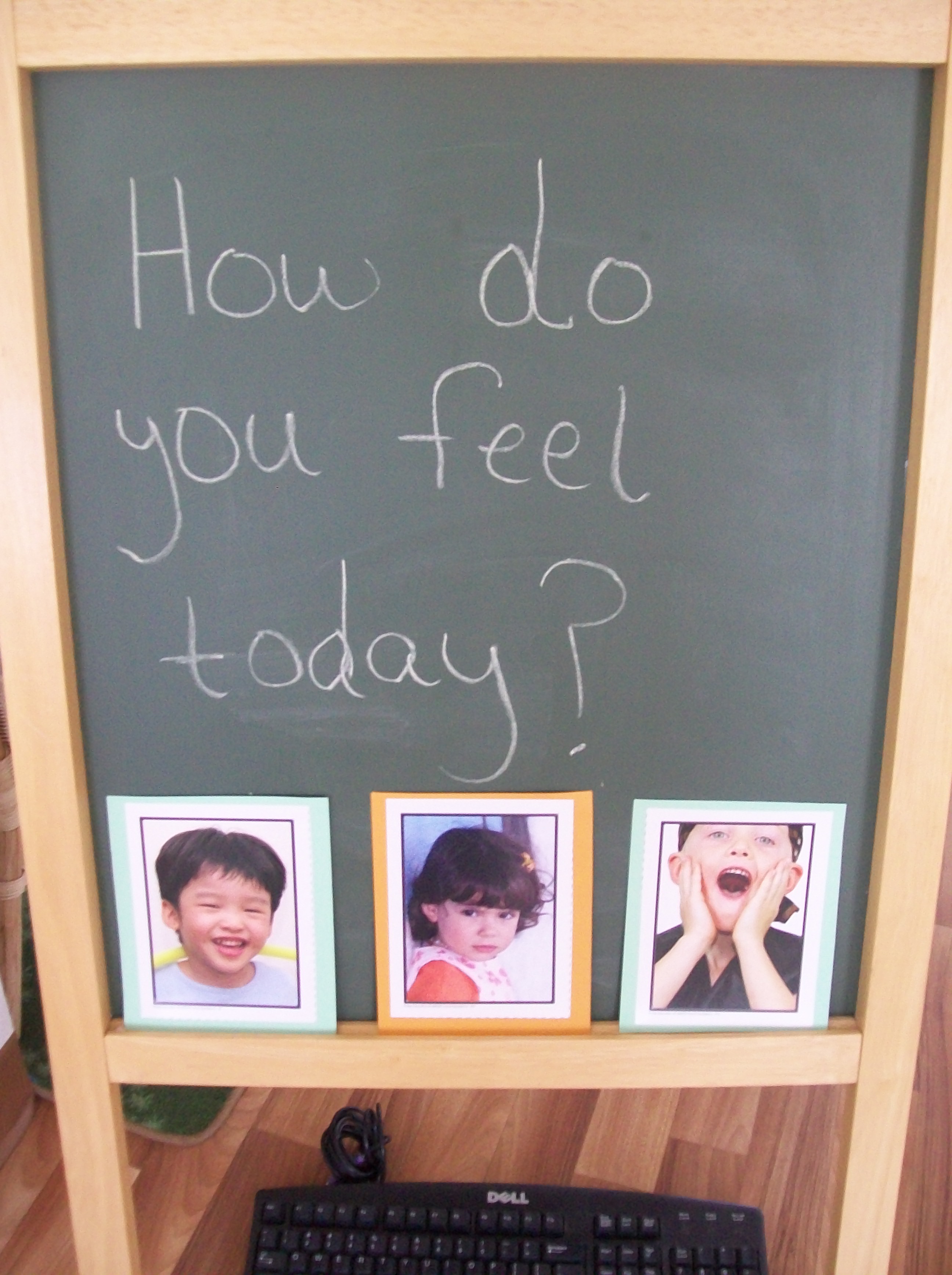
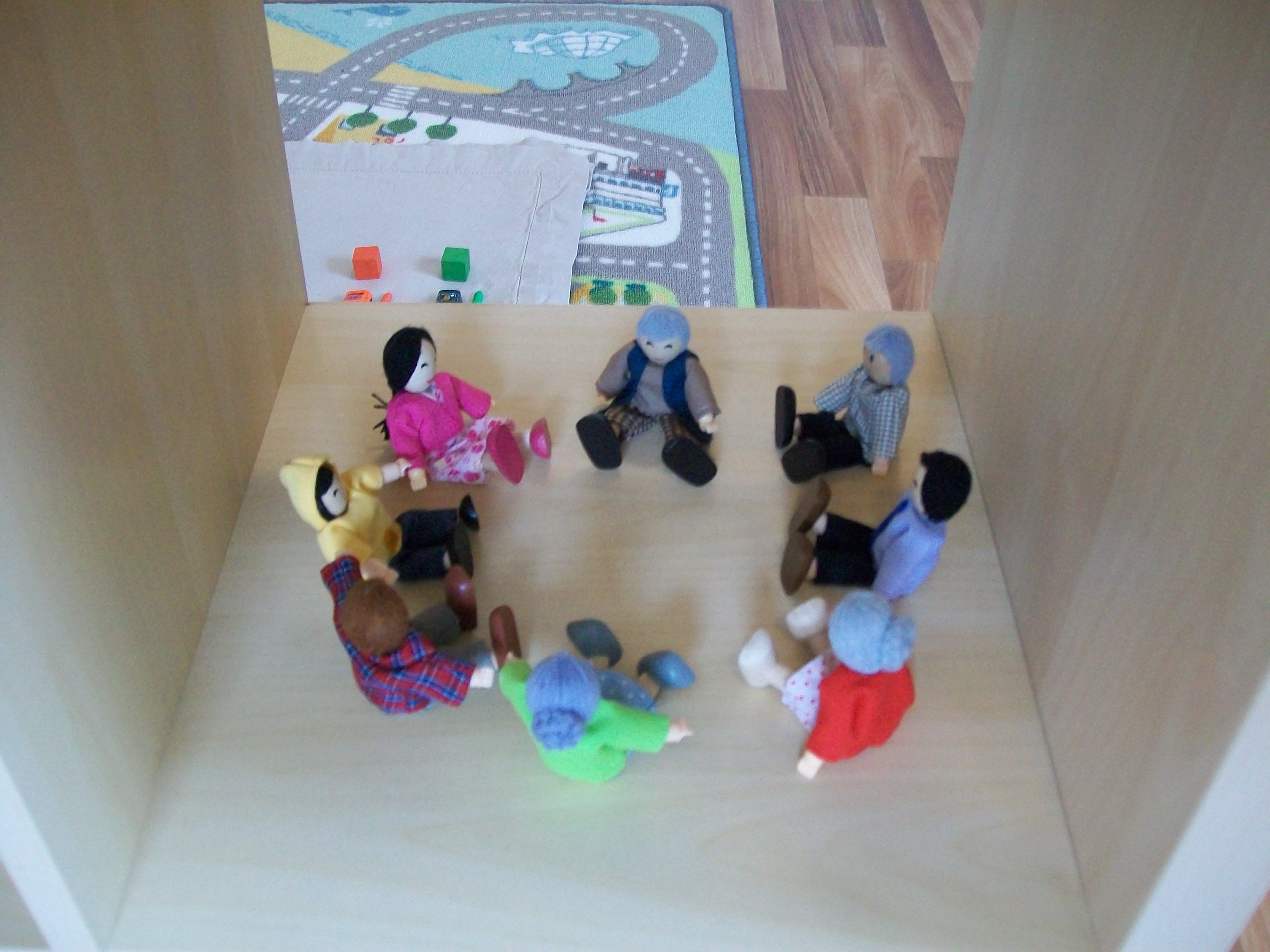
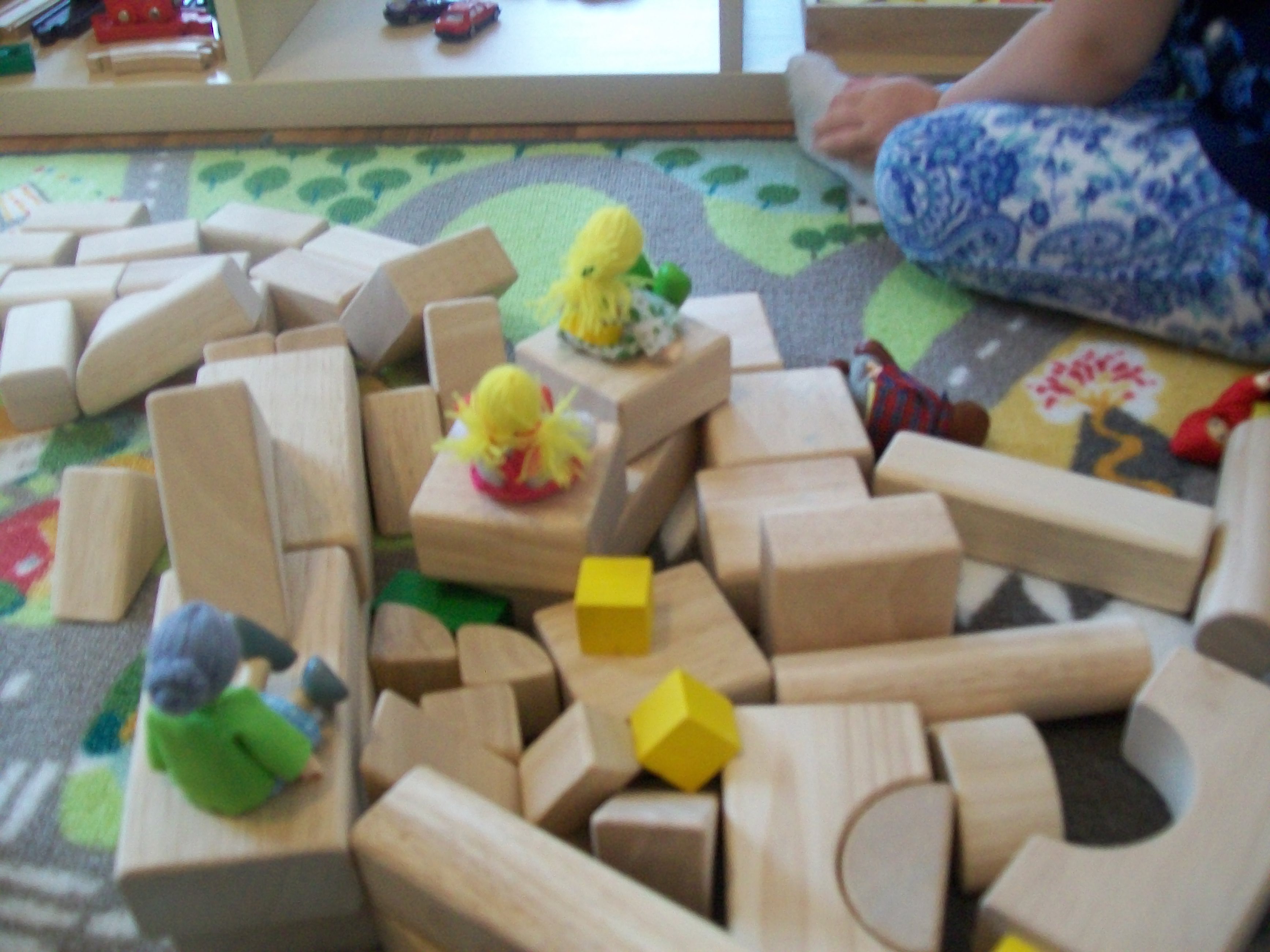
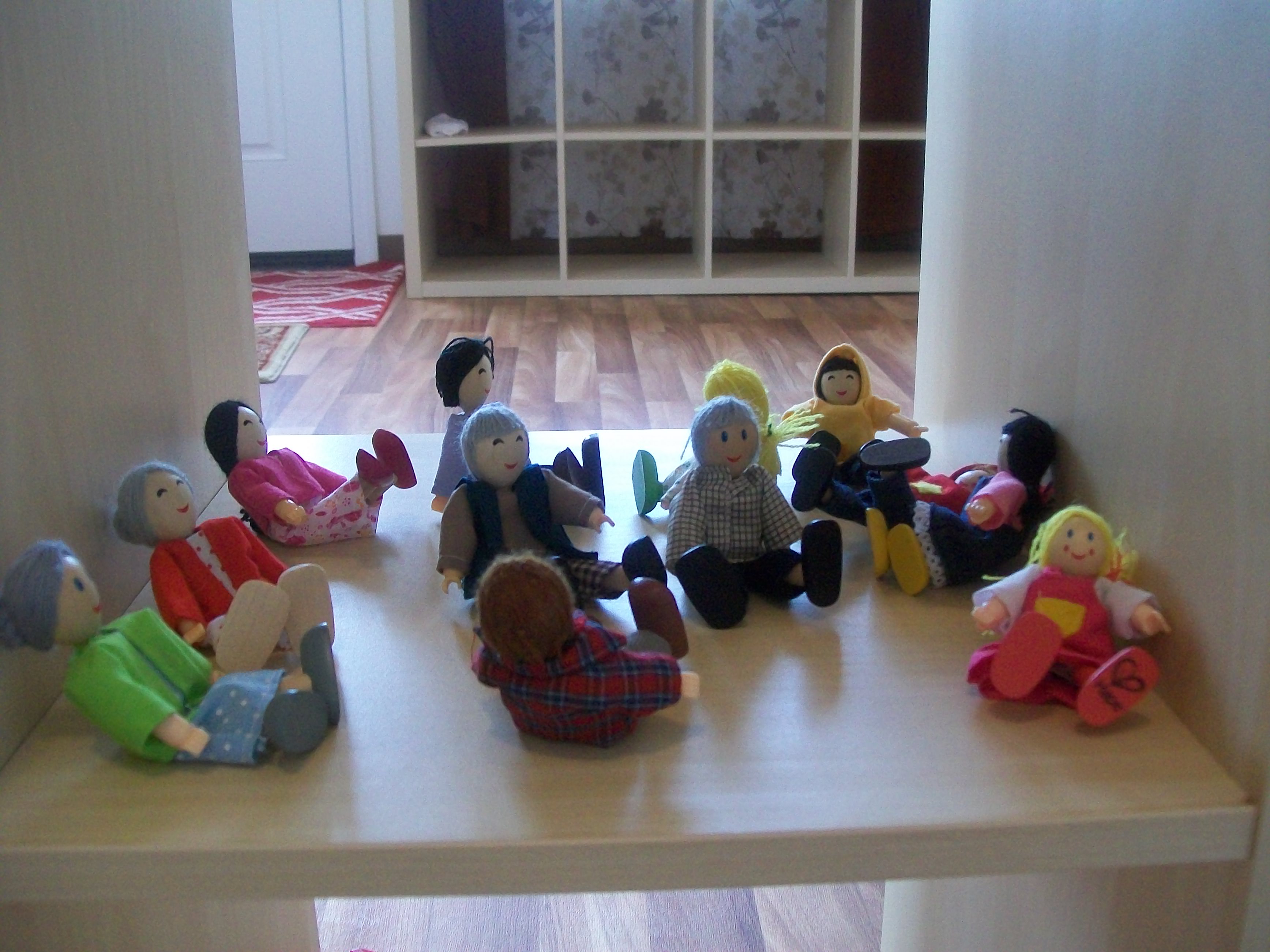


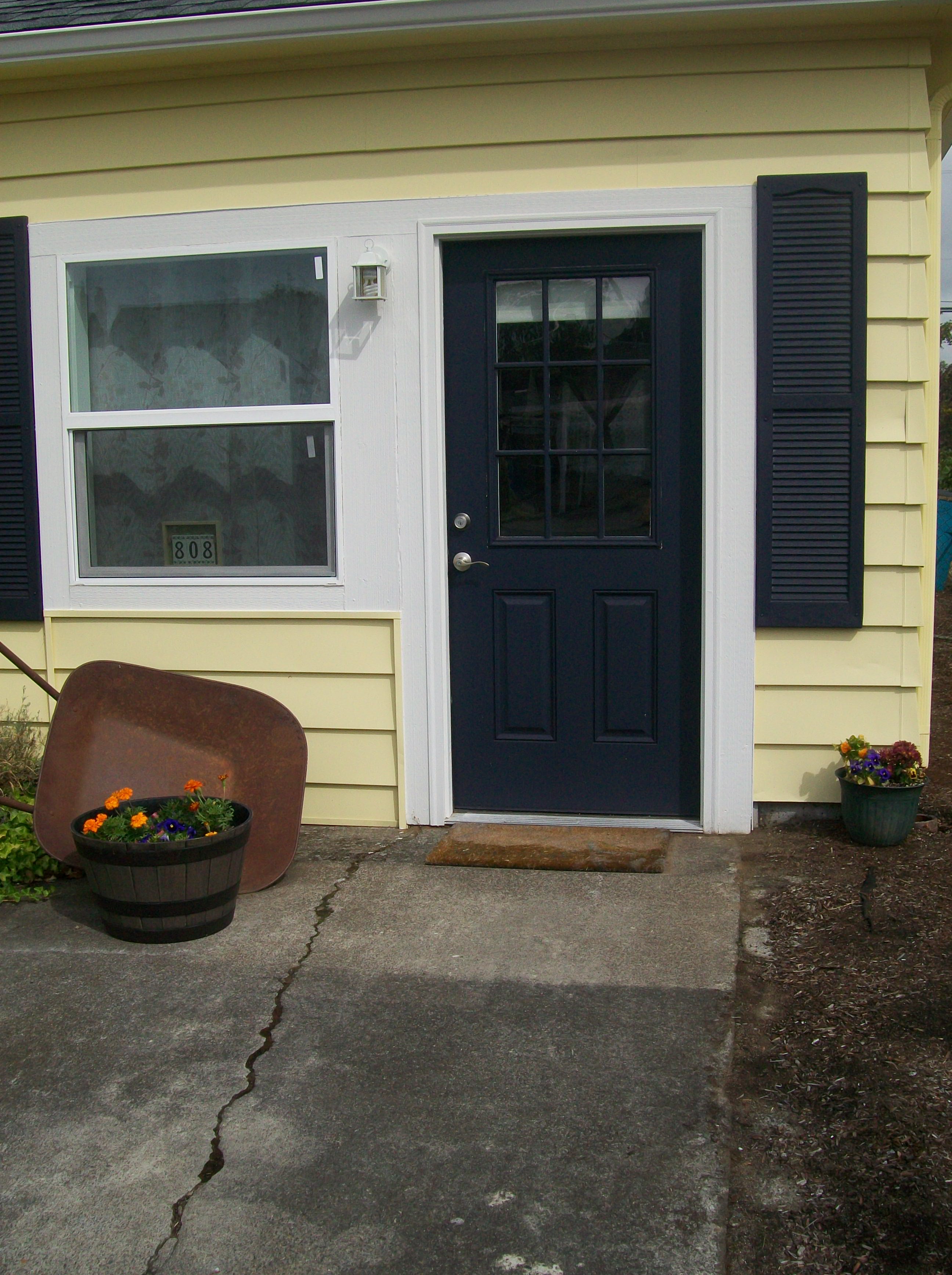
 Today’s discussion will revolve around the classroom as a “third teacher”. Having a preschool that is inspired by the Reggio Emilia approach to education, I have reflected and enjoyed the many years of learning how the classroom is like a third teacher. If any of you have ideas, thoughts, and experiences around this topic please join in the discussion! :) Also keep in mind that large spaces and small spaces will have some things in common, yet many other things that are not common.
 Obviously as a teacher I was trained and have years of experience setting up classrooms and using those spaces to support learning. However, it wasn’t until I started learning more about the Reggio Emilia approach that I really took a good hard look at the teaching spaces both students and myself occupied. Once I really observed and set about reorganizing and shifting these spaces I was able to understand how the classroom itself could be another teacher supporting the learning of children. Trial and error is the best way to put it really. I spent a lot of time moving furniture and creating spaces for the children to engage in. After seeing the children function in those areas I would know what to keep the same or change. You’re
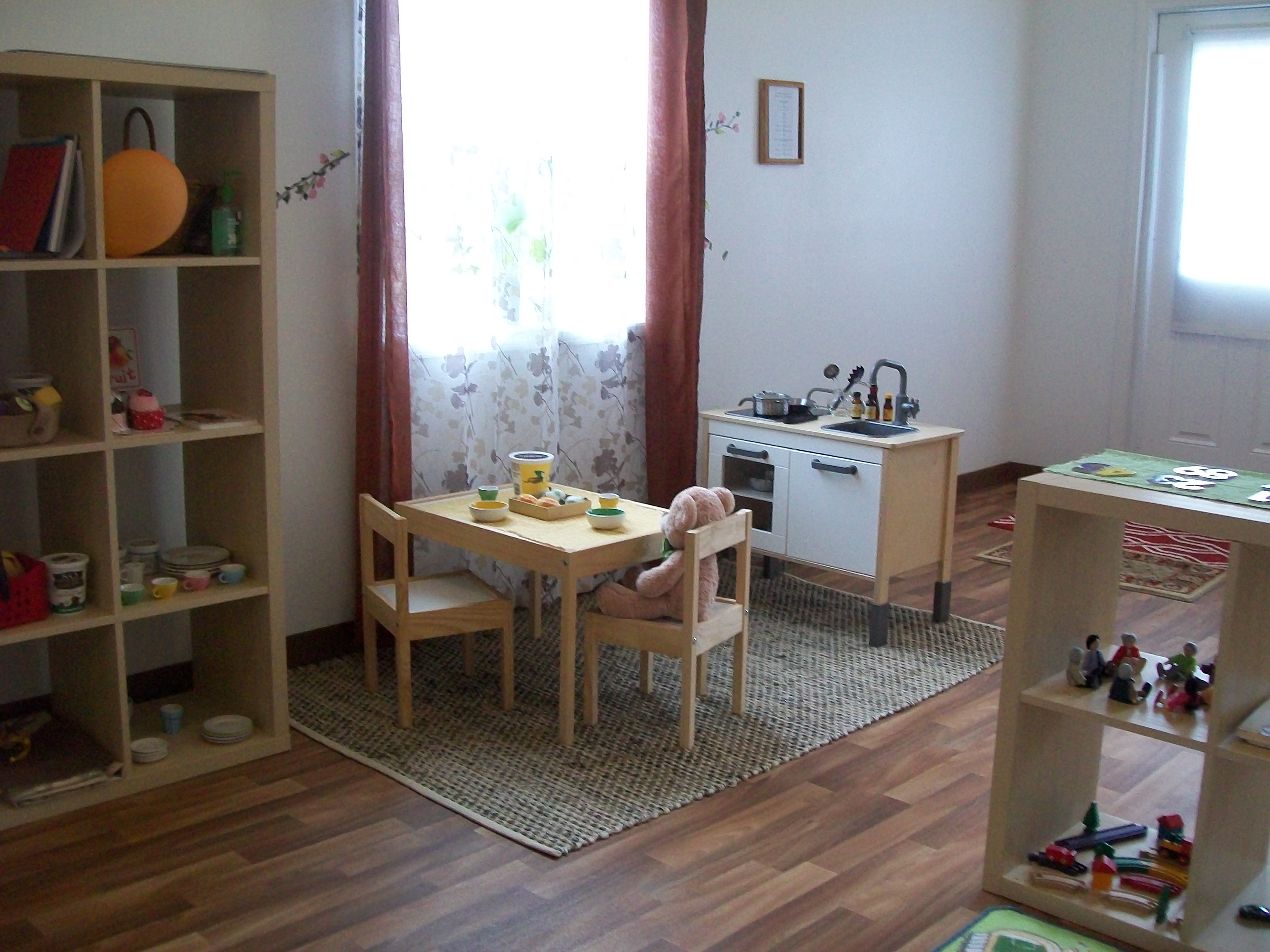
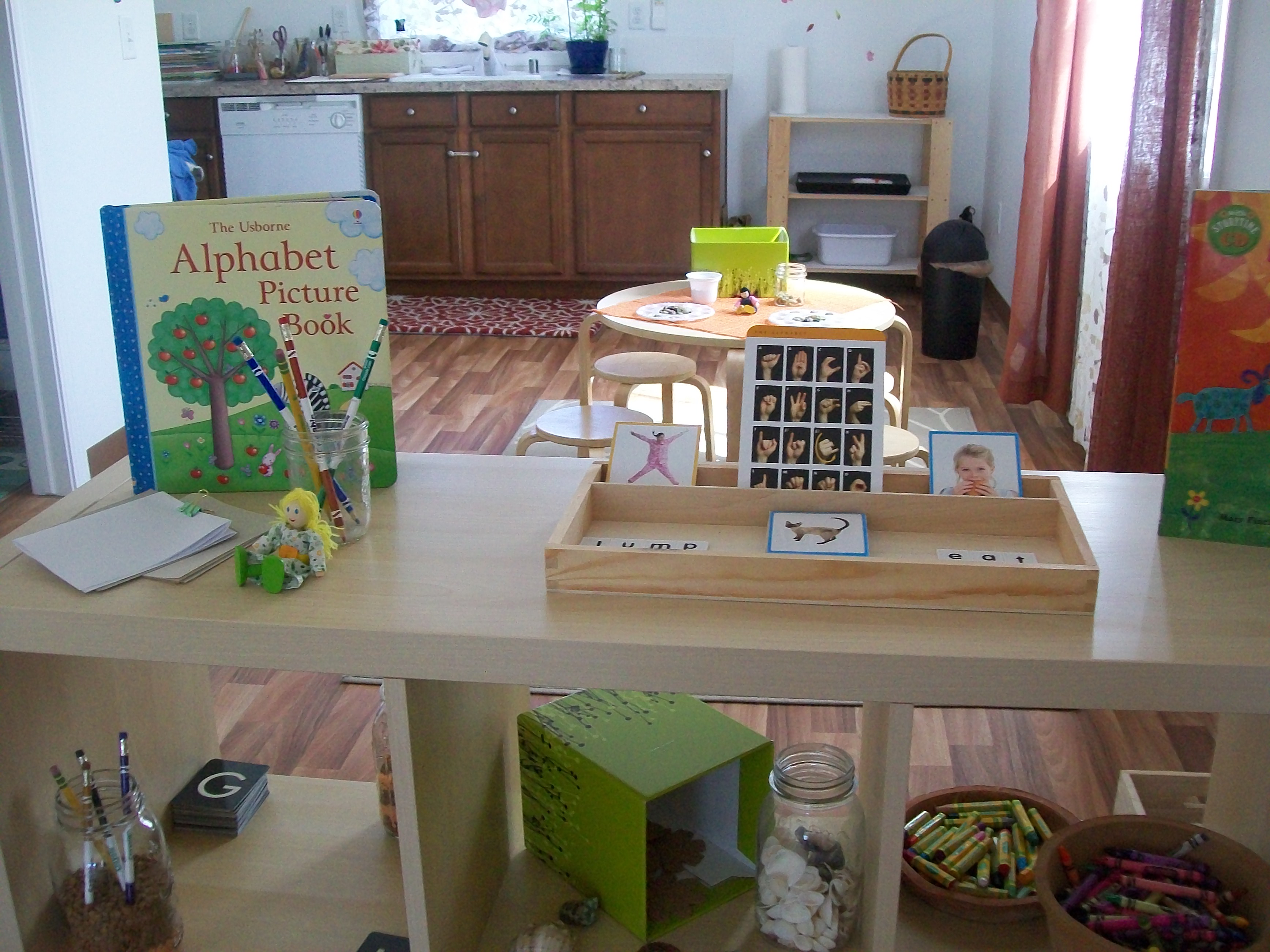
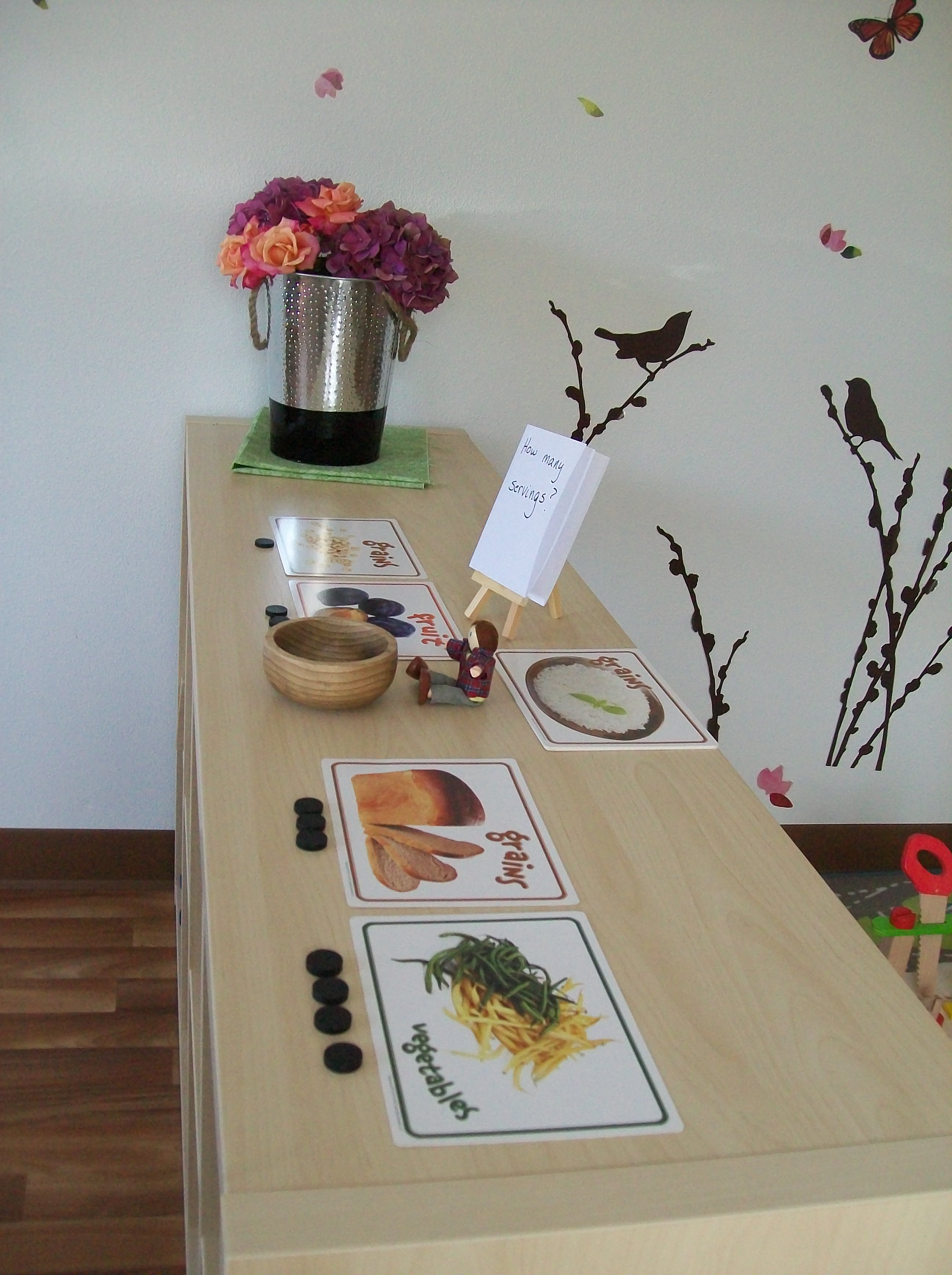
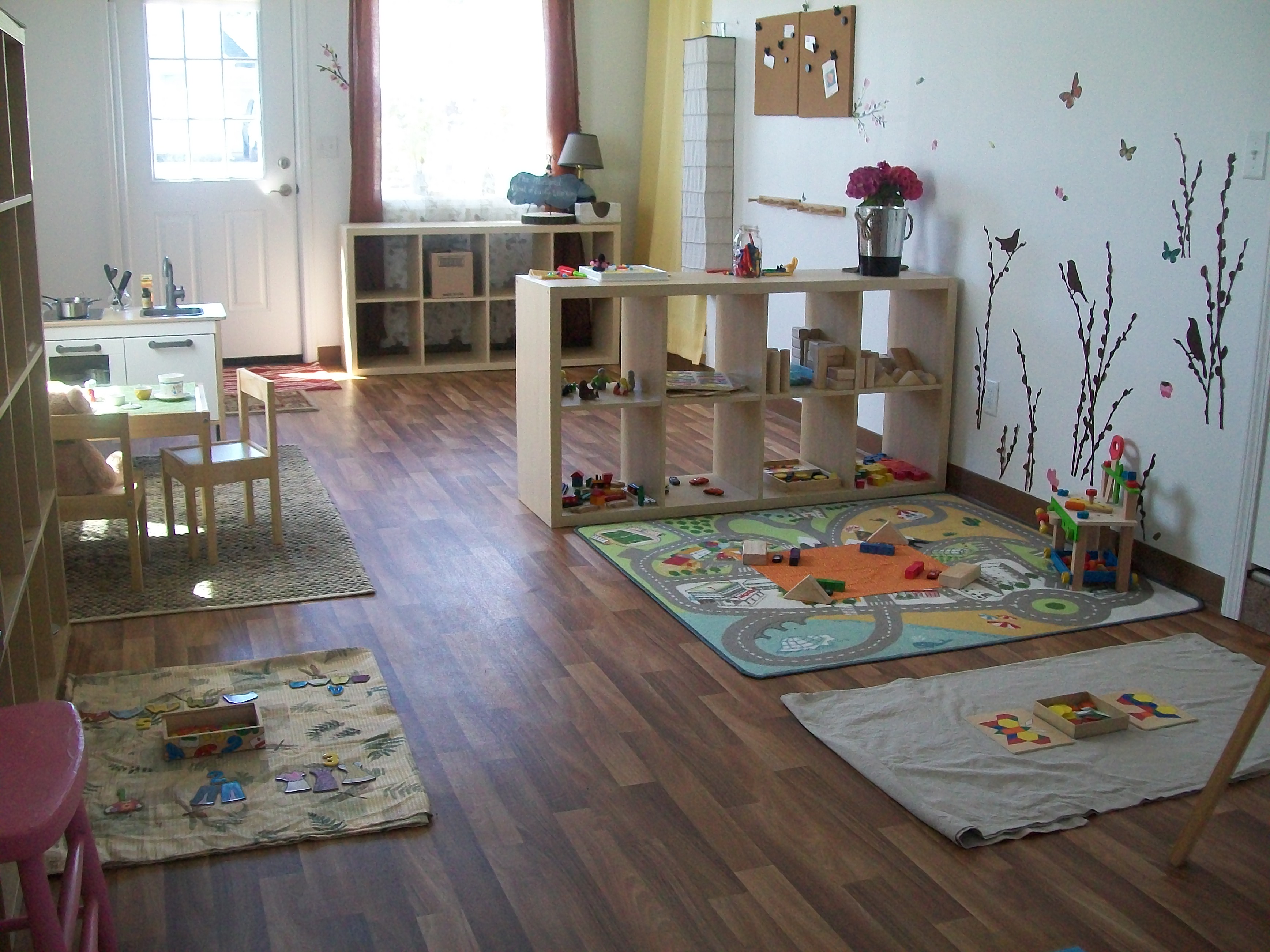 Creating my own preschool has allowed me to put to practice what I’ve been developing in my mind all these years. I am happy that my classroom will change with each group of children that comes through. My environment is a “third teacher” because I love putting the children’s learning needs ahead of my own desire for how the room should be. I change or keep things the same based on the patterns of play. If the room is not being fully used I change the provocations, move some of the materials to different interest areas and of course keep things the same for spaces that have been working for the children. Fortunately, the materials are very clear to see and easily accessible for children to find and use, so the classroom does get used in its entirety.
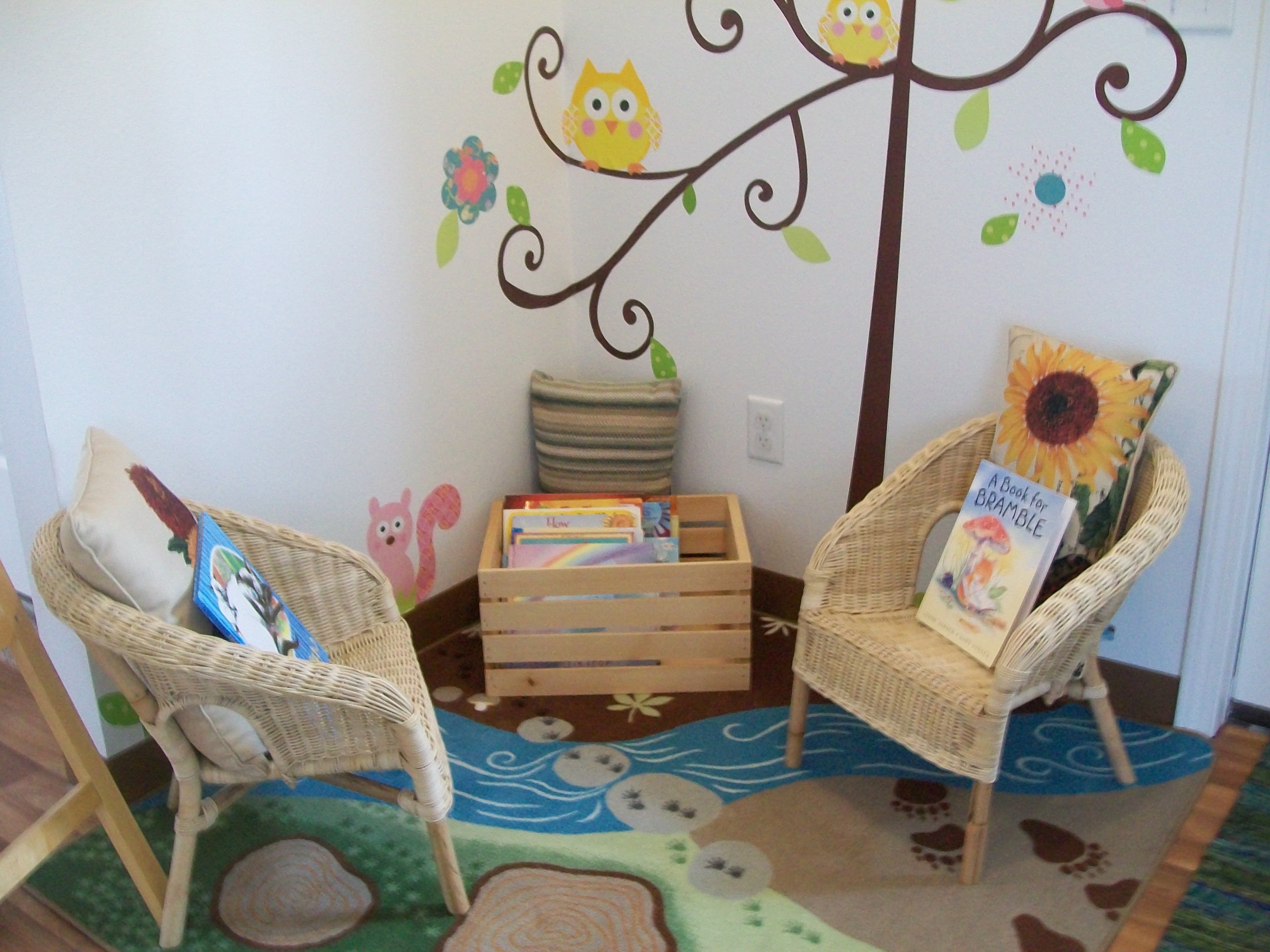
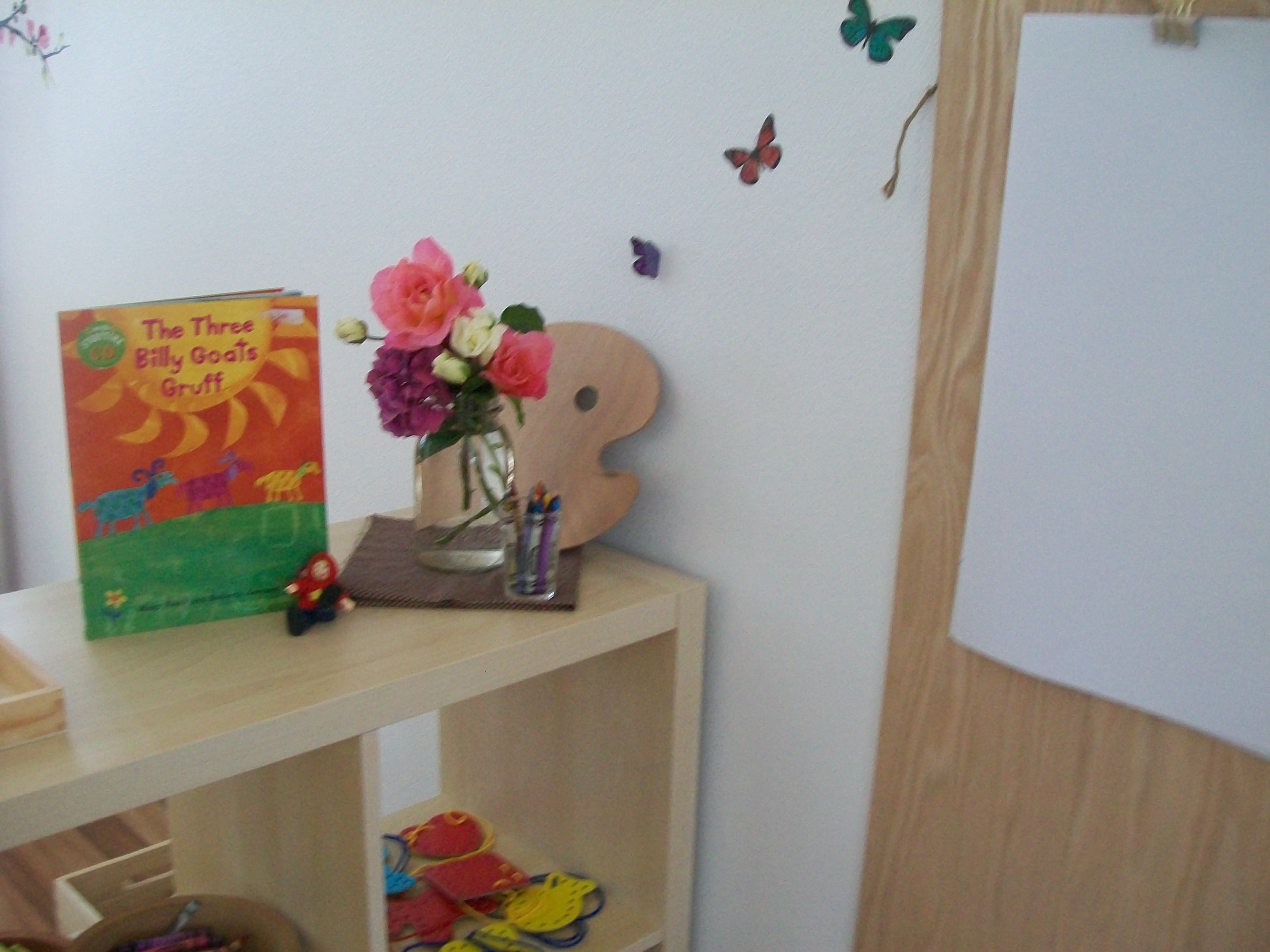
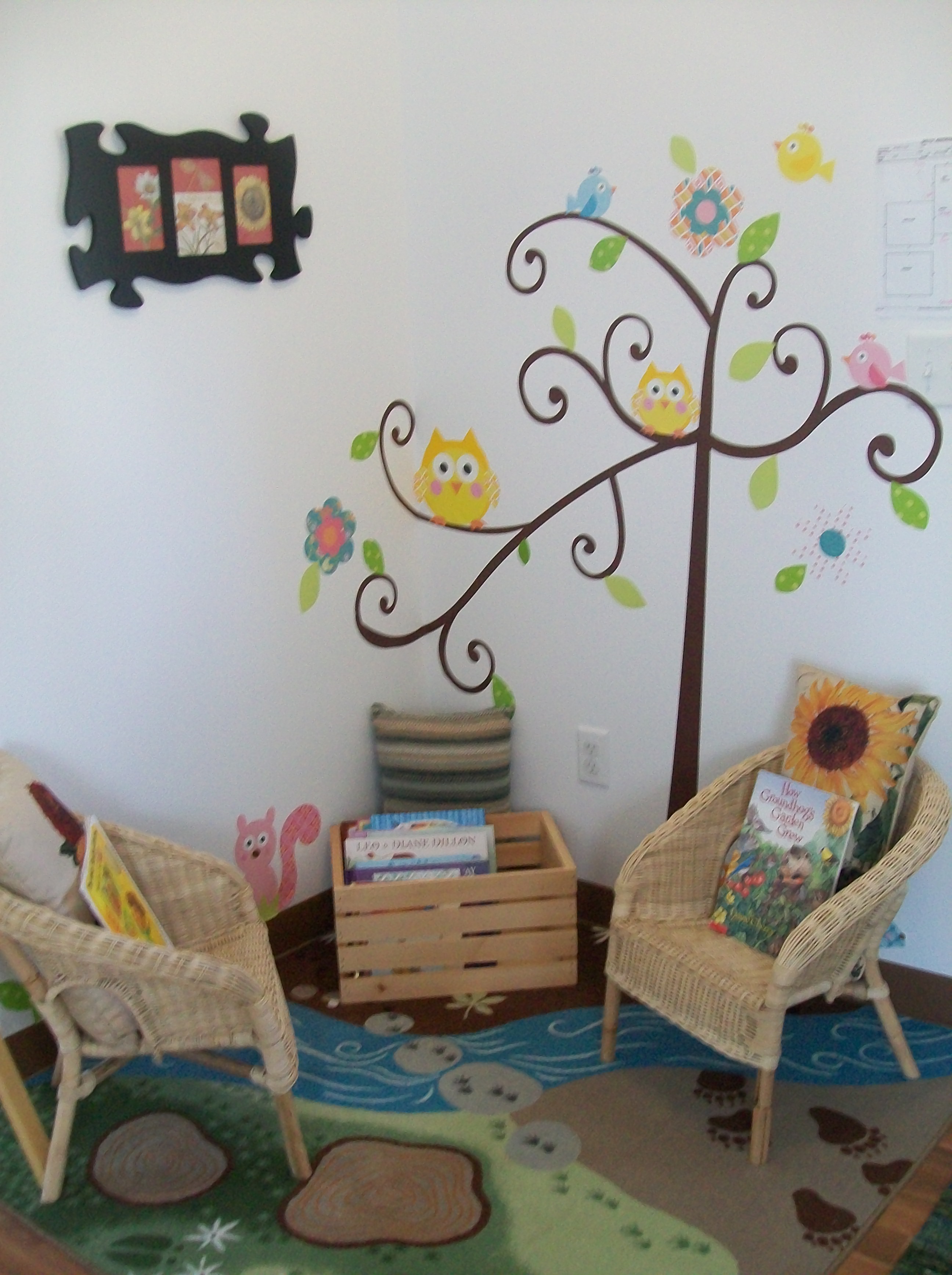
 Another aspect of the classroom being a third teacher falls under the category of too many materials and wall decor contributing to overstimulation, while less is not as overwhelming and more conducive to learning. I have found that children do much better in clean, well organized, and aesthetically pleasing environments than they do in clutter-filled rooms with way too many materials and wall decor. So I’ve made sure to keep the materials that are out and available to children at a minimal so that they do not get as overwhelmed as they normally would in a more traditional program with bright primary colors everywhere. (I don’t know about you, but when I go outdoors, shopping or am at home, I am not bombarded with primary colors in all directions like most traditional preschools and elementary schools.)
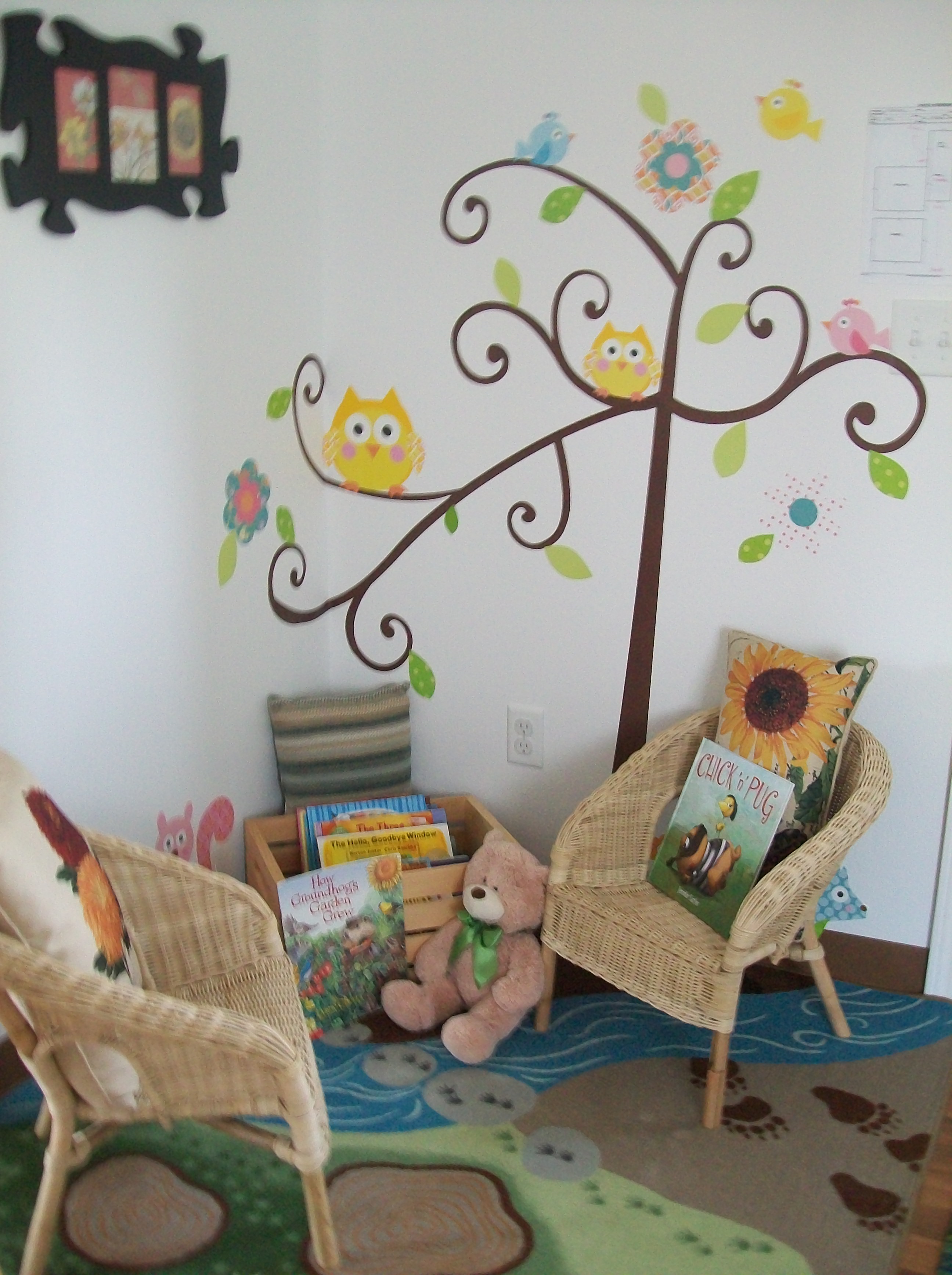 Keep in mind that when young children come to school for the first time or change school environments the entire process can be very overwhelming for young minds. It does take a couple of weeks for some personalities to adjust to any learning environment. The first thought most of us teachers have when we see a child overwhelmed and not able to choose a space and engage in that area for long enough to actually go through the inquiry and investigation process, is to guide that child and in essence tell them where they should explore first, second and so on. Basically, control how they assimilate the new information they have been hit with. Yet that would be awful for that child because that child needs time to explore in the only way a young developing mind can. Young children are not adults and they operate differently than we do. They have energy!! They have the capacity to assimilate quite a bit of information by moving quickly through new spaces and trying out everything they want. It is through this process that they are able to learn how to plan, make decisions, question, explore and engage in projects and interact with peers. A young child’s mind needs a couple of weeks of consistent class time to allow their brain to transform from the assimilation of new information. Once the child has been through this haphazard approach he/ she is able to slow themselves and become more engrossed in the areas of interst each choses. So we can gain a lot from each other!
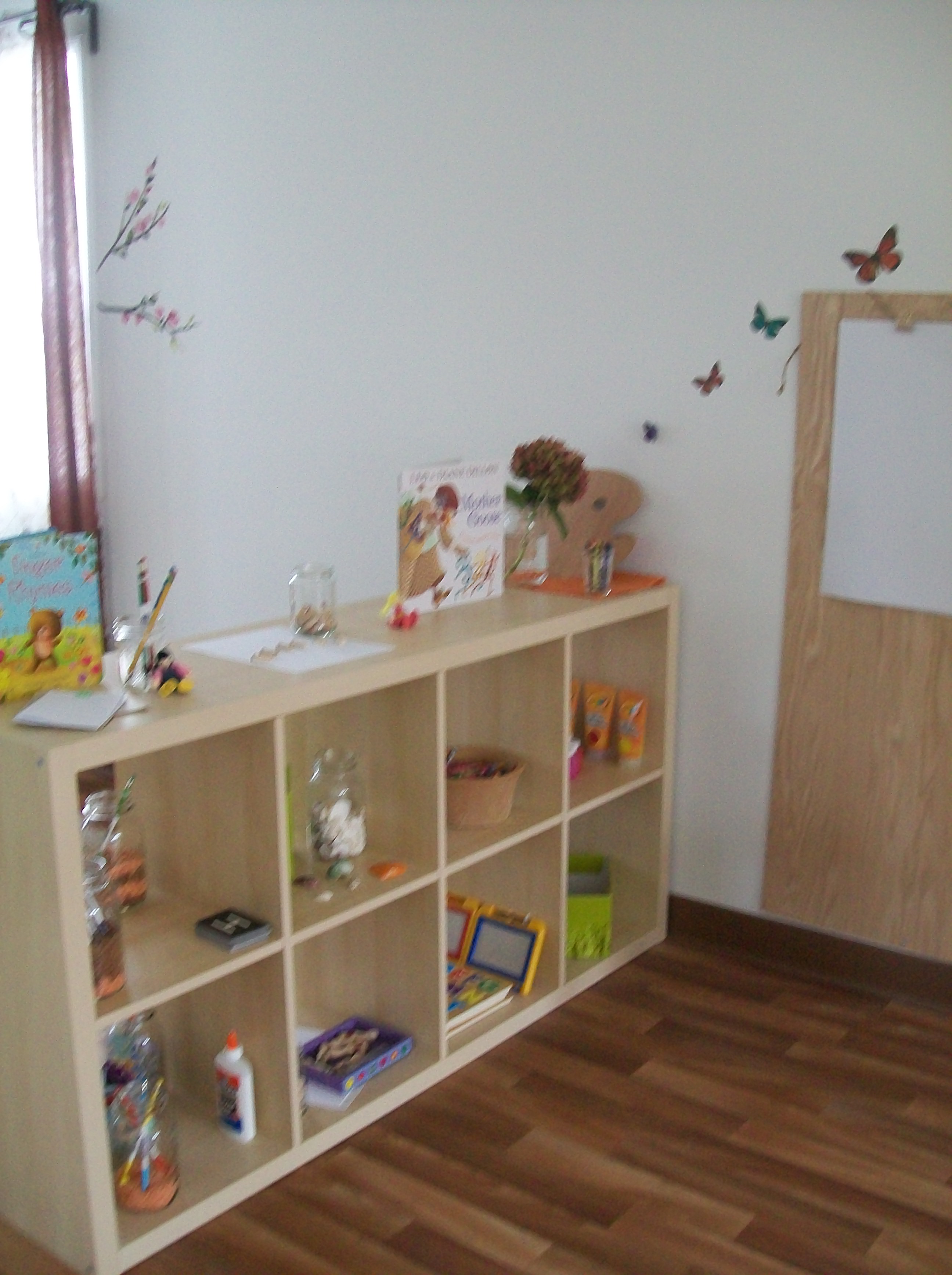 The environment as a third teacher is very helpful when children are becoming accustomed to new situations. As I’ve observed children in the beginning phase of taking in this new space, I have been able to gain information about those children’s interests, believe it or not, so I can set up provocations the next day that may entice each to spend a little more time in certain areas than they would have during this period of time in which they were acquiring new knowledge. Last school year I had a little student become super energized and excited to explore every inch of the classroom, but once this child gained all the knowledge from rapid explorations she settled right into planning the areas she enjoyed engaging in first , second and so forth. And as a teacher inspired by the Reggio Emilia process, I was so happy to learn from her as she went through this journey. I have observed many other children during this assimilation phase being treated as though they have either a learning disability or behavioral issue. And that makes me so frustrated because this phase is normal development and most of the human population actually did go through this either at home, a friends house, at school and most definitely if they moved to a new city. The duration in which children go through this phase of rapid and haphazard assimilation is different for each child, but please know this is absolutely normal and perfectly okay!
  How has your teaching or understanding of children changed since using your classroom as a third teacher? How has your perception’s of your children changed as parents using your home as a third teacher? Please comment, like and share! Let’s keep these conversations going! :)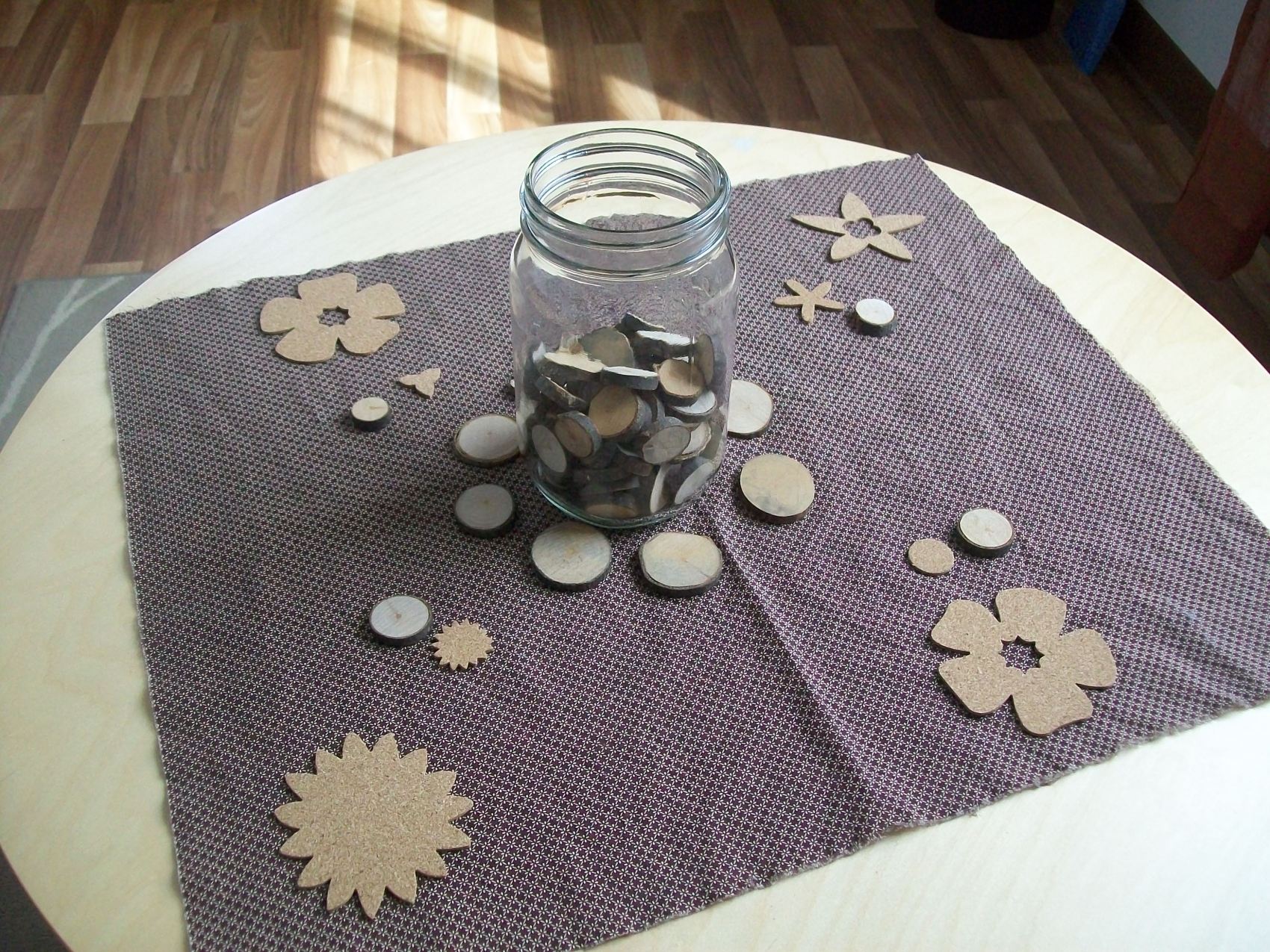









 The Marigold School of Early Learning