

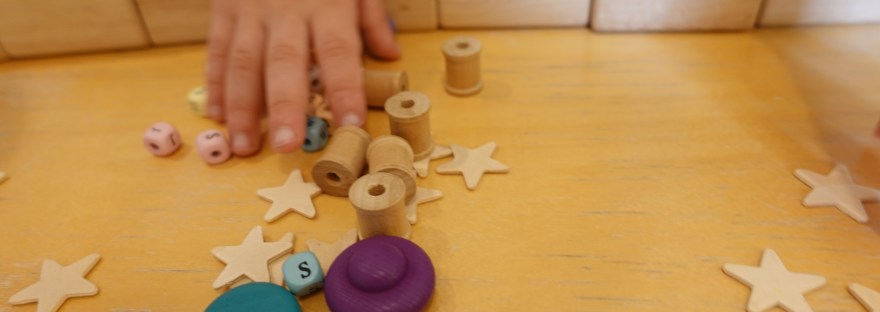
Part #4 “Fine motor skills/ development in the early years” series.
Supporting children in the early years who show a consistent interest in printing objects they find fascinating, their name, and their family’s names, etc., should be supported in their desire to learn. This does not mean forced skill-based exercises in tracing letters, numbers, and words. Really, who is happiest to see these tracings? Adults, not so much children. Adults teach children to value those tracings. There is an array of early learning educational theories and practices in our society, and you must choose the one(s) you want to expose your child to as they mature. Supporting young children’s desires to print/ write comes from giving them the time they choose to practice. Here are some ways you can support your young child who wants to learn how to print/ write early. You will notice I encourage parents to join their child and engage in these experiences together. You are not engaging in direct instruction, but rather engaging in these meaningful experiences, bonding and learning how your child learns through the process of each, rather than seeing a finished product or being told about it.
- Engage in putting puzzles together as a team or treat it as family fun. Choose low-count puzzles at first and increase the number of puzzle pieces as the interest and ability increase.
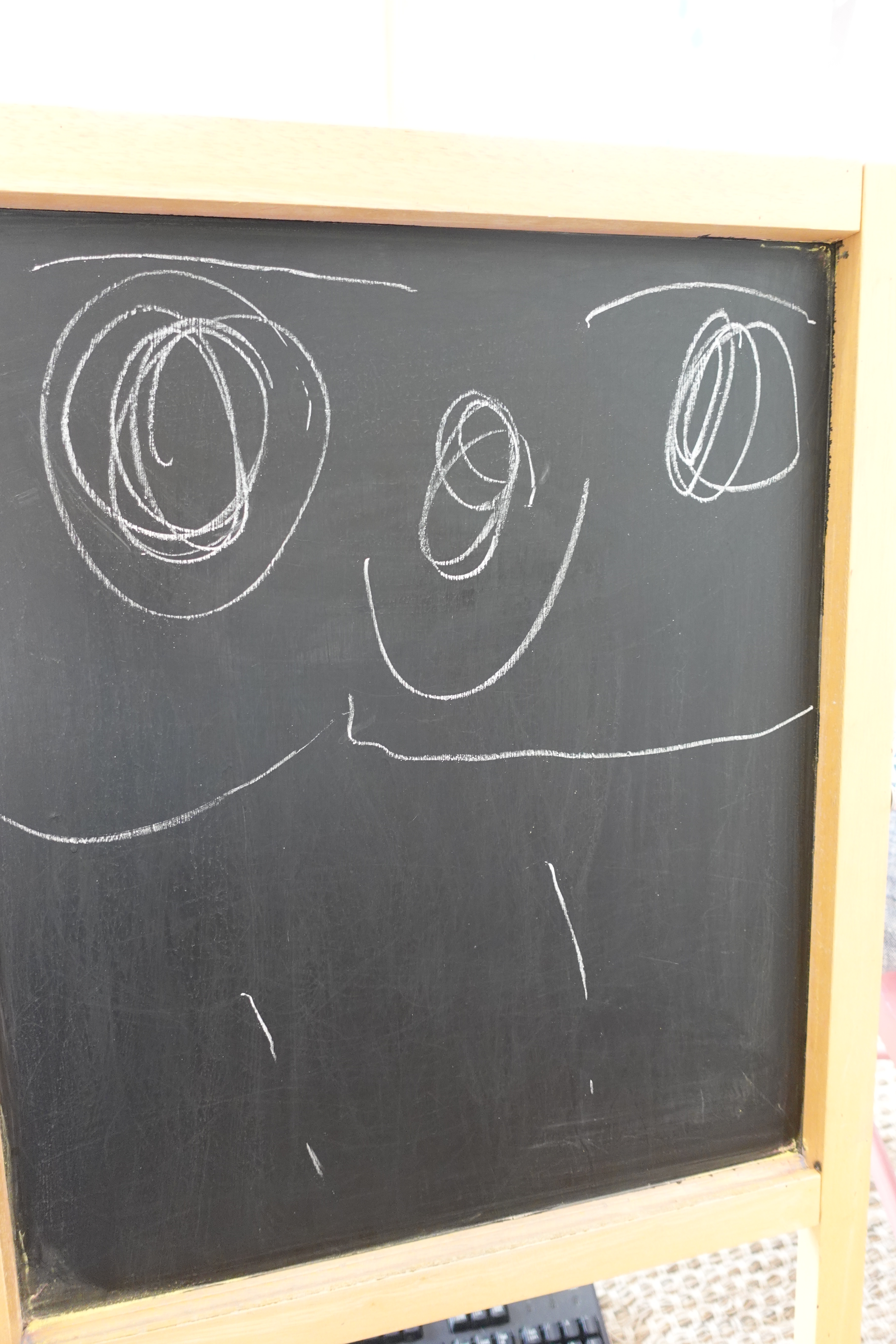
- Draw together
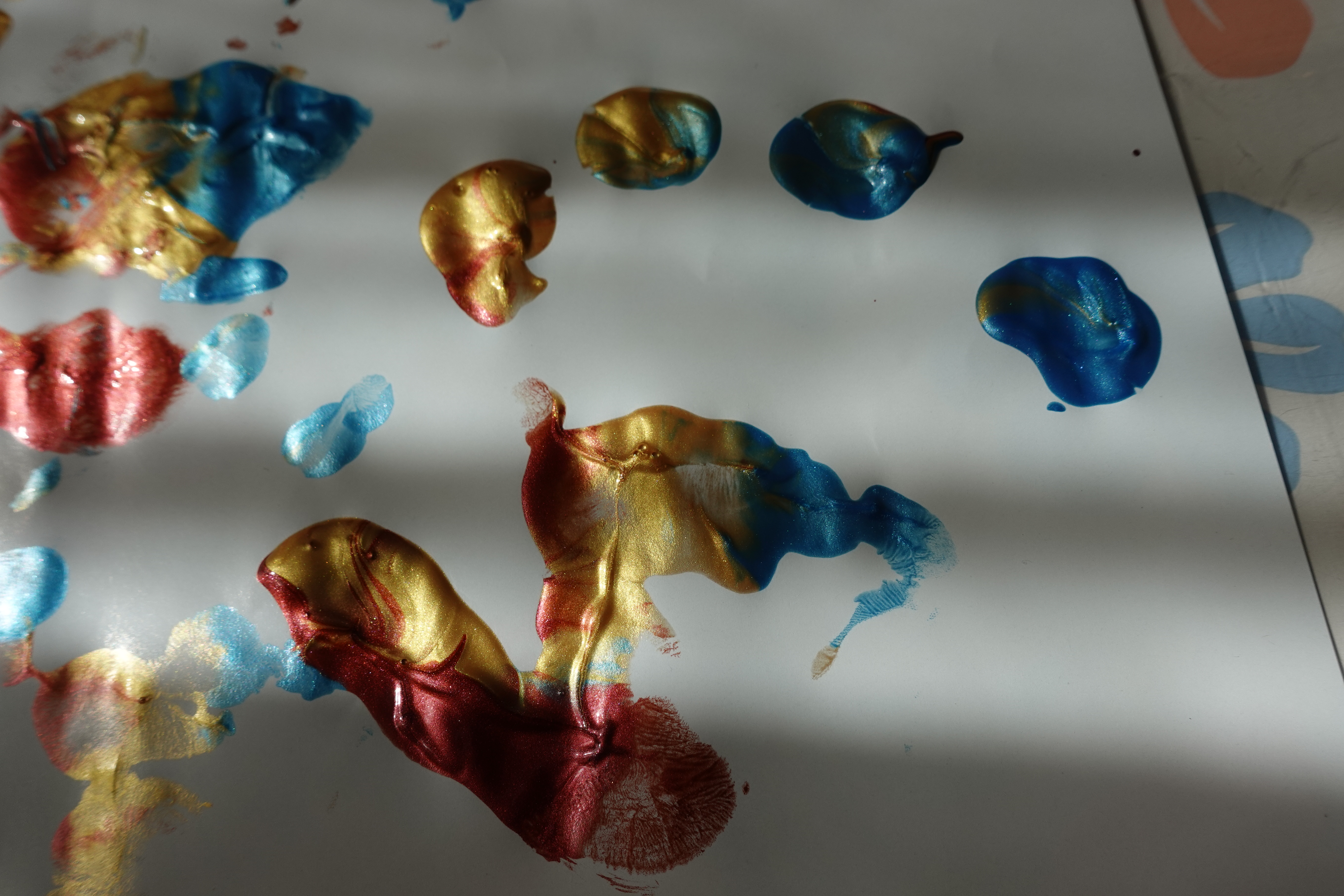
- Paint together
- Model how to draw the first letter of their name, and move on to other letters as they show interest
- Engage in scissor use together
- Provide playdough and clay for your child, along with tools for carving and cutting. (I do not support the use of cookie cutters at this time. Let your child build and exercise their fine motor muscles. And allow them to build confidence in their own ability to sculpt. Playdough and clay have their own period of scribble to symbolic form. Respect your child’s fine motor developmental journey.)
- Provide the space and accessibility for your child to engage in all the above independently.
- Pay close attention to how your child reacts to their first, second, third, and so on, attempts to form abstract letters and numbers. Do not praise or over-praise when your child is disappointed, but point out what you liked about their work, validate how they feel about their attempt, and encourage them to try again.
- Provide more opportunities for your child to practice printing/ writing with you and idenpendently.
- Accept whatever they have created without judgment. Young children have a journey to go through to learn how to print/write successfully, so as long as they are happy with the results of their hard work, that is good enough.
- Pay attention to the process and not the end result. Your child is learning through the process. The end result is not where the learning is taking place.
- If your young child communicates that they know they are not printing/ writing “correctly”, ask them if they want help, and support them if they do, but step back if they do not want help. Your child may take time away from printing/ writing to engage in other interests, and this is perfectly fine and aligns well with their individual developmental journey. They may not show interest in printing/ writing for months, and that is okay. There is no rush to learning the printed word in the early years of three to five.
- When your child is clearly printing/ writing, you will see all that lovely work, and you will understand and appreciate the journey they took to get to that point.
- And most importantly, THERE IS NO RUSH! Slow down, and allow your child to go at the pace they are demonstrating to you. Support your child, but do not demand or push them. Allow your child to show you what they want and are capable of doing. Respect the human you are raising.
The above list does not cover every aspect of this topic. I am only adding a small portion to this posting. There are books and articles in large quantities that are written on this topic. I just wanted to put out there some of the basics I want to share.
Please share some of how you are supporting your child’s fine motor muscle development and interest in printing/ writing. I would love to hear what you are doing and what your child is enjoying!
Learning is supposed to be fun, enjoyable, practical, and creative! Let’s push back against people who want regimented, boring, and abusive ways of learning, and embrace and promote open-ended and creative ways to learn! :)
See parts 1,2 & 3
Heidi Scott, BA & MIT





 The Marigold School of Early Learning