Category: A journey with The Marigold School of Early Learning
A Journey Through Dialogue
I would like to introduce you to “S and A”, two little girls who go to The Marigold School of Early Learning. Below is a conversation that took place in October between two children, ages four years and two months, and four years and four months, engaged in their daily rhythm of play.
Animal play is common among young children as they explore different perspectives and experiences. It also serves as a way for children to continue their learning journey, communicating in a variety of ways. The socialization process is complex, and the dialogue below showcases a brief moment in time when two young children engaged in their favorite dramatic play, portraying a cat and a dog.
After the dialogue, I will take us on a brief journey for you to see the deeper meanings behind what these two young minds are truly engaged in during their dramatic play. Please enjoy this brief Marigold moment.
S-Cat sounds, crawls on all fours. “Meow.”
A – “Barky”.
Both are engaged in animal play. S takes on the role of a cat, while A takes on the role of a dog.
S, “Are you nice to cats or no?”
A, “I’m a nice doggy.”
S, “Cats eat fish.”
A, “Okay.”
S dumps toy food, and A gives her a fish.
A, “Messy kitty, help me clean this up”
A, “This doggy is a fishy cooker! Bark, bark!”
S, “These are only cat friends.” The stuffies.
A, “I’m cooking.”
S, “I’m meow at cut fish finds. Now, can you cook me one?” (Not too sure what S was trying to say here.)
A, “Ah, oh-uh. Candy.”
S, “Cats don’t eat candy.”
A, “This is for cat food.”
S, “I need it in bowls so cats can eat it.”
A, “Yeah, but I am recipe.”
S, “This cat eats cheese and bananas. So I’m putting it in there to make it really yummy. A, Is that okay?”
A, “Yeah,” Ms. H asked A a question to clarify for S.
A, “It’s for hard days.”
S and A interact with each other, come together, separate for a while engaging in their own projects, then return together.
S wags her tail and meows.
A, “I’m still busy making food.”
S tries to explain, but doesn’t make sense due to using kitty vocabulary.
A, “This for so many guests. I’m still making it.”
S, “Yeah, but I want you to make fish food for all my babies and me.”
A, “I’m making fish food for you and the babies.”
S appeared to not listen or understand A’s words and started to argue, but it fizzled. Ms. H explained A’s previous words to help S understand that A is making cat food for her babies and her.
S wants Ms. H to notice her cat dance.
A, “Hey, you designed these toys so they don’t break. I think you glued them on. Something like that.” She holds a soup ladle. A is directing her thought to me, Ms. H.
A, “Your soup is done, kitty!”
S, “Meow.” A hands her a large sink full of soup. (The toy kitchen sink!)
A, “There you go, kitty, for your kittens. Here, let me help you move it. It’s for your babies.”
S, “Cats don’t like cats.”
They meow-hiss and bark at an ant crawling on the floor. (A & S)
A, “Well, my dog Bubba stepped on an ant. And he got really mad at his owner and scared E, because his paw got wet when they washed it.” (A recounting of a memory with her dog and her dad.)
S sings, “Meow-Woof!”
A and S look at the baby ant on the floor!
S, “Ant friend! Then we were in an ant family!”
A,”Let’s do a race!” Ms. H suggests sitting on pillows so they slide better.
A, “Hey, S! Wait for me!”
S, “Meow’s” ten times.
A, “Woofs” ten times.
Let’s explore the complexities of the scenario from above. The first aspect of this dialogue happens when S initiates play with A. The second aspect arises when S and A assume animal roles, such as S playing the role of a cat and A playing the role of a dog. S takes on an extra role, being a cat mother with kittens, while A takes on the role of a cook, making food for the momma cat and her kittens.
As both S and A figure out how to create this story together while staying in character, they each carve out the specific responsibilities they want to take on for their story. S wants to be a mother cat with kittens, and A wants to cook for the cat. While figuring out these separate yet interwoven roles, there is a bit of confusion on feeding and when, but with continued communication between meowing and barking sounds, S and A figure it out.
An interesting second aspect is that S asks A if she is a nice doggy. This is a good question to establish at the beginning of this dramatic story, because it determines the proceeding storyline. Asking this question also clarifies each child’s role a bit more at the start.
The dialogue shows their thinking in progress! While S and A are engaged in developing this dramatic story together, they are still maintaining some form of control and separate responsibilities. S is responsible for being a mother cat and taking care of her babies, while A is responsible for cooking food for them to eat. These separate responsibilities enable both S and A to divert their attention from one another to focus on interests they choose while still keeping their storyline in the background. When A discusses how she thinks I have made the toys non-breakable with glue, she is clearly taking some time to voice a divergence from the main story. (I have not glued any of the toys A is using.) When S starts meowing and not talking, she is clearly taking a break from communicating and acting out her joy of being a cat. These are moments that are brief but allow for each child to continue processing ideas for their co-storyline. When they returned their attention to the story, some confusion came into play, and I chose to assist.
A’s mind once again takes a divergence when she recalls a family dog memory and relates it to both her and S finding an ant crawling on the floor. Like all people, young children see things that spark memories, and they voice them. A was still focused on the dramatic story, yet she wanted to share her memory, and it related to both the ant she was watching and the dog role she was acting out.
Is this a form of complex play, and does this prove meta-cognition? Yes, the above dramatic play story is a form of complex play, specifically cooperative play. Both A and S have equal roles and equal responsibilities as they contribute to the storyline.
I would say, yes, this is an example of metacognition happening in the early years, at age four to be precise. The reason I say this is that both children actively engage in communication while acting like animals and taking on extra roles within that framework. S is a cat, yet she is a momma cat with lots of kittens to take care of. She is actively seeking a place for them to be safe, and what and how to feed them. A is in the role of a dog, yet she is also a chef making food. The extra responsibility she took on as a chef is making food for the momma cat and her kittens. Through the communication and role play process, both A and S have listened, compromised, negotiated, come up with solutions, and most importantly, modified their communication technique and accommodated the other child. Both A and S were aware of what they were communicating and only had trouble one time with listening to each other. When both were actively listening and expressing their ideas and opinions, they demonstrated their ability to rethink and reexplain their intentions for the dramatic story many times. The children were aware of their own thinking and modified how they interacted with each other, not just based on what the other child wanted, but how they believed they could best achieve their goals for the story. A and S also gravitate towards what they enjoy best and what they know how to do. Being aware of the things they each do well is part of metacognition, understanding their weaknesses and strengths. In this case, both children rely on their strengths, and that makes this cooperative venture so successful.
Now,is this a perfect example of metacognition? No, it is not, but preschool children are capable of cognitive abilities normally only given credit to children seven and up. Please keep in mind that I am their teacher, and I also know my students well, and may see things that someone reading about this encounter for the first time, and knowing nothing of the children, may not agree with my perspective. I am at an advantage, yet I hope I am conveying how complex and important young children’s play is to their learning and development. And that “play” is not just a word; it is a term that encompasses many aspects of complex learning.
When to assist? This is not always an easy decision. Yet, while observing, listening to S and A, and asking questions to understand their dramatic story, I was able to determine when my assistance, and the key word here is ‘may,’ help with some minor misunderstandings. After clarifying by repeating what A said, S was able to move forward in the story, feeling as though her story idea was being respected.
Should I interrupt their story to prevent a conflict? Preventing a conflict also interrupts social and emotional learning. In this scenario, my preventing a misunderstanding from turning into a conflict was simply to keep their story moving. If both S and A persisted with more dialogue similar to arguing, it would mean that both children have strong opinions, want to be heard, and equally want to figure out how to accommodate each other. This is complex learning, which I have no right to interrupt. Yet, I am there to make sure both S and A are being respectful to each other through not just words, but physically. In no way do I want to allow this deeper learning to turn violent and defeat the purpose of all they have accomplished together.
Is this cooperative or group play? Can these two forms of play exist for two children? And what are the similarities and differences between the two forms?
Before I answer the first part of this question, I want to address the third part: the similarities and differences between cooperative and group play. Cooperative play is when young children work together by discussing, listening, sharing diverse ideas, working through disagreements, problem-solving, negotiating, and finally compromising. This type of socialization promotes deeper learning, respects each child’s autonomy, their right to learn, and recognizes the complexity in working with others.
Moving on to Group play. Group play is where children are working on the same project or dramatic story, yet they are not necessarily contributing equally. There can be a chosen leader of the group, and all other members have varying degrees of ownership and responsibilities in the group. This form of play is important for children just as cooperative play, yet it focuses on the differing roles children will take, with there being, normally, a chosen and agreed-upon leader of the group directing play. And each child’s participation in the group ranges from minor to major contributions.
To answer the second and then first part of the question above, yes, these two forms of social play can happen with just two children present in class, or two children who have separated themselves from the larger group. The essence of group play happens frequently with A and S. It will start out with S and A playing near each other, yet separately. Both children are interested in what the other is engaged in, so they keep their ears perked to what each is doing. Then S and A will quickly move to group play, where S or A interacts with each other on the same storyline, yet with different roles and responsibilities. Generally, the one with the dramatic play idea will take the lead, but not always. If this form of play is cooperative play, both children will have equal say in each aspect of their dramatic story. If this is group play, each child will have a different role and level of responsibility in contributing to the dramatic story.
Stay tuned for more blog posts that take a closer look at children’s dialogue and the meaning behind it. Please let me know your thoughts. And, thank you for stopping by! :) Ms. Heidi

Protected: October Moments! 2025-2026
Protected: September Moments! 2025-2026
September Nature Blog! 2025
Nature Through Artistic Expression
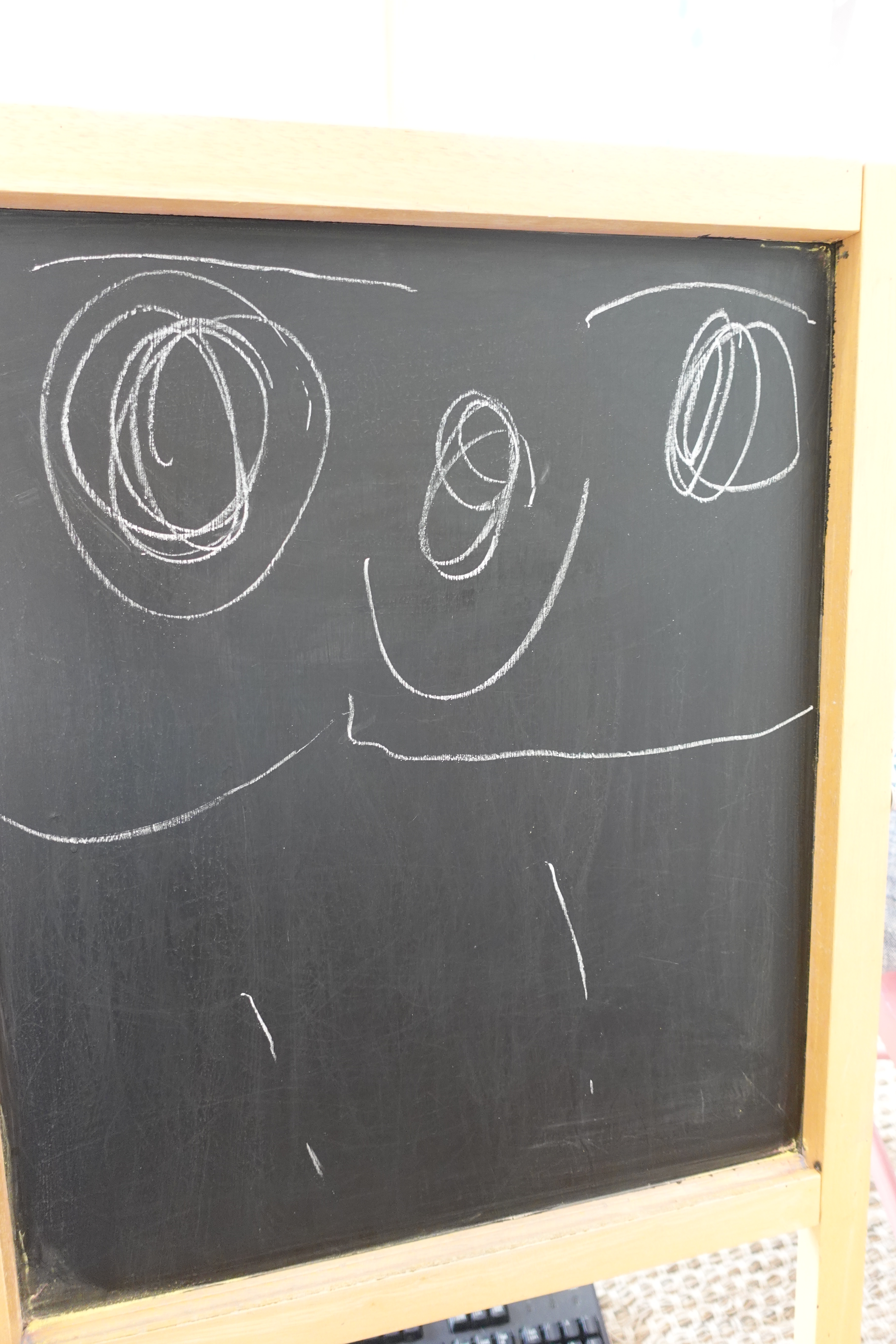
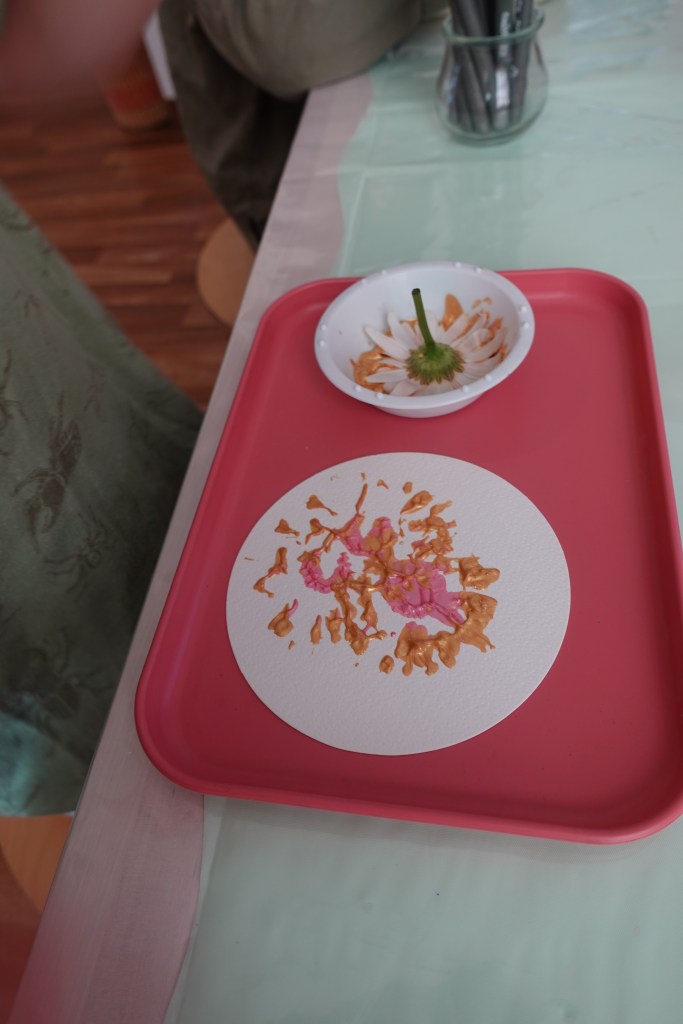
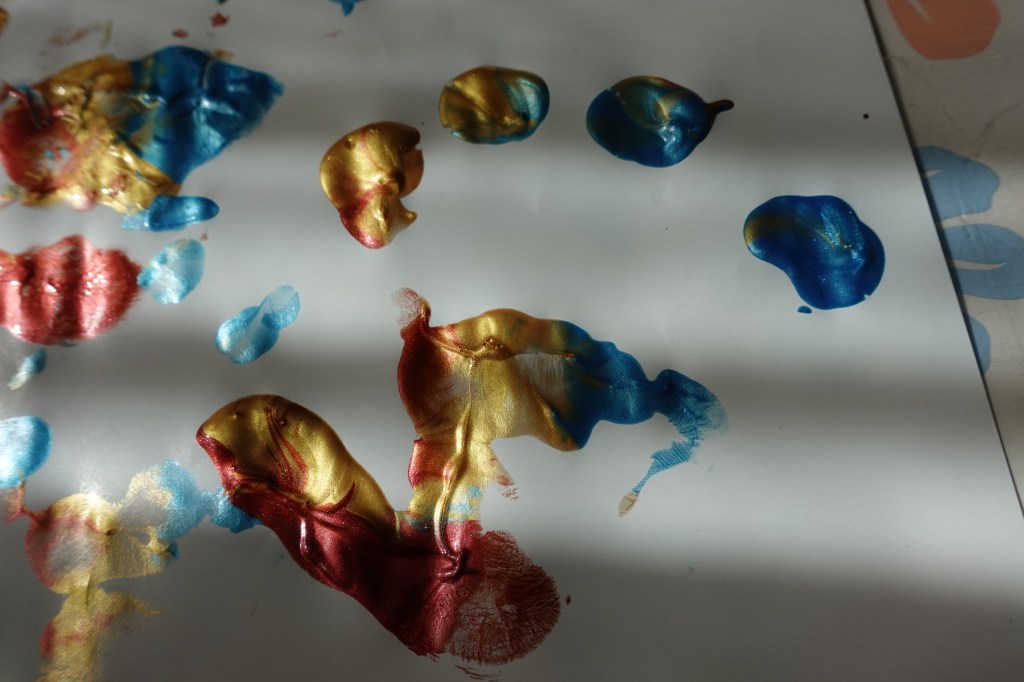
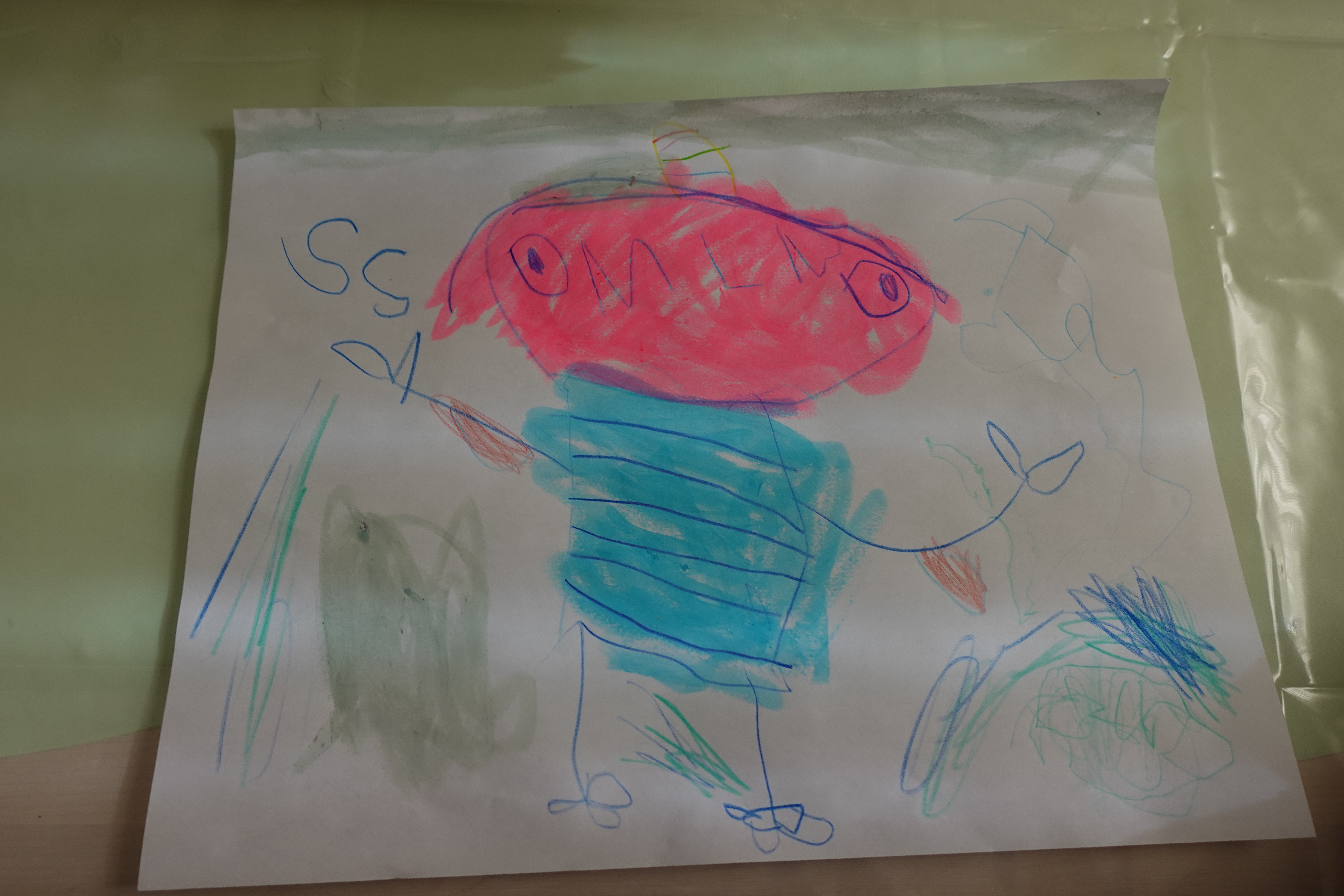
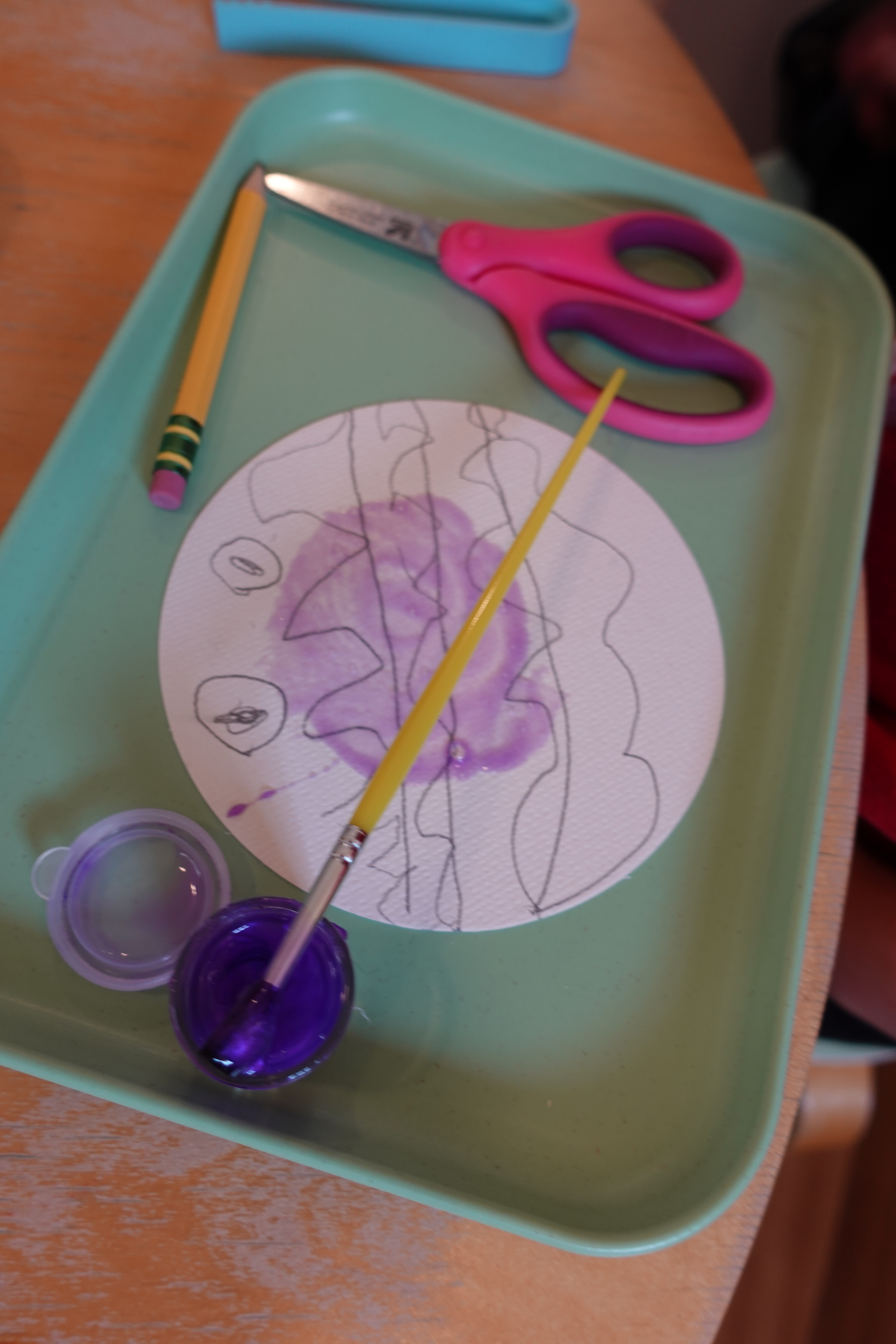
Scribble form is the first form of drawing/ writing in young children. The first markings from small grasping hands will bring a child on a lifetime journey of writing and reading. Bringing nature indoors and using aspects of it as either a visual representation that sparks an artistic idea, or using parts of the plant itself to create the art piece, are two important examples of how children will transfer what they know to different art mediums.
What is the purpose of using nature in art?
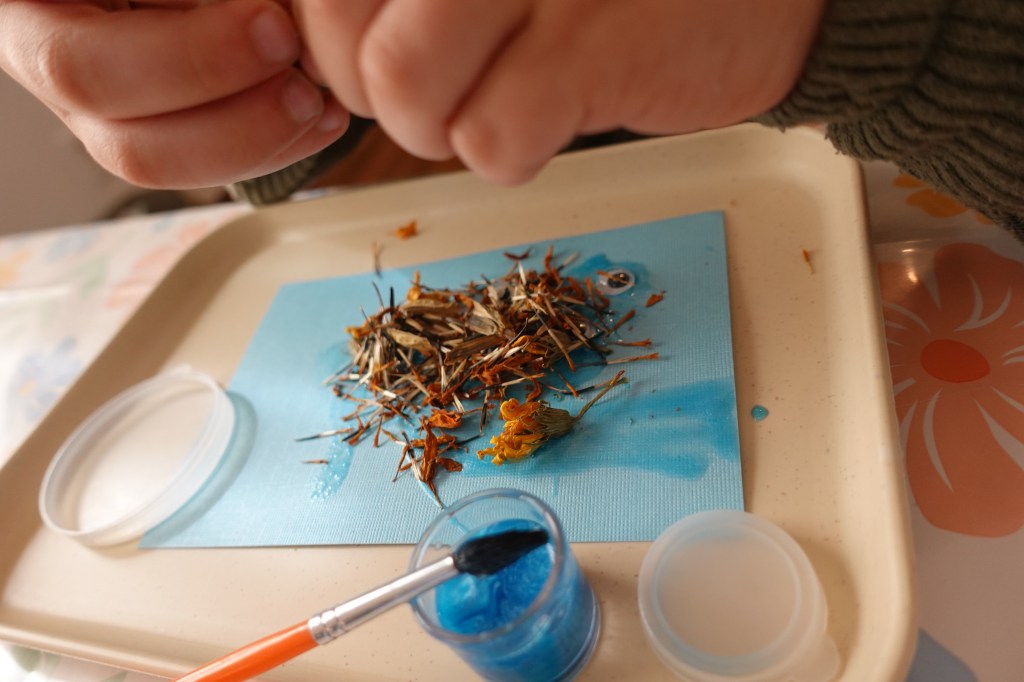
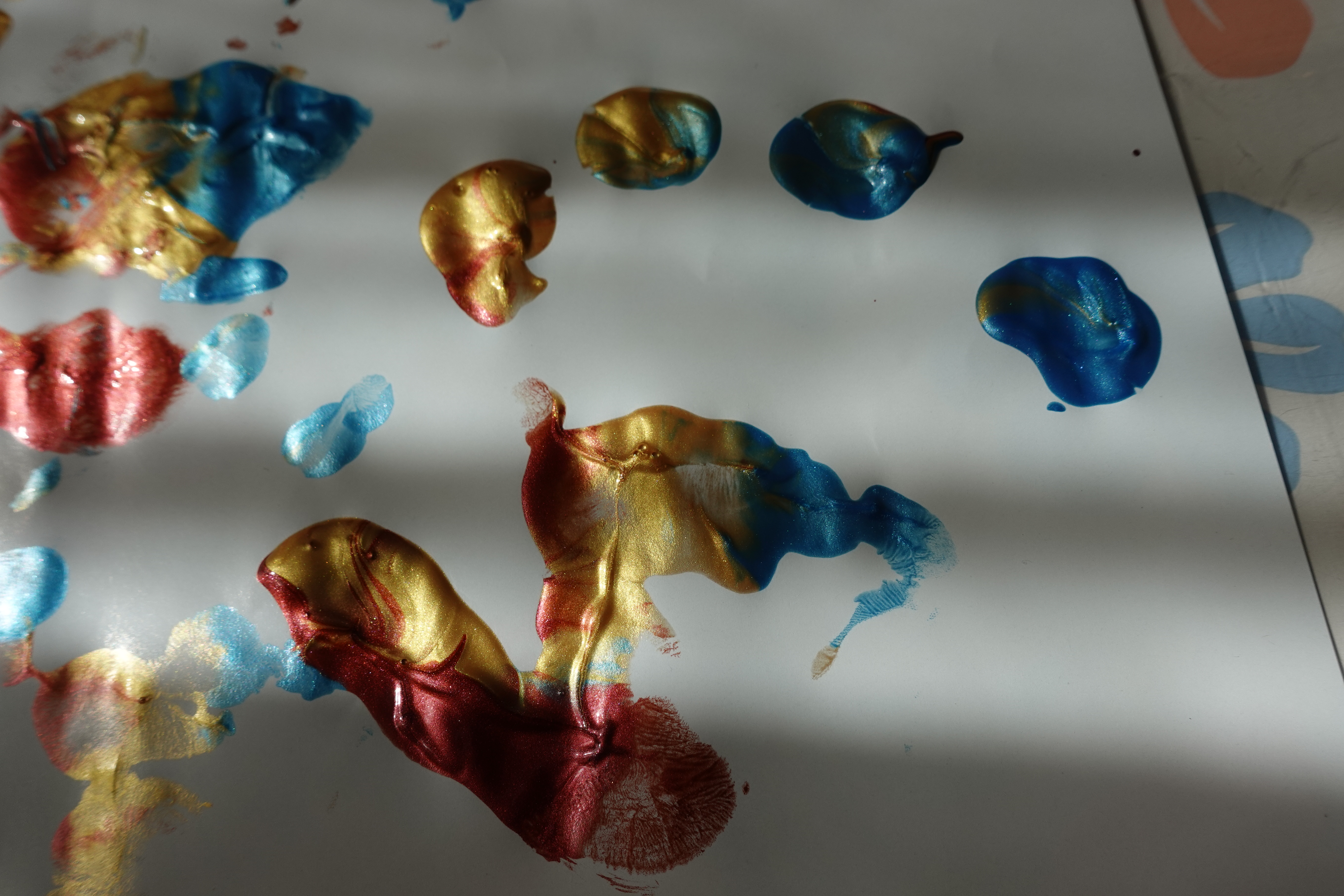
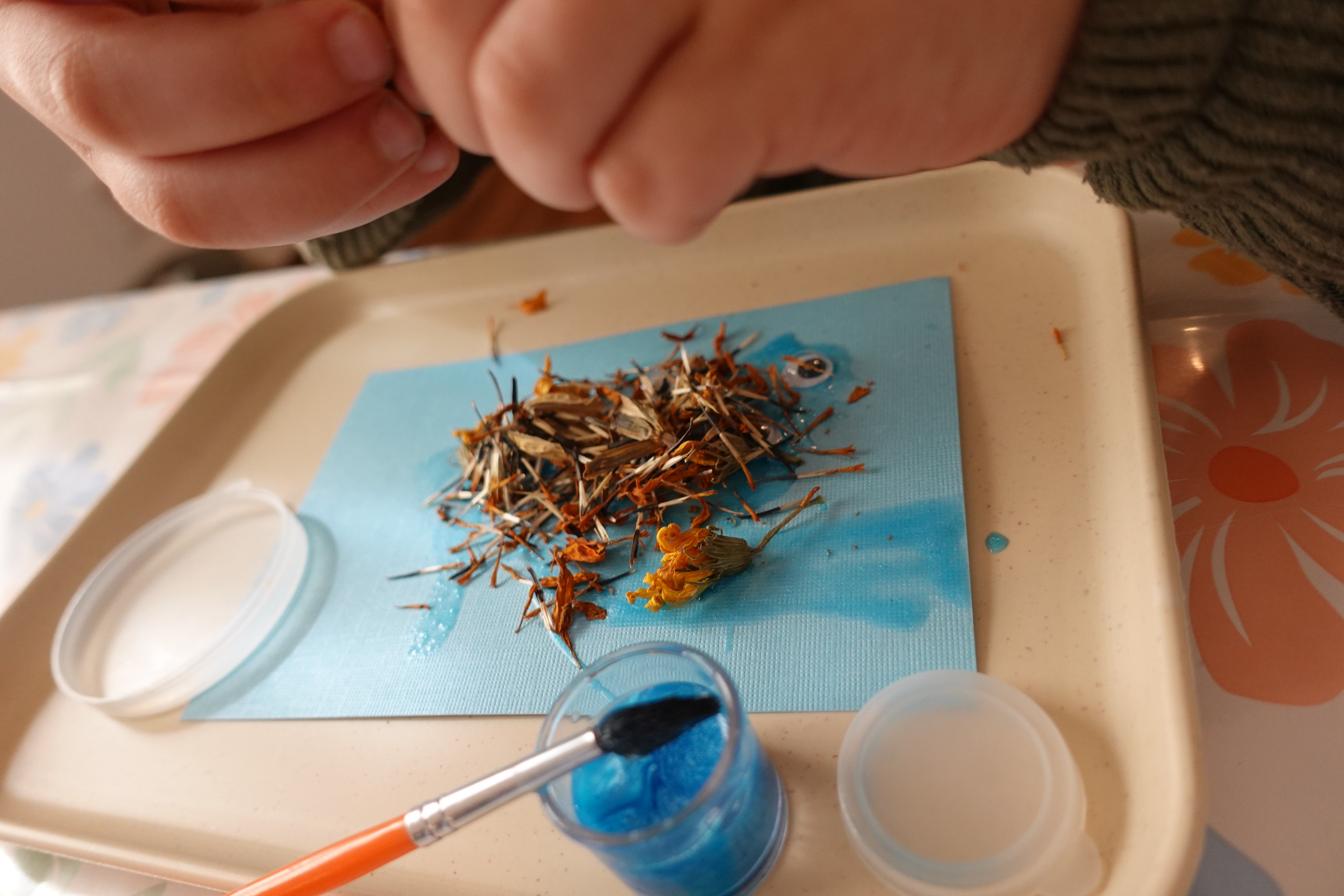
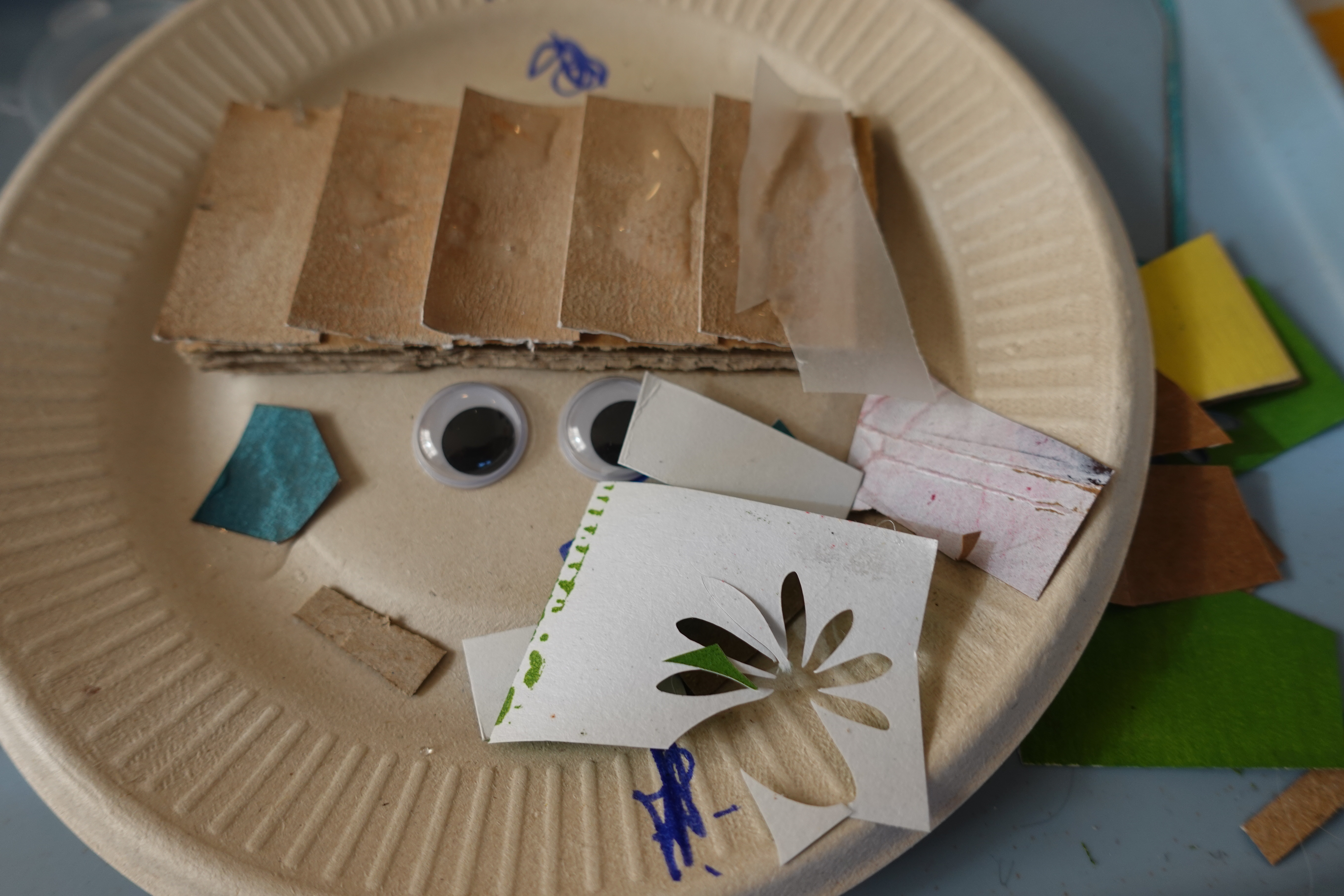
In the pictures above and below, you see us utilizing flower seeds and dried flower petals. We are incorporating another possible art medium to figure out how to use while expressing our creative side.
For young children, the more they can explore different textures, colors, shapes, and sizes, the more opportunities they have to broaden their understanding of our physical world. Marigold dried flowers and seeds offer three different textures and colors in one flower. The children can see the earth tone colors with the muted green and golden yellow/ brown of the dry leaves, and then contrast that with white and black stick-like seeds. Adding googly eyes and colored glue gives children another open pathway for creating an artistic expression of their own.
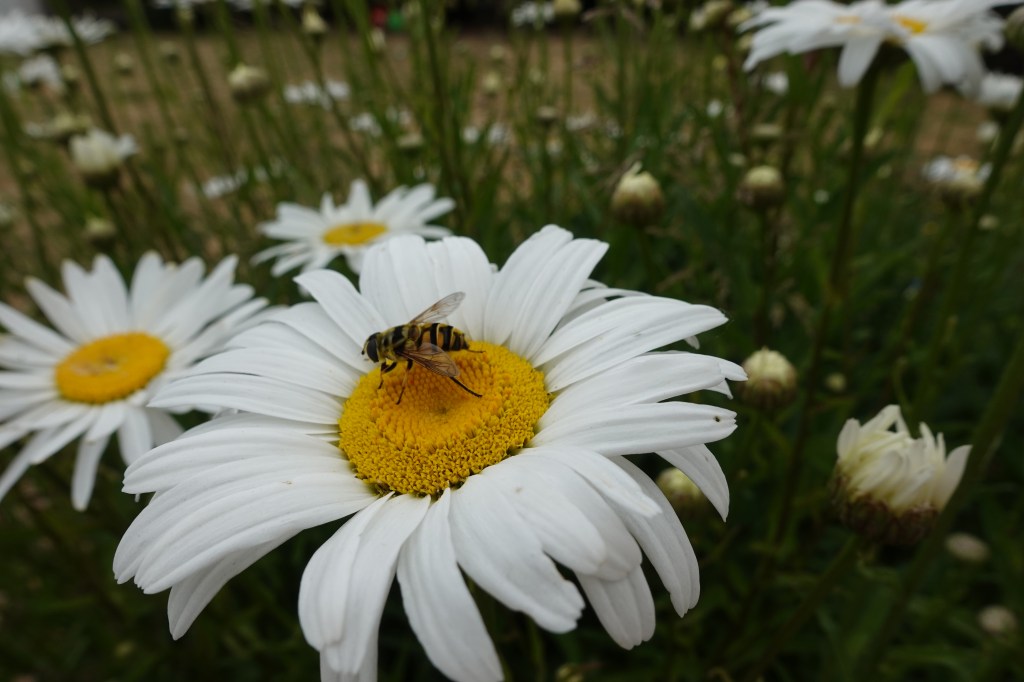
Exploring the parts of a flower and observing how that flower grows and changes during its lifetime is something large to ponder. When the children see freshly blooming marigolds and then scrutinize dried marigold flowers with seeds, they are noticing a drastic change in that plant’s lifetime.


Heidi Scott, BA & MIT

September 2025 Blog! #4
Part #4 “Fine motor skills/ development in the early years” series.
Supporting children in the early years who show a consistent interest in printing objects they find fascinating, their name, and their family’s names, etc., should be supported in their desire to learn. This does not mean forced skill-based exercises in tracing letters, numbers, and words. Really, who is happiest to see these tracings? Adults, not so much children. Adults teach children to value those tracings. There is an array of early learning educational theories and practices in our society, and you must choose the one(s) you want to expose your child to as they mature. Supporting young children’s desires to print/ write comes from giving them the time they choose to practice. Here are some ways you can support your young child who wants to learn how to print/ write early. You will notice I encourage parents to join their child and engage in these experiences together. You are not engaging in direct instruction, but rather engaging in these meaningful experiences, bonding and learning how your child learns through the process of each, rather than seeing a finished product or being told about it.
- Engage in putting puzzles together as a team or treat it as family fun. Choose low-count puzzles at first and increase the number of puzzle pieces as the interest and ability increase.
- Draw together
- Paint together
- Model how to draw the first letter of their name, and move on to other letters as they show interest
- Engage in scissor use together
- Provide playdough and clay for your child, along with tools for carving and cutting. (I do not support the use of cookie cutters at this time. Let your child build and exercise their fine motor muscles. And allow them to build confidence in their own ability to sculpt. Playdough and clay have their own period of scribble to symbolic form. Respect your child’s fine motor developmental journey.)
- Provide the space and accessibility for your child to engage in all the above independently.
- Pay close attention to how your child reacts to their first, second, third, and so on, attempts to form abstract letters and numbers. Do not praise or over-praise when your child is disappointed, but point out what you liked about their work, validate how they feel about their attempt, and encourage them to try again.
- Provide more opportunities for your child to practice printing/ writing with you and idenpendently.
- Accept whatever they have created without judgment. Young children have a journey to go through to learn how to print/write successfully, so as long as they are happy with the results of their hard work, that is good enough.
- Pay attention to the process and not the end result. Your child is learning through the process. The end result is not where the learning is taking place.
- If your young child communicates that they know they are not printing/ writing “correctly”, ask them if they want help, and support them if they do, but step back if they do not want help. Your child may take time away from printing/ writing to engage in other interests, and this is perfectly fine and aligns well with their individual developmental journey. They may not show interest in printing/ writing for months, and that is okay. There is no rush to learning the printed word in the early years of three to five.
- When your child is clearly printing/ writing, you will see all that lovely work, and you will understand and appreciate the journey they took to get to that point.
- And most importantly, THERE IS NO RUSH! Slow down, and allow your child to go at the pace they are demonstrating to you. Support your child, but do not demand or push them. Allow your child to show you what they want and are capable of doing. Respect the human you are raising.
The above list does not cover every aspect of this topic. I am only adding a small portion to this posting. There are books and articles in large quantities that are written on this topic. I just wanted to put out there some of the basics I want to share.
Please share some of how you are supporting your child’s fine motor muscle development and interest in printing/ writing. I would love to hear what you are doing and what your child is enjoying!
Learning is supposed to be fun, enjoyable, practical, and creative! Let’s push back against people who want regimented, boring, and abusive ways of learning, and embrace and promote open-ended and creative ways to learn! :)
See parts 1,2 & 3
Heidi Scott, BA & MIT


September 2025 Blog! #3
Part #3 “Fine motor skills/ development in the early years” series.
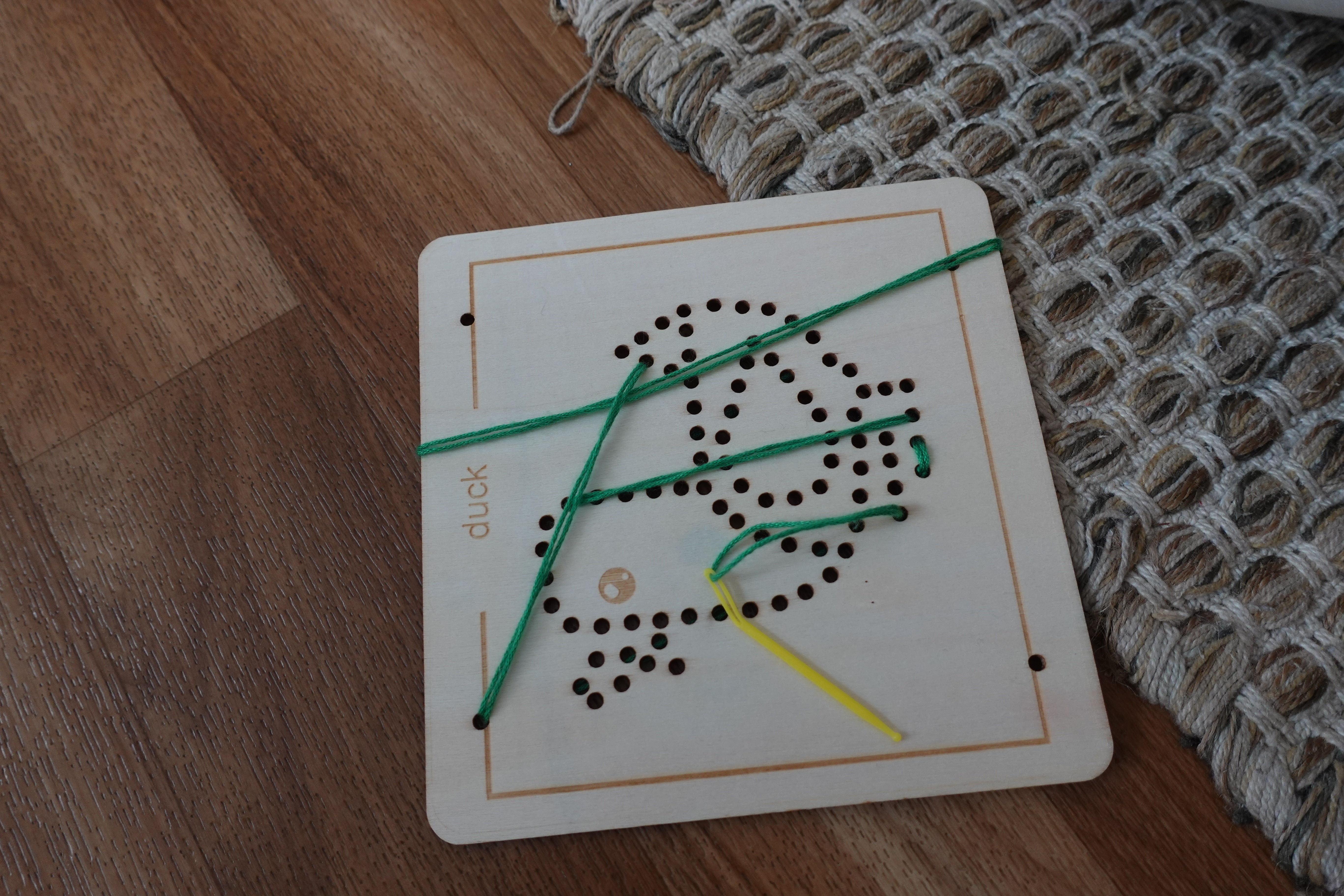
Lacing cards (see part #1) no doubt help young children support the healthy growth and development of fine motor muscles. It is also a good way to see where a child is on that developmental pathway. When young children lack advancement in their fine motor muscles, they lack the ability to control the needle and thread to twist, turn, lengthen, and shorten the thread to complete the picture as is. The intent for where the thread is aimed, the length of the thread before entering another hole, and how the string is crossed show how much growth and experience are needed in this area, or what is not needed. Wherever a child is on their fine motor skills developmental pathway is a positive thing. I love seeing early stages of sewing, because it gives me, as a teacher, information I need to know about what my students can do in this moment, and it reminds me to pay attention and document these expressions of ability so I can see and support the growth with appropriate challenges as the year progresses.
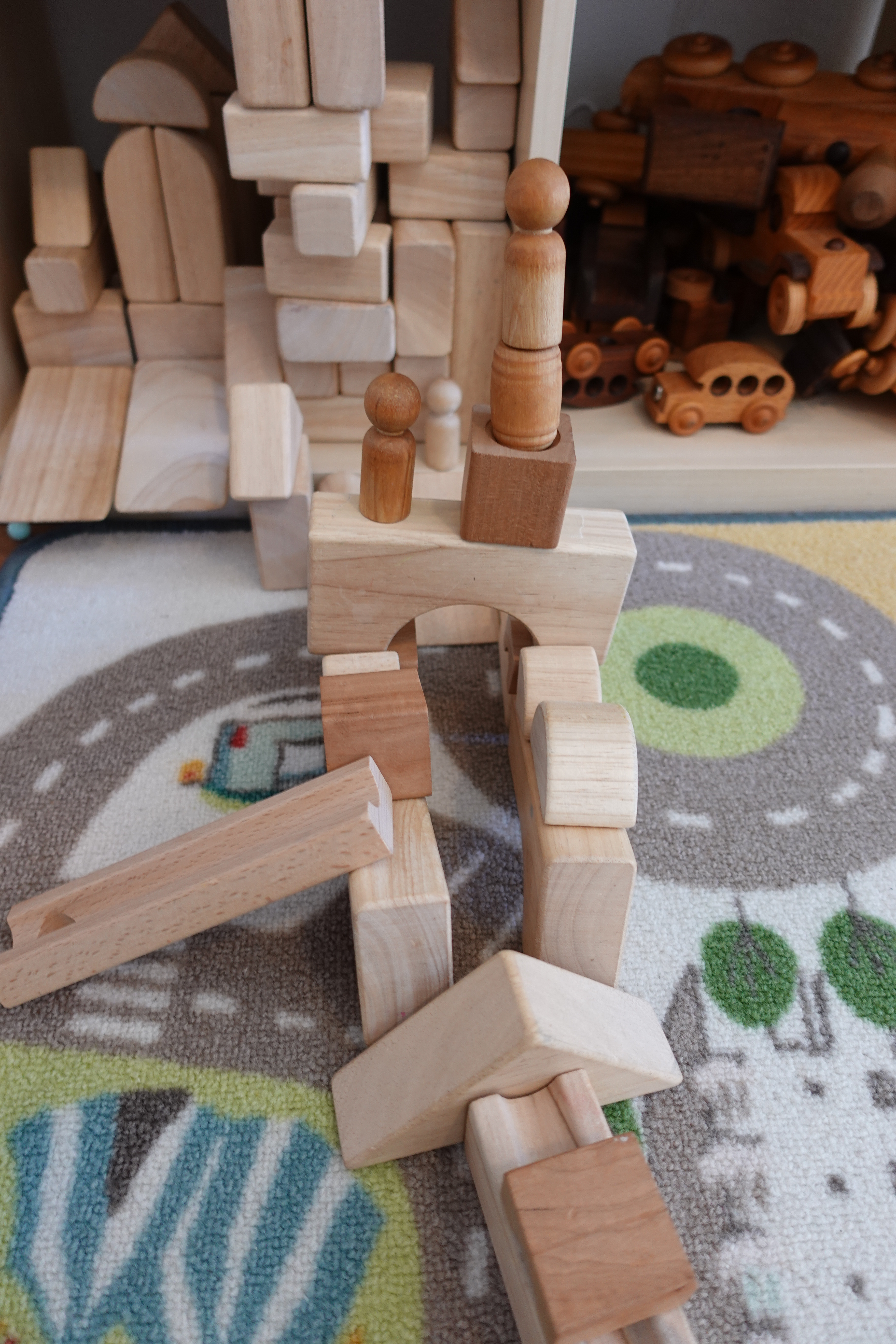
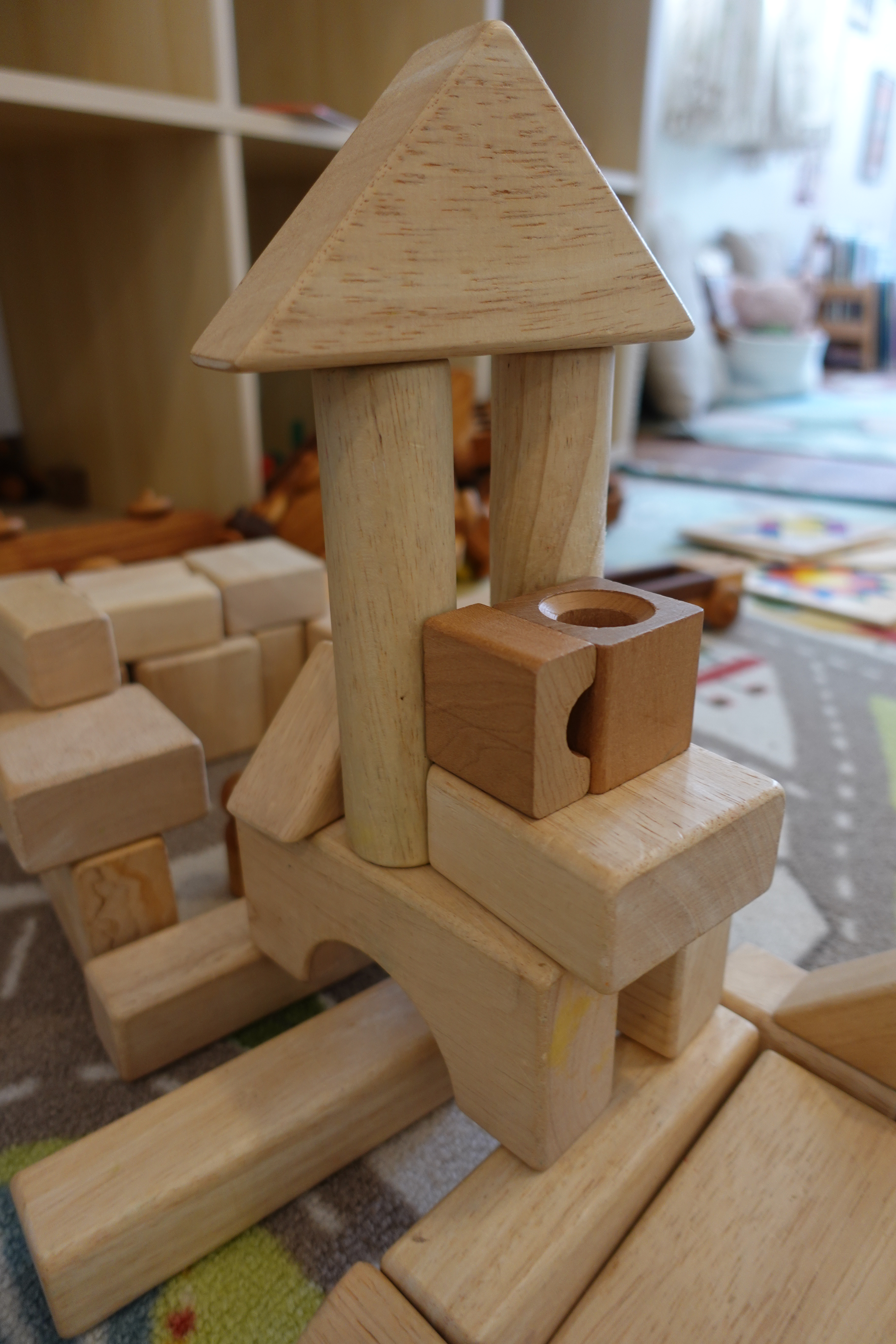
Building blocks have developmental stages to them because a child can simply pile all the blocks up, similar in appearance to a mountain seen from a distance, and call it a house. It’s once children start making deliberate decisions about which type of blocks to use, the size, shape, and color, that we see real advancement that also utilizes their fine motor muscles. The size, shape, and weight play a part in how children’s building and construction take on more advanced characteristics. As they continue to advance in their ability to construct, they add other materials such as dolls, dinosaurs, and loose parts, to name a few, making many more advances to their building constructions. When children develop to the stage of examining and discussing where to place certain blocks on a structure, they have entered higher-level thinking and more complex play. With block play, there are many things children learn, but we are sticking to the fine motor aspects, and every grab, turning, stacking, catching, and careful execution of placement is an example of fine motor skills in use. Yes, building/ constructing supports children’s future ability to print and write.
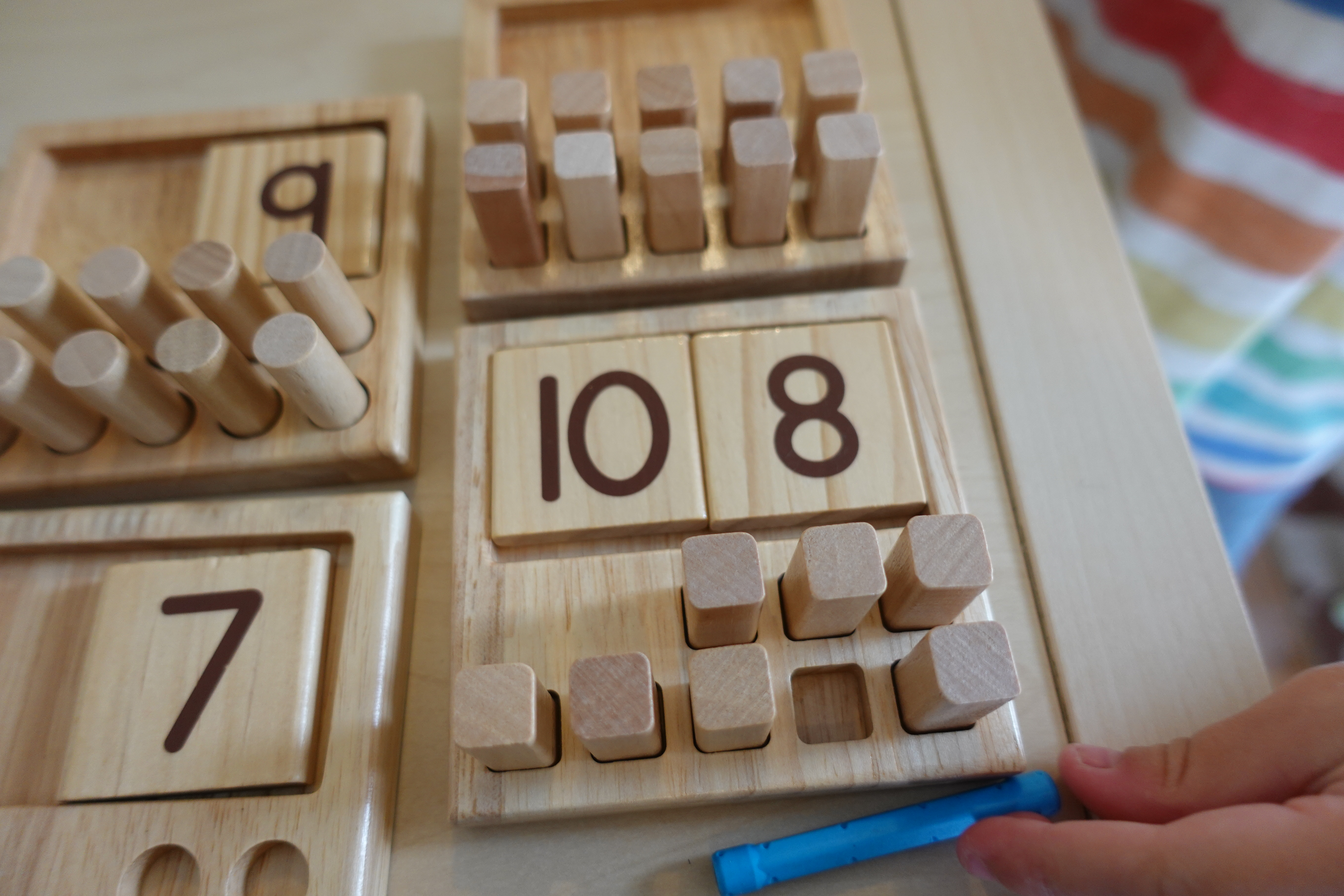
The pictures above are a small example of how fine motor muscle development and growth can be supported through a few different interest areas. Every step a child takes on the road of learning is a journey filled with reaching milestones. Development is growth, the physical growth all humans go through to engage in the tasks we do as we become adults, and for the remainder of our lives. Children need these early years to freely engage in tasks, projects, and creative expressions they are interested in, so they can be supported and appropriately challenged in the many areas of growth and development they go through. Fine motor muscles are just one area, and as we see with just small examples, there are many things children engage in that support the growth and development of skills they will need when they learn to print/ write abstract symbols. I am a firm believer that the anatomy of the hand, fingers, and wrist should be ready for printing and writing, and young children should not be forced to print and write before they are physically and cognitively ready. The process should be enjoyable from the start onwards.
See parts 1,2 & 4

September 2025 Blog! #2
Part #2 of “Fine motor skills/ development in the early years” series.
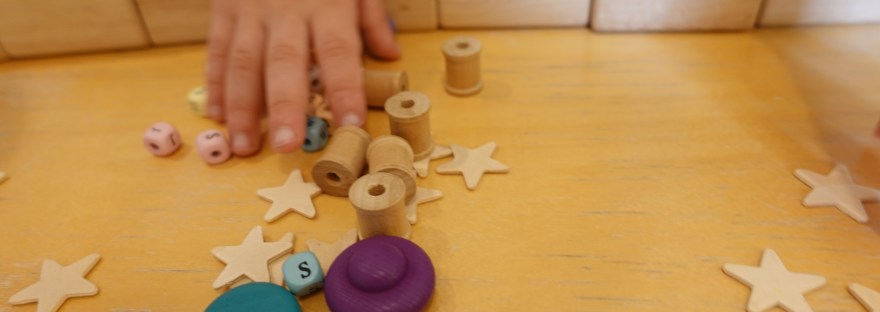
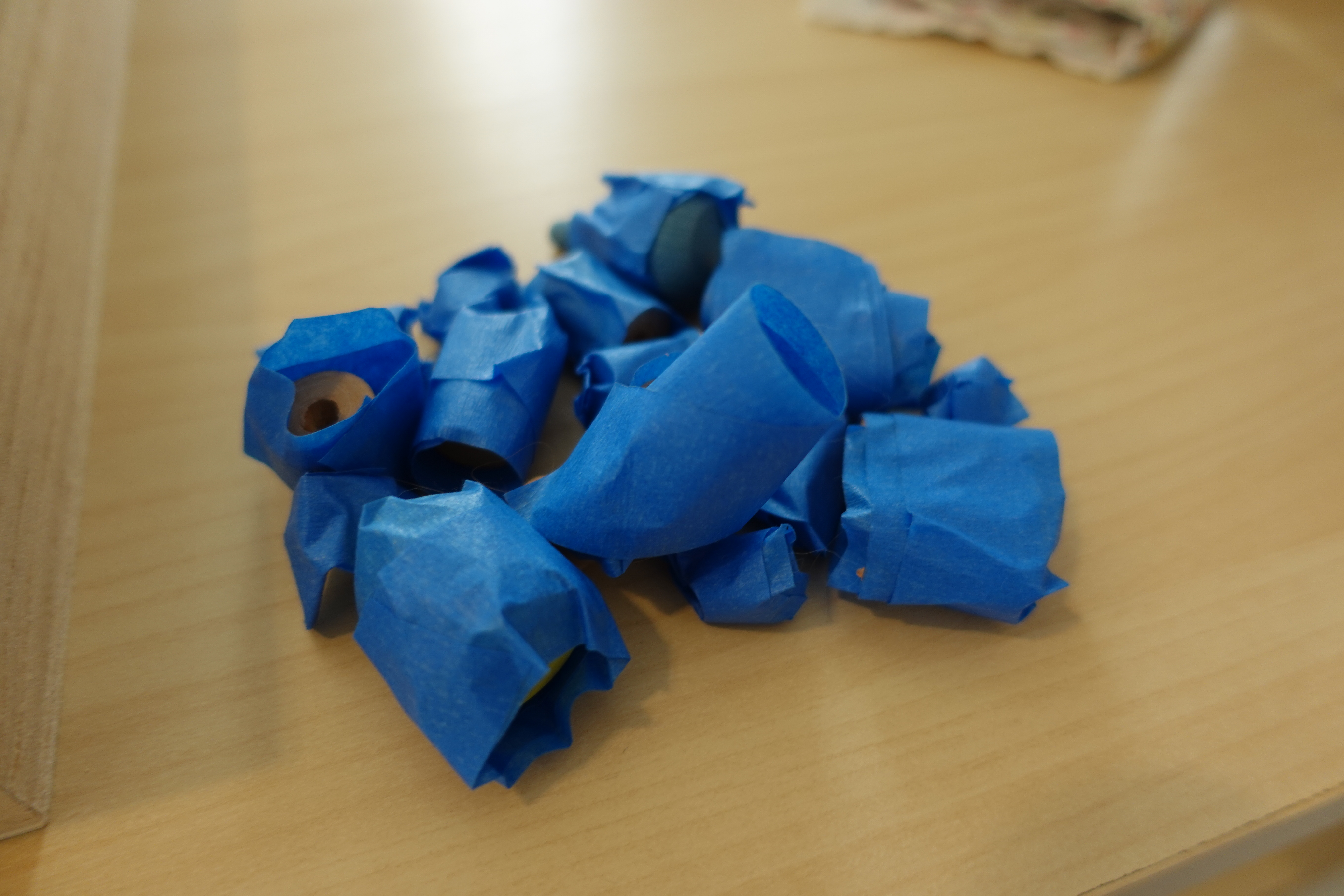
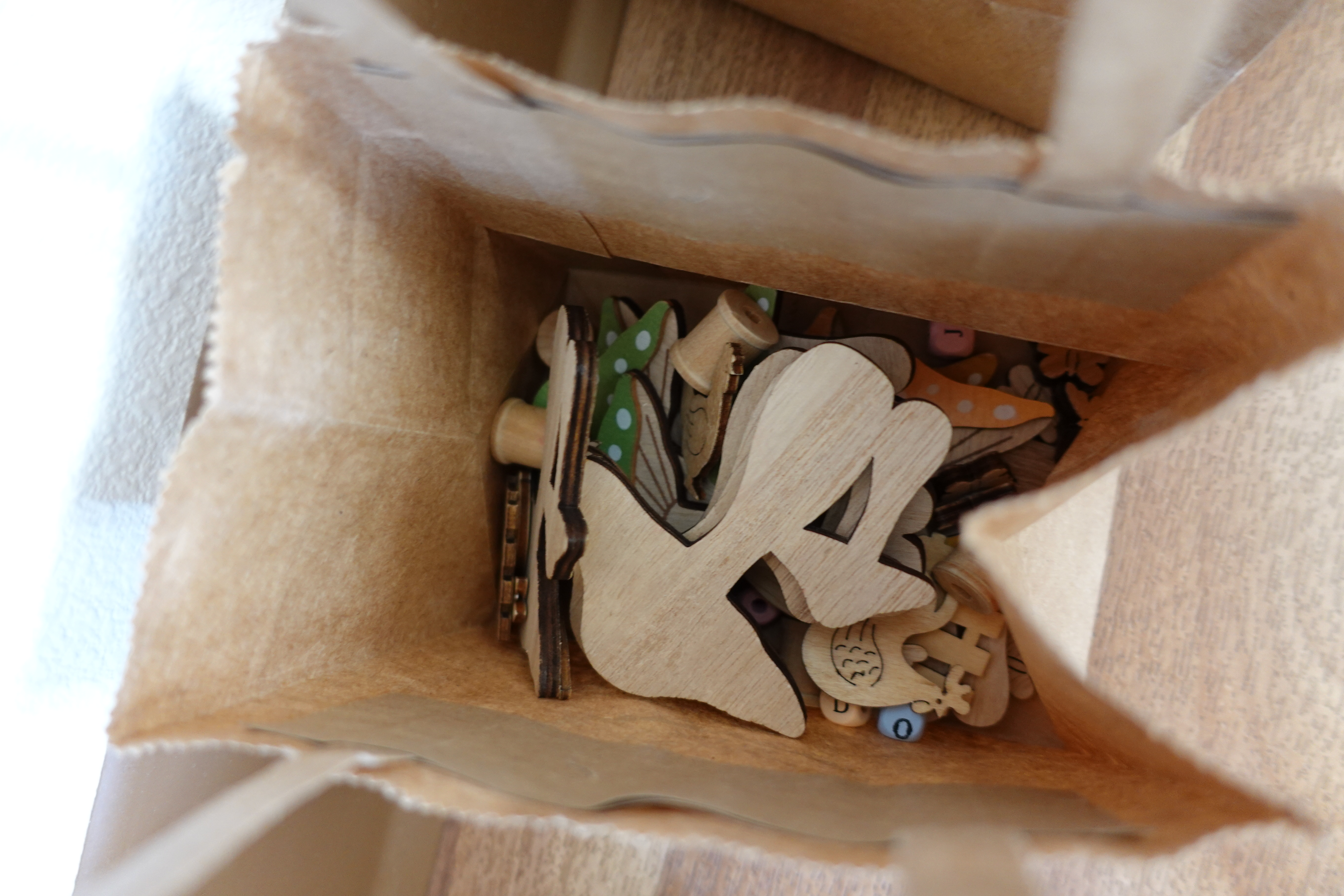
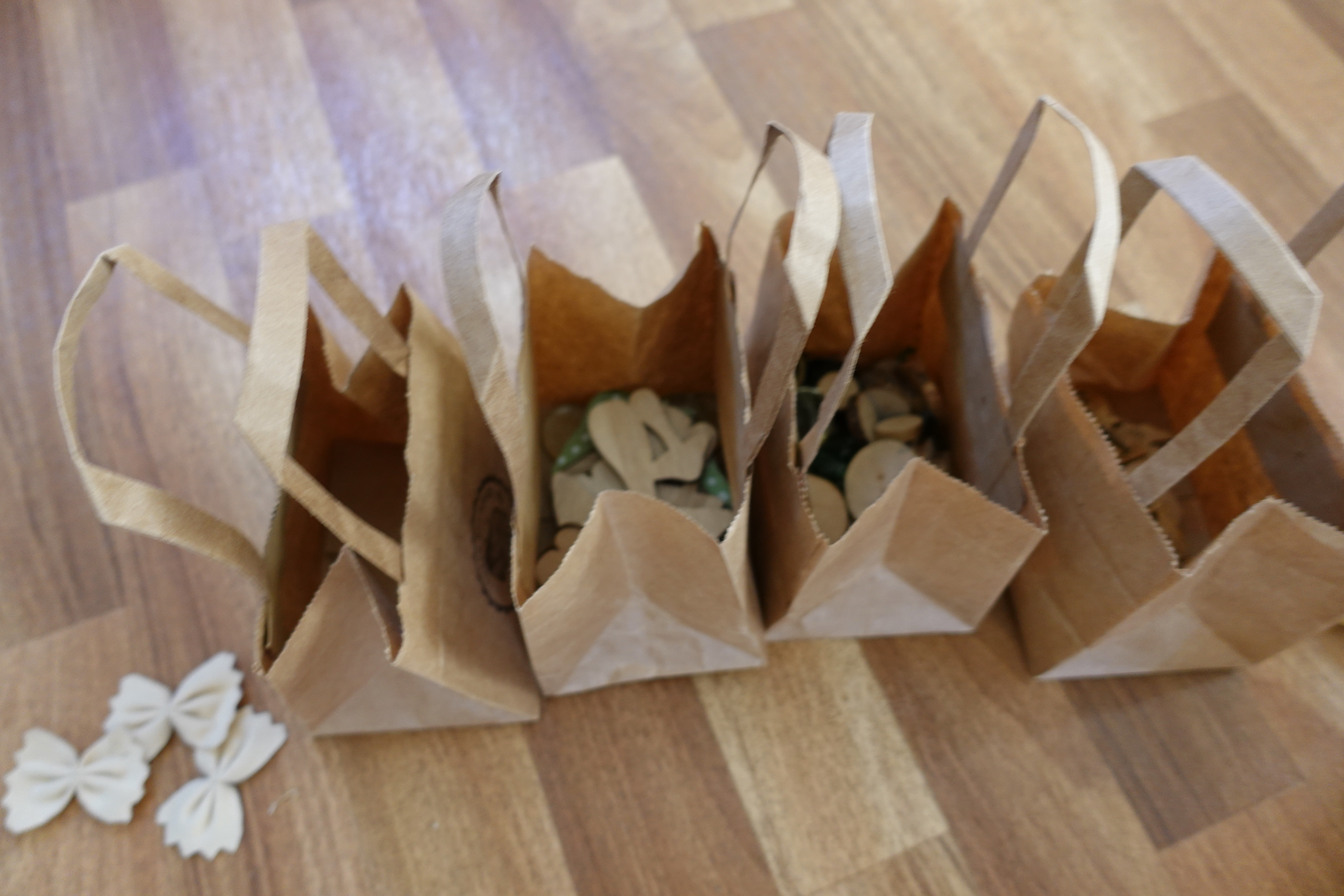
The pictures above (See part #1) show some examples of how the children have used their “loose parts”. One child had an idea that the spools, marbles, and beads were injured creatures and needed bandages, so they used tape to wrap as many as they could. If you are thinking this took some time, yes, it did! When children are interested and committed to their ideas/ projects, they will spend the time they have working to complete as much as they want. We also see some small bags that are filled with “loose parts”. Gathering as many as the tray offered was the priority of one child, and once the bags were filled, this child called the others to come and help unload and set up the dramatic story being created. Fine motor skills are being used without even a second thought, all while engaging in planning, collecting, and managing space and materials. Reaching out and inviting others to join is utilizing their social and communication skills, as well as allowing them to take on a role as “leader” and then a “character” in the dramatic play story. So many decisions go into play, and these are all life skills. Life skills that support fine motor development and growth.
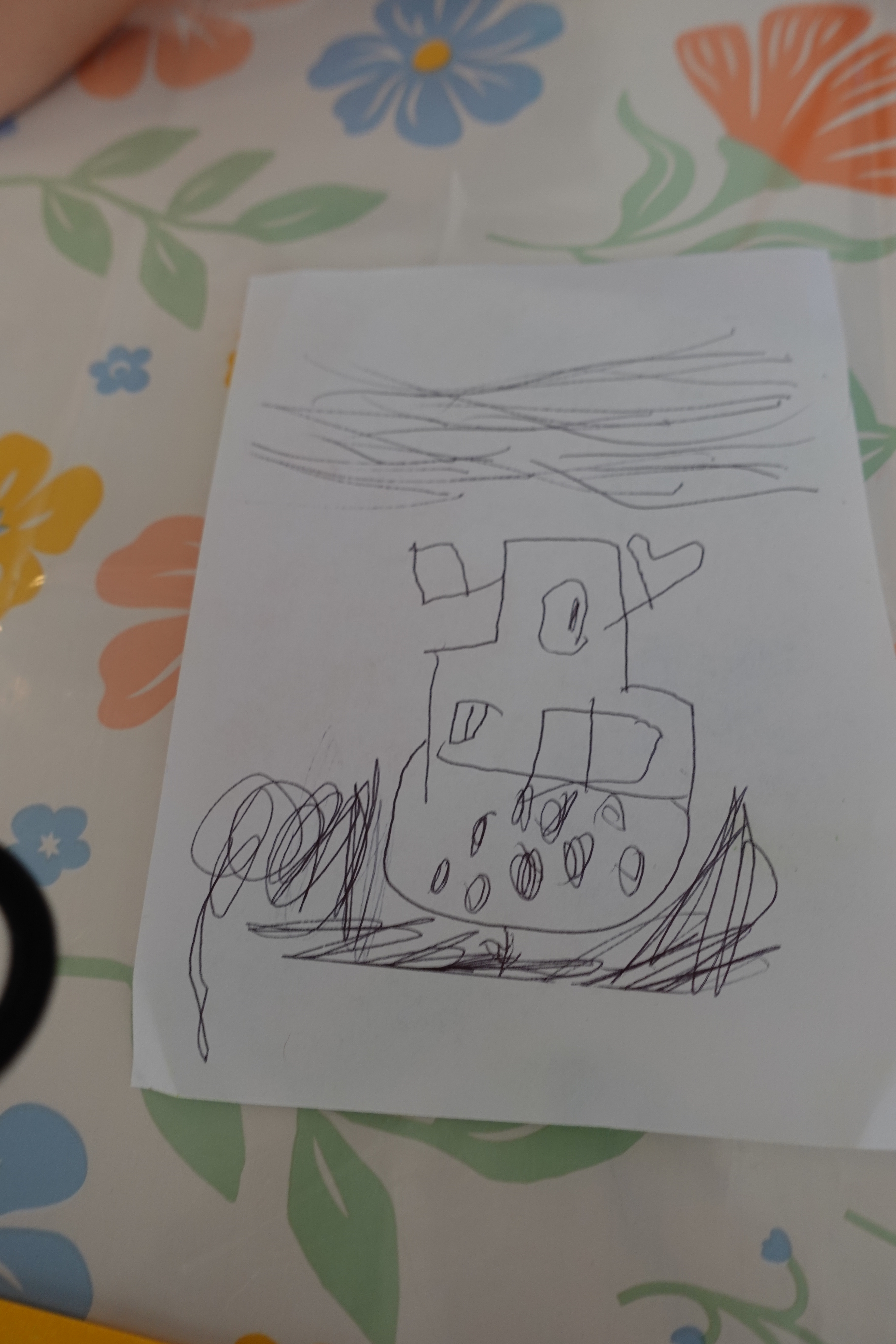
In the above pictures, we also see two examples of transitional symbolic drawing, utilizing fine motor muscles in the hands, fingers, and wrists. The drawing on the far left is a clear and nice example of a child transitioning from scribble to symbolic form. We see the round features of a face, followed by facial characteristics such as eyes, nose, mouth, and hair. The second drawing is done by another child, and the drawing is more advanced, with many details representing the outdoor appearance of a home, complete with background and foreground scenery. This is clearly a symbolic drawing, yet it is also a nice example of a child in transition because, though symbolic, the drawing is still a bit shaky. Shaky or light-pressure drawings are examples of growing confidence. With more time, this child’s shaking light-pressure drawings transformed into strong lines with deep pressure, showing confidence in their work. Wonderful examples of where two children are on their journey of fine motor muscle development. Importantly, it is not just the time these children take to engage in drawing that strengthens their fine motor muscles; it is the many interest areas and things they engage in utilizing their hands, fingers, and wrists that support the healthy growth and development of their fine motor muscles. These experiences are the building blocks young children need for them to be able to eventually print and write, yet they must have these many years of experience building up to that point, and I believe firmly that it should not be rushed or forced.
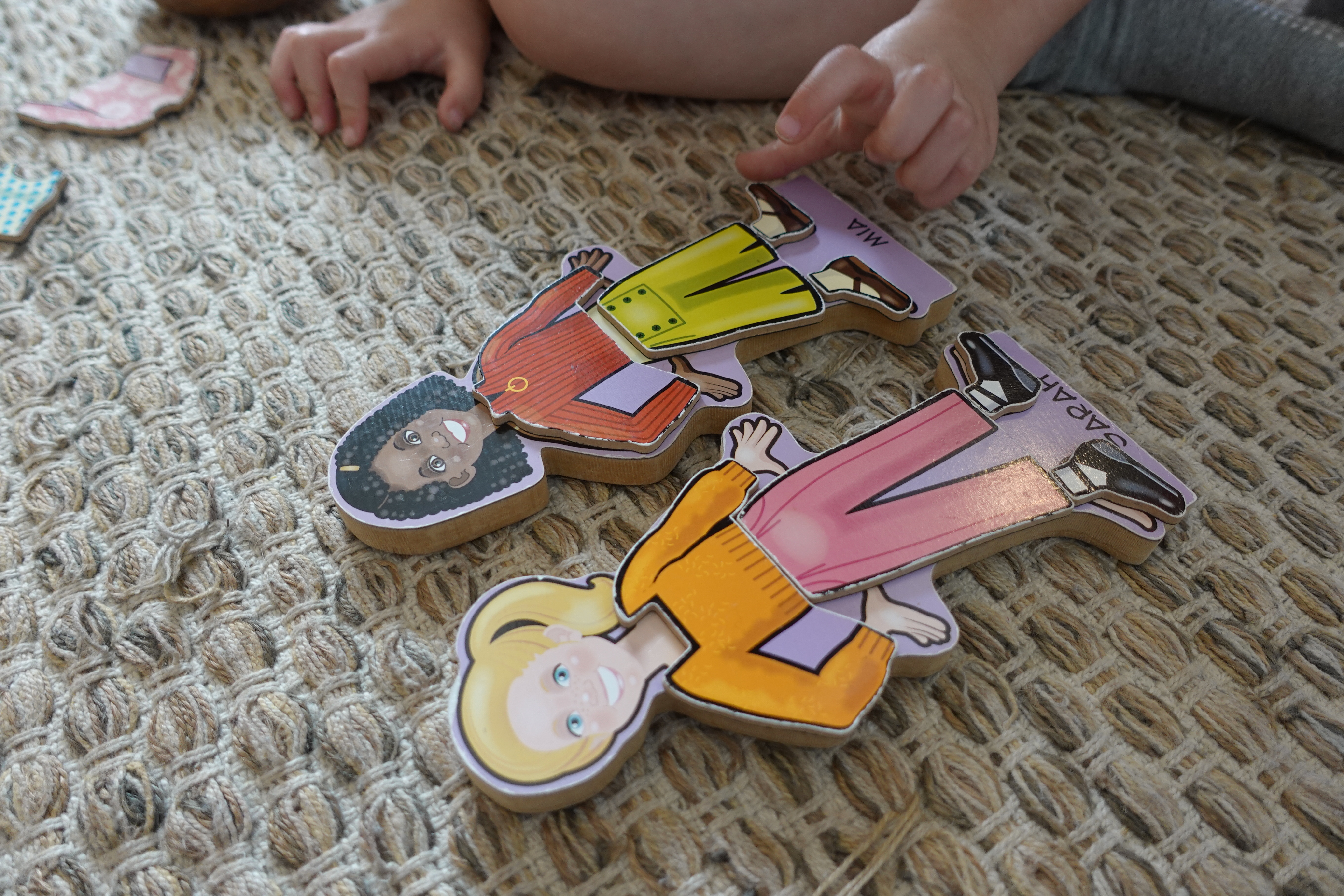
Magnetic dolls, lacing cards, and block construction all have many things in common, but for this posting, we will focus on the fine motor skills. Magentic dolls may not seem like something that would support young children’s journey to printing/ writing, but this is another useful fine motor form of play that serves many purposes. Magnet dolls seem pretty easy to engage with. Still, when you have witnessed many a young child at various stages of fine motor development trying to dress the dolls, it really is another aspect of how development has stages, and it takes time to get to each one. When children are first navigating magnets, the force of the push and pull is both off-putting and attractive to the child. It is something they want to master, yet in the early stages of fine motor muscle growth, they lack the strength and precision to position the pieces in the correct space and evenly on the doll. As the children grow accustomed to magnets and gain more experience using them, their ability to clothe the dolls with these magnetic pieces becomes smooth and precise. As with all materials in a classroom geared towards open-ended play, the ability to dress magnetic dolls tells me a lot about what the child is interpreting when engaged in this provocation. (Many children dressed the dolls in wild and cheerful preschool fashion!) In regard to fine motor development, the positioning of each magnetic clothing piece demonstrates what the child understands about dressing, what level of control they have over the magnets, and what they are visually representing. When children place the magnet clothes in the correct places on the doll, matching the clothes and including socks and shoes, they are demonstrating their progress in developing their fine motor muscles. They are gaining much-needed skills and interest in printing or writing as they continue with materials like these.
See parts 1,3 & 4

September 2025 Blog: Fine Motor Development! Part #1
Part #1-4 “Fine motor skills/ development in the early years” series.


Young children naturally have small hands, fingers, and wrists. Within a relatively short period of time, five years, humans develop from infants, babies, toddlers, to young children. The early childhood time in a human’s life ranges from infancy to age eight. And, as we all know, this time in a child’s life is packed with a large amount of growth and development.
The focus of this blog is on fine motor development/ skills. The fine motor muscles in children’s hands, fingers, and wrists determine how they demonstrate their understandings, inquiries, and abilities. Children naturally engage in a variety of contexts, allowing them to utilize their fine motor muscles, but that doesn’t mean that we, as adults, parents, teachers, and caregivers, do not intentionally set up fine motor muscle experiences and opportunities. We still take the time to follow a child’s interests and needs, and set up useful items that they would naturally be attracted to. That is why the term “play” has such a major role in children’s growth and development during the early years. Through “play,” children use their fine motor muscles to pick up things, sort, transport, construct, and create. They use their hands to help them with putting on their sweaters, jackets, socks, shoes, and other items. They utilize their fine motor skills to learn daily life tasks suitable for their age and level of ability.
In my classroom, I have purposefully set out materials for fine motor development experiences and support. One item in particular that I add every school year is a Loose Parts Tray. This is a tray I put together with the intent of it being an open-ended tool that could be used in a variety of ways and positioned anywhere it needs to be in the classroom throughout the school year. However, we have found one place in particular that is preferred, and that is on top of one of our shelves. I chose staple items and seasonal small items to fill the tray throughout the school year.
Items I have collected for the Loos Parts Tray are of different textures and colors. Here are some examples of what I put in my tray for the students to use as their imaginations allow. (This list is just a short example.)
- rocks
- beads of various shapes, sizes, and colors (still small)
- tiny animals
- marbles
- plastic autumn leaves and acorns (seasonal)
The children utilize these small items for a variety of things, but mainly in the kitchen area. They love taking on the role of a cook, chef, restaurant owner, etc. Filling pots, pans, and various dishes with the loose parts from the tray serves a great purpose for them. First, the children are naturally accessing their growing fine motor muscles, assigning new roles to small objects, and figuring out what and how much of these items will fit into the various-sized dishes and containers we have. The children, while engaged in dramatic play, are using their imaginations to act out a story, communicate and socialize with each other, utilize and assign new roles to “loose parts”, and, without realizing it, gain experience in science, math, and language, to name a few content areas. Using their fine motor muscles happens naturally through their play and dramatic stories, and this is in part due to using the classroom as a teaching/ education tool. The classroom is a “third teacher” when used in ways that support, appropriately challenge, and stimulate interest for each child.
See parts 2-4