 In the early years of child development gathering, collecting, sorting and counting can become a great passion for many young and eager learners. You may notice young children will count a wide variety of objects. As a child constructs knowledge/ understanding the information they are exploring, questioning and manipulating will transfer to many other areas. Children aged three often are gatherers and carriers, meaning they enjoy finding every small to medium sized toy, object, tool and collecting them all together, then traveling with them. These items are then incorporated into the child’s imaginative play.
I’ve witnessed many early learning teachers trying to stop this behavior in their classrooms for one reason and it has nothing to do with learning; the children are making a mess and mixing the materials. Now if the items were being destroyed, ruined so other children could not use them, then, of course, we must put a stop to destructive actions, yet when a child is simply following natural development of the brain, there is no valid reason to stop this behavior. Gathering, sorting, transferring and using items for different purposes is natural and engages a child’s mind in a more meaningful way than being told how to play with those items.
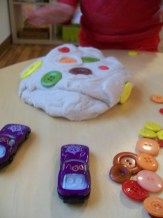
An educational viewpoint embraces this stage of child development and encourages the child to continue with their explorations, questions, ideas, and plans. Using the classroom toys, tools and materials for different purposes show the child is constructing knowledge. The vehicle on which new understanding is being formed comes from the child’s ability to dramatize with the items, role play. Those mixed up and jumbled materials take on a role in the child’s ever-changing stories and make-believe adventures. When items like buttons or magnet numbers are collected and treated as frosted cookies, the child is displaying their understanding so far as to how life works. Too general of a term? The child is communicating through this process that there is an understanding of family roles, friendship roles, professional roles, and many more life roles that we all play a part in for our entire lives. And yes, the child is using objects, not for the purposes they were designed for, but rather as a way to formulate concrete understandings of an abstract world.
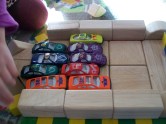
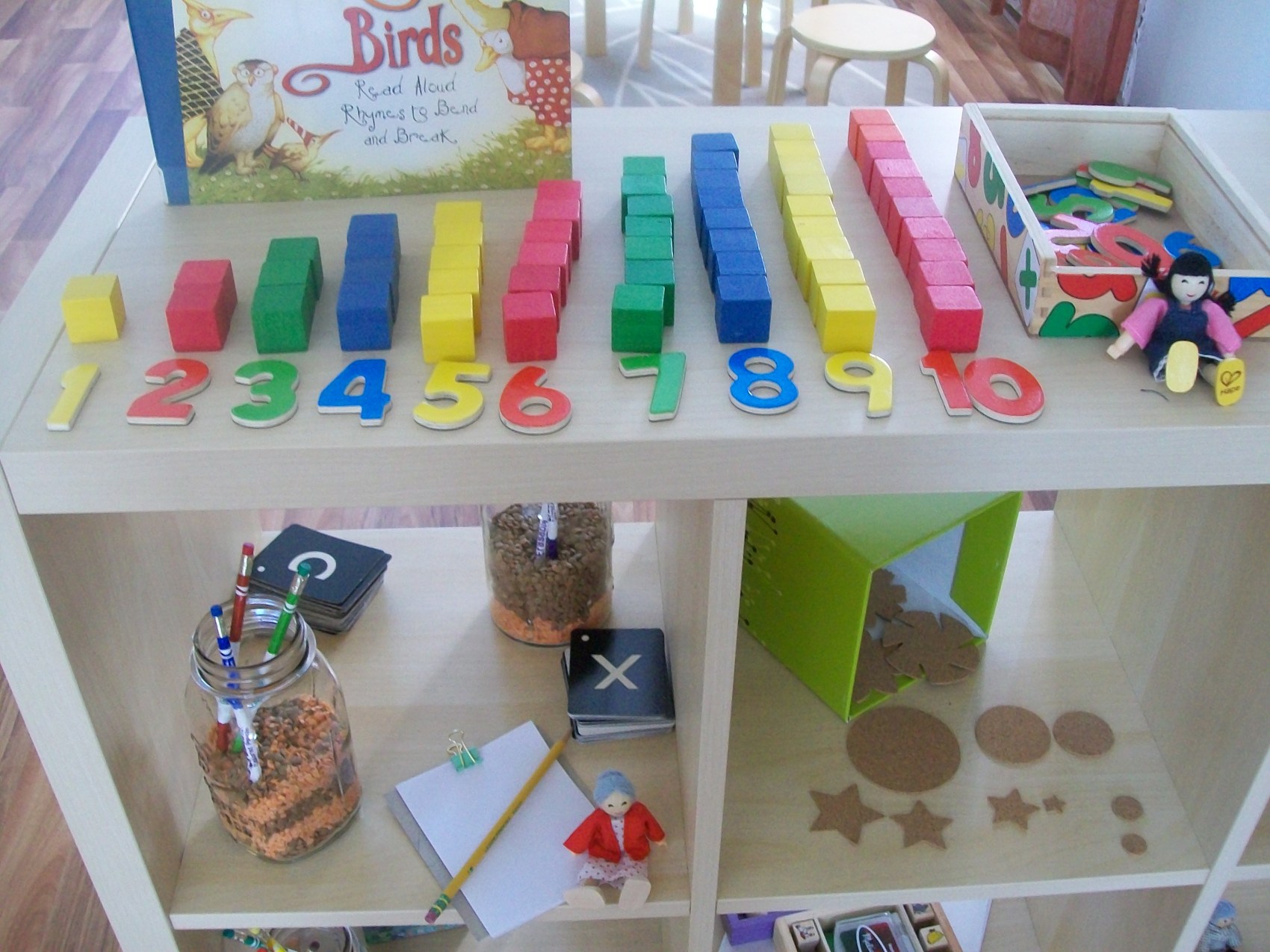
Counting is a regular part of academics in any household and early learning environment with young children. Learning number symbols is a part of the continued construction of knowledge. A knowledge that will be built upon with every small advancement made. Again we see that any object can be counted. Any object can take on the role of a number. When young minds count a variety of materials that action is displaying a mathematical understanding. If the child only counts one specific type of object, understanding is then still in its infancy, so to speak. However, when a young child can count anything and not be inhibited by what that object is, counting has meaning understanding is further along. Strength in mathematics can be in every child/ boy, girl or otherwise. We as early learning professionals should always put learning/education first with our young students. Human beings never stop learning, so let’s not get in the way of our youngest minds! Be sensitive to what the child is telling us.
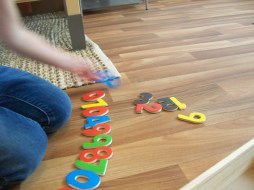
 Children want to understand so the best way to formulate knowledge is for them to physically manipulate any object they can get their hands on. Counting items over and over again and incorporating a wide selection of materials to be counted allows for the brain to build several pathways all with the goal of complete understanding ahead of them. Magnetic numbers do not have to be in numerical order for the child to formulate numerical sense. Each number symbol is just that an abstract symbol in the form of a concrete object that can be counted and lined up to organize and keep track of. A strong pathway has formed through many tiny pathways leading to this moment. The foundation is set for all future learning. As a three-year-old grows to four and five those abstract number symbols will be better understood, their value and meaning made clearer. Entering K-3rd grade the mathematical concepts explored so vigorously in preschool will ensure a deep understanding when they are needed for more complex theories and strategies. However, the most successful are not just those inclined with one of Howard Gardner’s intelligence categories, but those children allowed to fully explore the environments they inhabit.

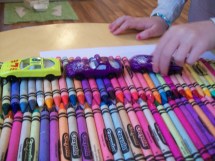
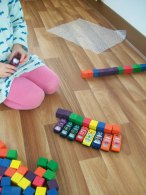
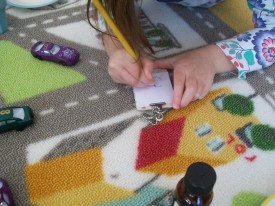
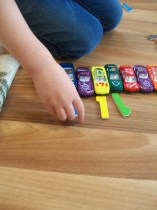 We can see that while counting a child is also formulating an understanding of left to right progression. (My camera makes it look the opposite) In our culture, we write from left to right, so children see this modeled countless times. Writing is not the first time children show this concept and display understanding, yet all too often this skill is overlooked. Let’s stop rushing and pay attention to the little details children communicate to us. After all, children communicate in 100 different languages, children’s language, which is universal. Early writing is the scribble stage of development and a left to right progression is being practiced, yet in counting this is also happening. A transferring of information equals understanding. At the same time pathways for writing left to right are being constructed not only during the times a child picks up a writing tool but whenever a child finds objects to count and sort. All these pathways form while children are exploring, questioning, planning and discovering. And each is enabled to learn more and be successful as the elementary years emerge.
Paints and teacups with buttons follow the progression of direction. Mixing red and white to make pink is not the only skill being learned at this moment. As this child paints the progression of left to right is being followed, practiced all on her own and not with any influence from me directly. Forming a line with teacups filled with buttons has many skills involved. First sorting and filling each cup with the buttons, then carrying them to a specific location, which requires balance and motion, then lining them up.
I value early learning and respect every child’s capacity and ability to learn! Preschool is the place to start when you want your child to be as prepared as possible for all future educational endeavors. Learning is fun and us adults should embrace that joy!
The Marigold School of Early Learning is a Reggio Emilia Inspired Preschool Specifically Designed for Children Ages 3-5.
Heidi Scott, BA & MIT is an experienced Teacher













 The Marigold School of Early Learning is a Reggio Emilia Inspired Preschool for children ages 3-5. :) Support your child’s natural curiosities and development by encouraging your child to play and observe closely to see what your child is really interested in. You may be very surprised with the process your child demonstrates. Children are intelligent people and all they need is us adults to support them on their journey of natural curiosity which leads to an ability of unlimited learning.








 I like to provide organic, gluten free and dairy free snacks that consist of fruits, vegetables, gluten-free whole grain crackers, nuts, seeds and nut butter along with water. The snacks I have planned are like mini meals because I want children to consume healthy foods for longer attention, steady and consistent energy and I want to expose them to foods they may not have tried at home before. I have had students who enjoy eating carrots at school and not at home just because it was served differently, but sometimes I have introduced a fruit or vegetable that a child has not tried yet and sure enough they realize it tastes great and want more!
 When we simply don’t have the sugary, food colored simple carb options available children don’t think about them or want them. When children can be a part of making their snacks and serving themselves they learn how to eat healthily, how not to waste food and, how to read their body’s signals when they are full and satisfied. The energy output is much more even-paced and moods improve and stay uplifted throughout their time at school. This doesn’t mean that if children are exposed to all those sugary goodies once in a while that they will not want them, but not having them around can really curtail the desire for them. And don’t we all want children to grow up healthy, strong and capable? Let’s feed them organic healthy snacks without the sugar and food coloring.


 When focusing on children ages three to five the social/emotional aspect comes into play. Young children at first can emotionally only handle one other friend to engage with. Notice how I did not say “play with”. When a young child first begins the process of interacting with other children either their age, younger or older, there is an observational period in which the child will watch and listen while closing the proximity between them and the child they are focused on. If the child they are observing appears to not be a threat, the child will then start to play next to this child. Parallel play in one sense is a simple way for children to
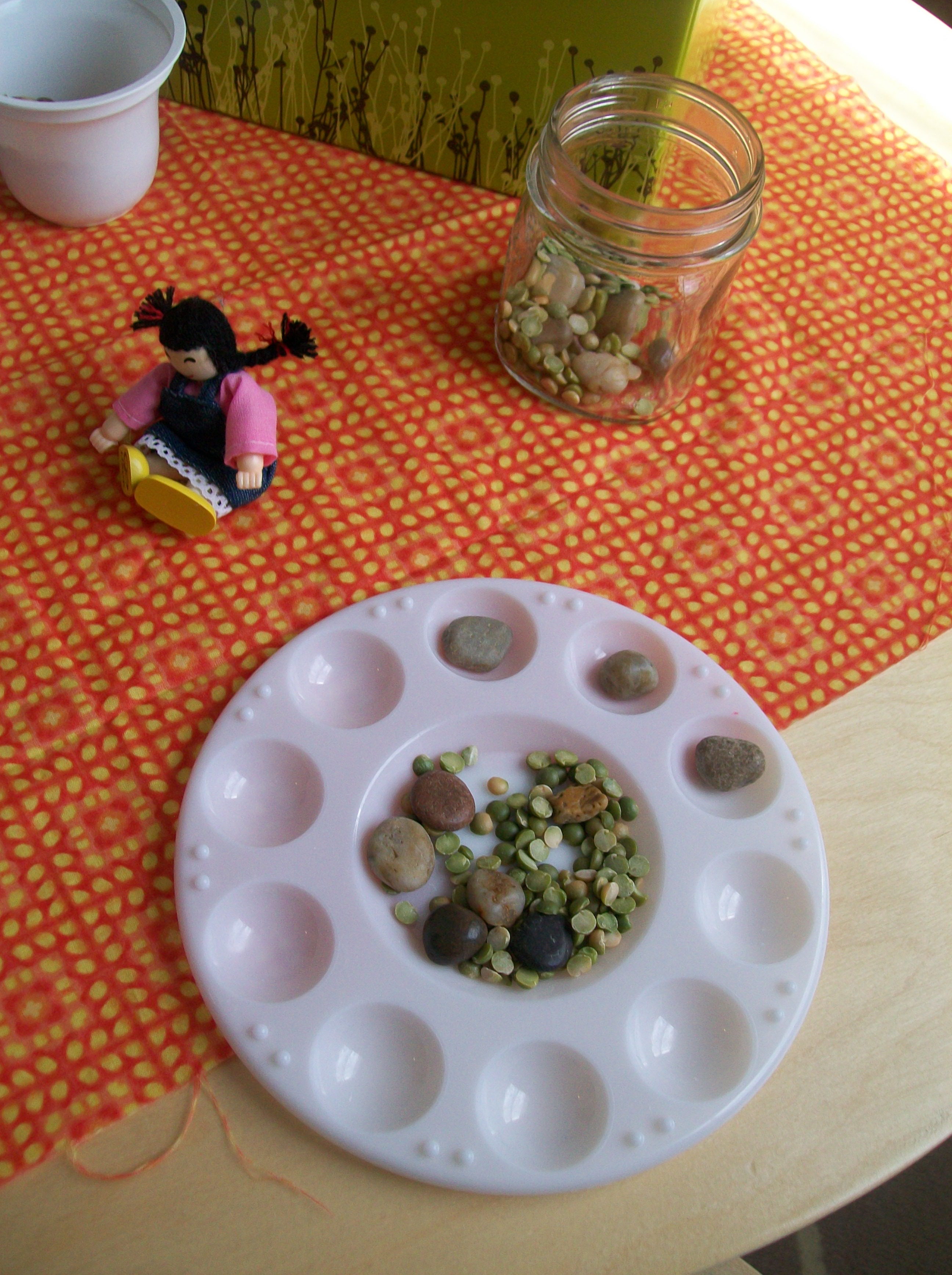 The child’s journey of learning does not end there. The child will now move to associative play and start to play around and near other children including the first child they observed. An important fact to note for this stage of development is the child will be around and near other children and be engaged in play, however, there will be no common goal for the type of play this child is engaged in and for those in the area. This is the stage of development and the area of play where young children will converse, interact with the same materials, but not in an effort to form rules and common goals. This is a period of growth for a child to in a sense manipulate every engagement with both fellow children and the environment in a way to assimilate new knowledge and acquire skills to mature to the next level of development. Associative play paves the way for young minds to start the process of negotiation, compromise, common goals and the experience of delight when engaging with others which form an outcome of positive benefits. Now some sources may say this happens at ages four and five, yet it really does depend on the child. Many three-year-old children already are at this stage. And it is not a reflection of their intelligence, but rather a personality attribute and the type of family life the child is a part of. Remember a child’s experiences first emerge in the home with their families and whatever dynamics make up the family structure will affect each child in a vastly different way.
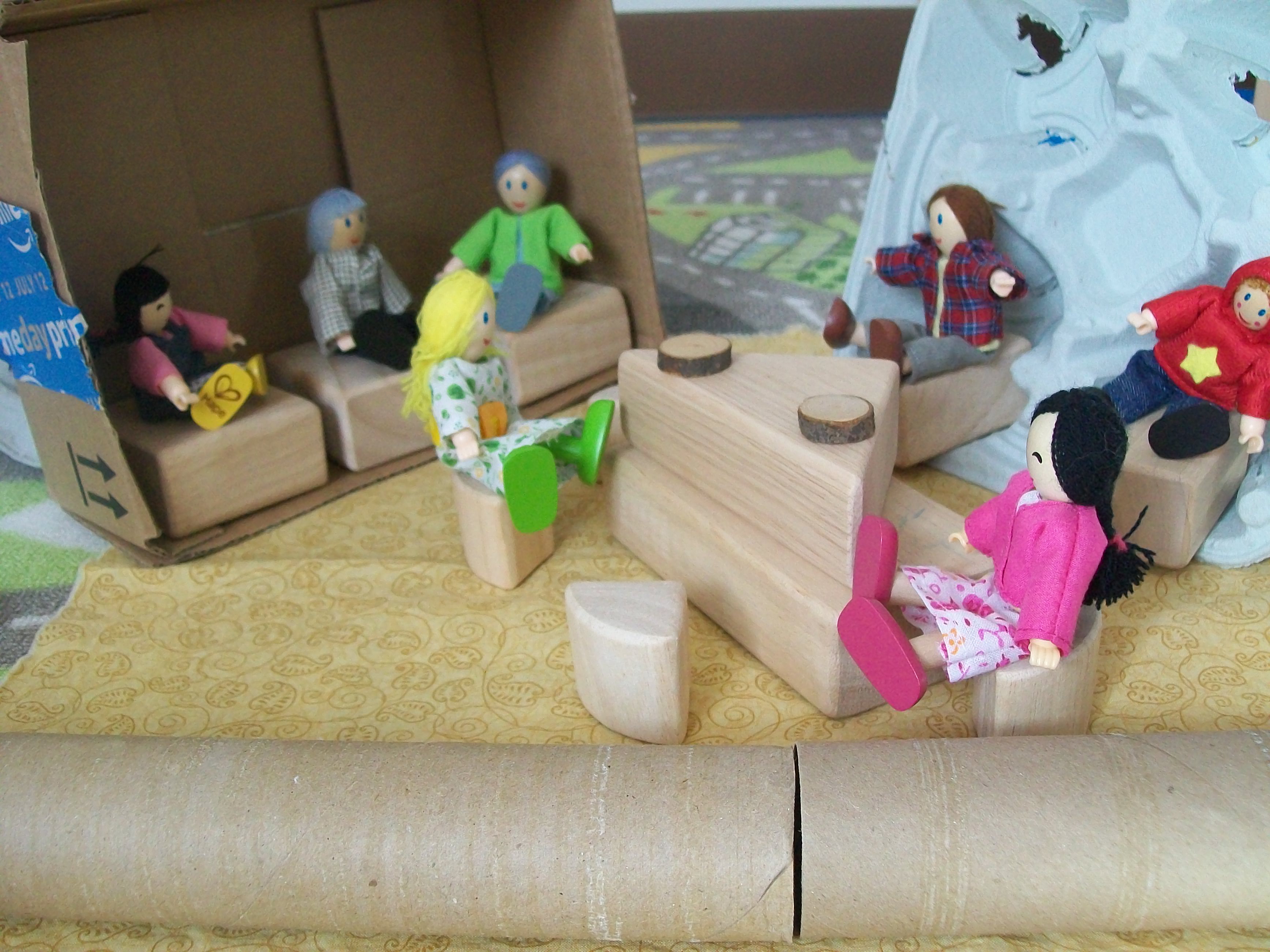 The last stage I will cover in this posting is cooperative play. This is an equally important stage in child development as all the other stages. However, cooperative play is a bit more advanced and usually will occur with children in the range of 4-5 years. Again there is a case by case aspect that really cannot be ignored. Children as young as three can and do often fit into this stage of play sooner if they come from a family with siblings and if they have been exposed to many more social engagements than a peer who has less social experiences. Personality also plays a role in whether a three-year-old child will reach this stage of play sooner. It is not an aspect of development which can or should be rushed, though. When a child reaches this stage assessing any given situation is a quicker process and the child has some definite goals, plans, and ideas. Working with more than one other child begins to be common and taking turns, sharing, negotiating, compromising and forming a plan to carry out together will happen regularly. Some children still have a difficult time if, in groups of three, four people in a group tend to be more acceptable with their framework of understanding, so it is okay to model how to play in a group of three or to encourage dialogue when children start to get frustrated with their ideas not being heard. In a Reggio Emilia inspired environment, it really is important to listen carefully to the dialogue before intervening because you really don’t want to undermine the complex socialization taking place with each child. Learning how to work together cooperatively is the basis of this form of play and this stage of development and without the opportunities to practice these evolving skills consistently those vital skills, we all need as adults will not fully develop.


 Heidi Scott is an experienced Teacher with both a Bachelor’s in Human Development with a Focus on Early Childhood Education and a Master’s In Teaching grades preschool – eighth grades.

 The Marigold School of Early Learning