

Part #1-4 “Fine motor skills/ development in the early years” series.

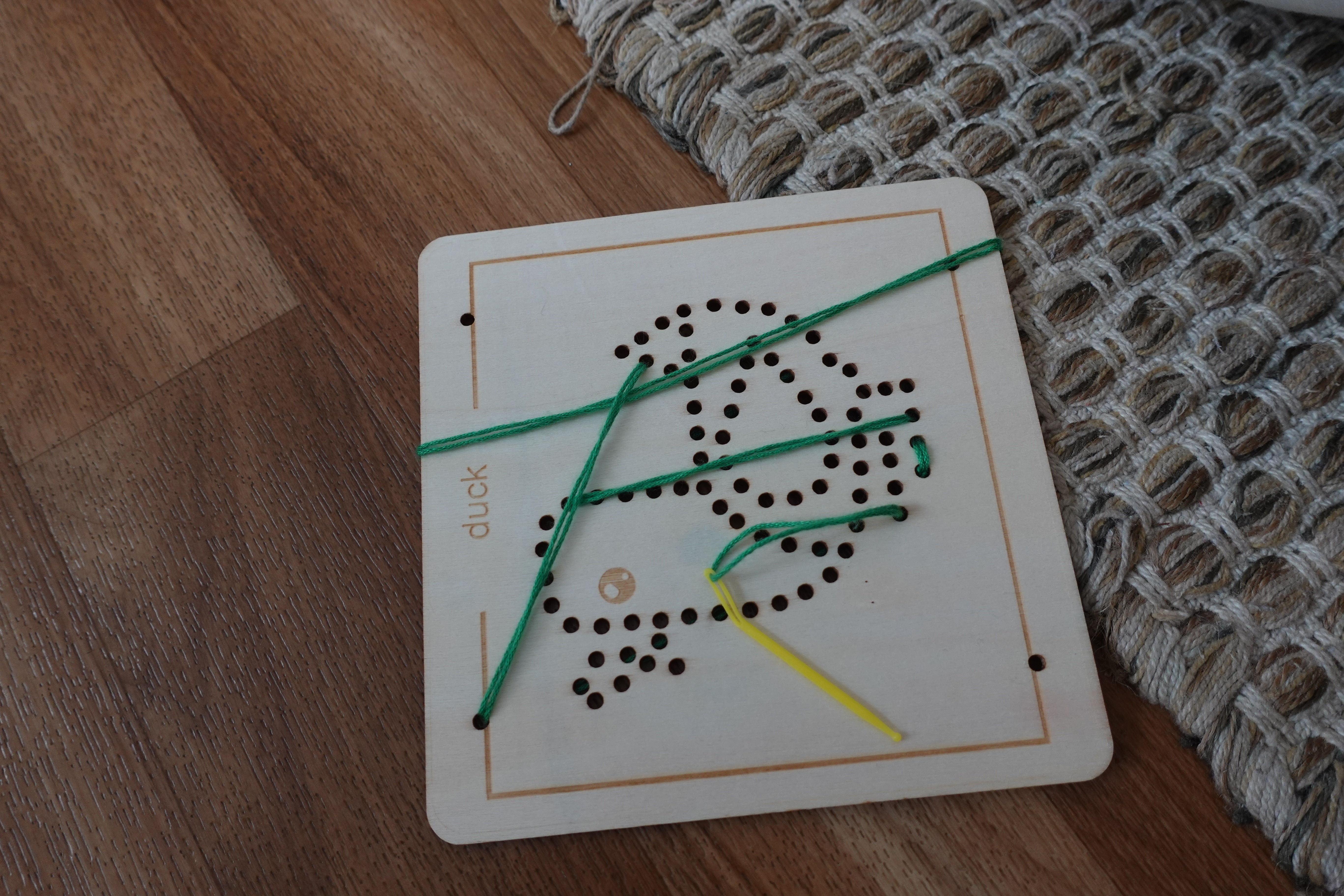
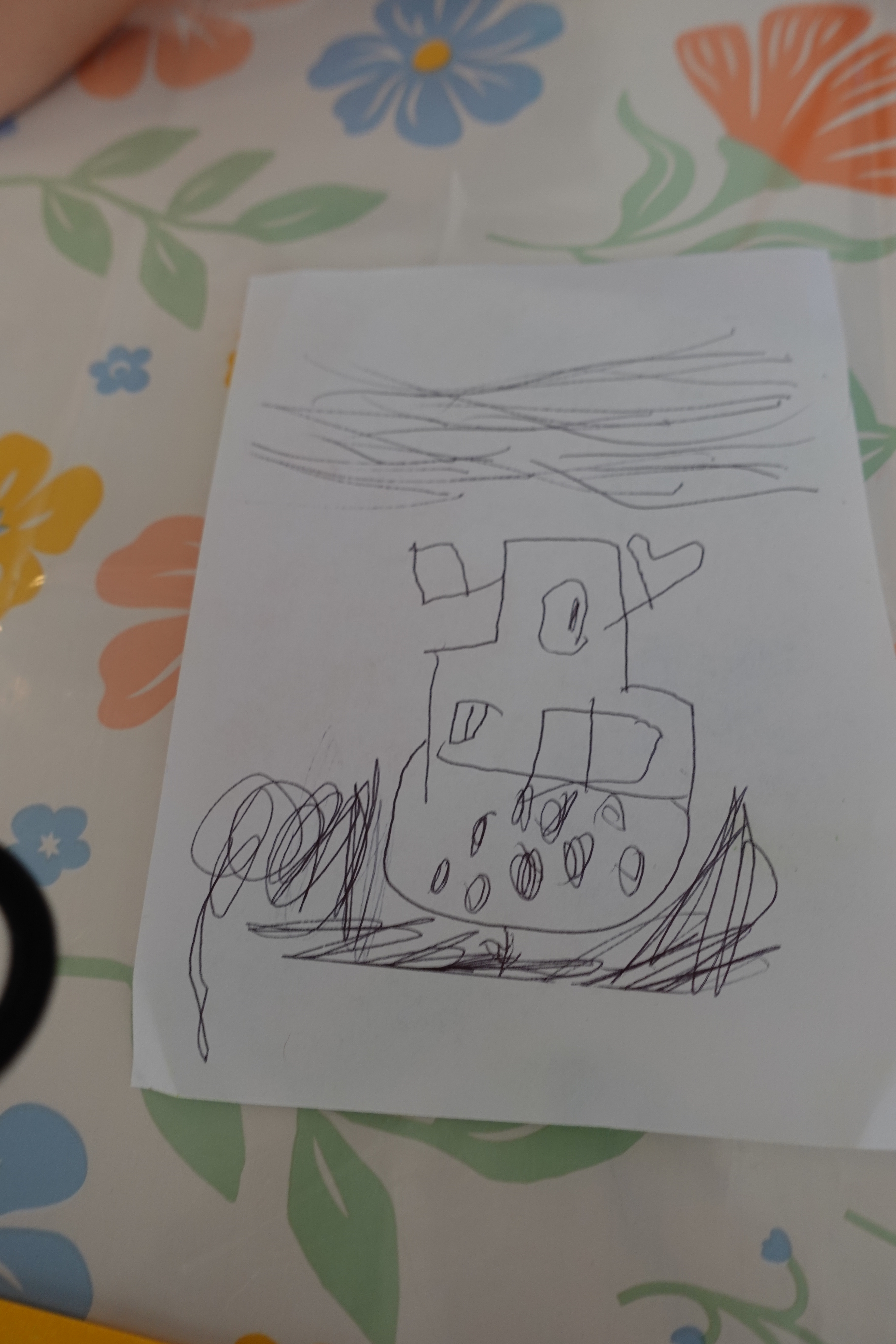
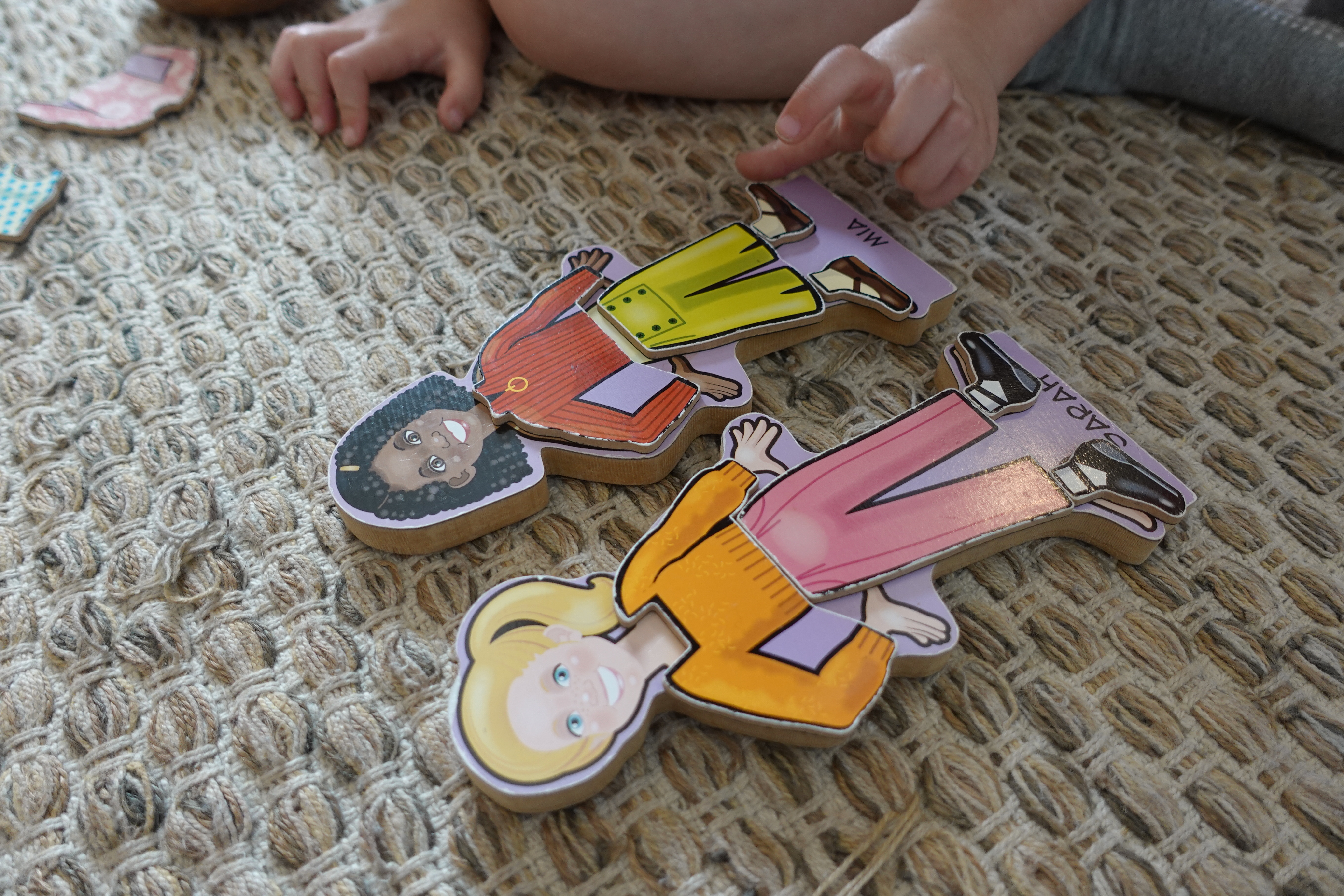
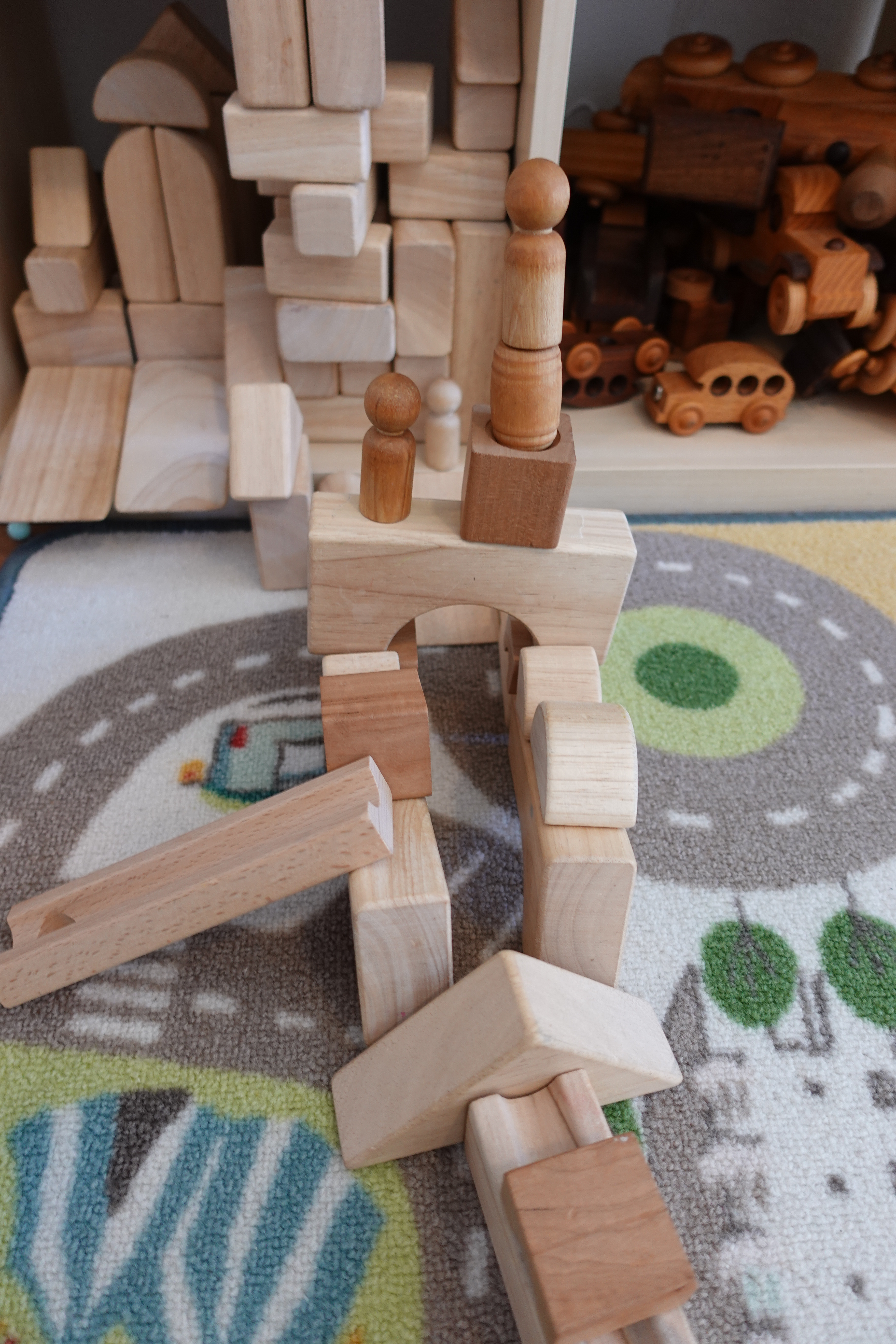
Young children naturally have small hands, fingers, and wrists. Within a relatively short period of time, five years, humans develop from infants, babies, toddlers, to young children. The early childhood time in a human’s life ranges from infancy to age eight. And, as we all know, this time in a child’s life is packed with a large amount of growth and development.
The focus of this blog is on fine motor development/ skills. The fine motor muscles in children’s hands, fingers, and wrists determine how they demonstrate their understandings, inquiries, and abilities. Children naturally engage in a variety of contexts, allowing them to utilize their fine motor muscles, but that doesn’t mean that we, as adults, parents, teachers, and caregivers, do not intentionally set up fine motor muscle experiences and opportunities. We still take the time to follow a child’s interests and needs, and set up useful items that they would naturally be attracted to. That is why the term “play” has such a major role in children’s growth and development during the early years. Through “play,” children use their fine motor muscles to pick up things, sort, transport, construct, and create. They use their hands to help them with putting on their sweaters, jackets, socks, shoes, and other items. They utilize their fine motor skills to learn daily life tasks suitable for their age and level of ability.
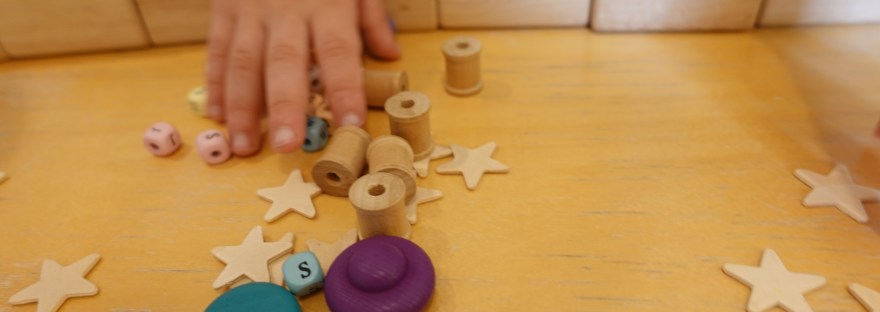
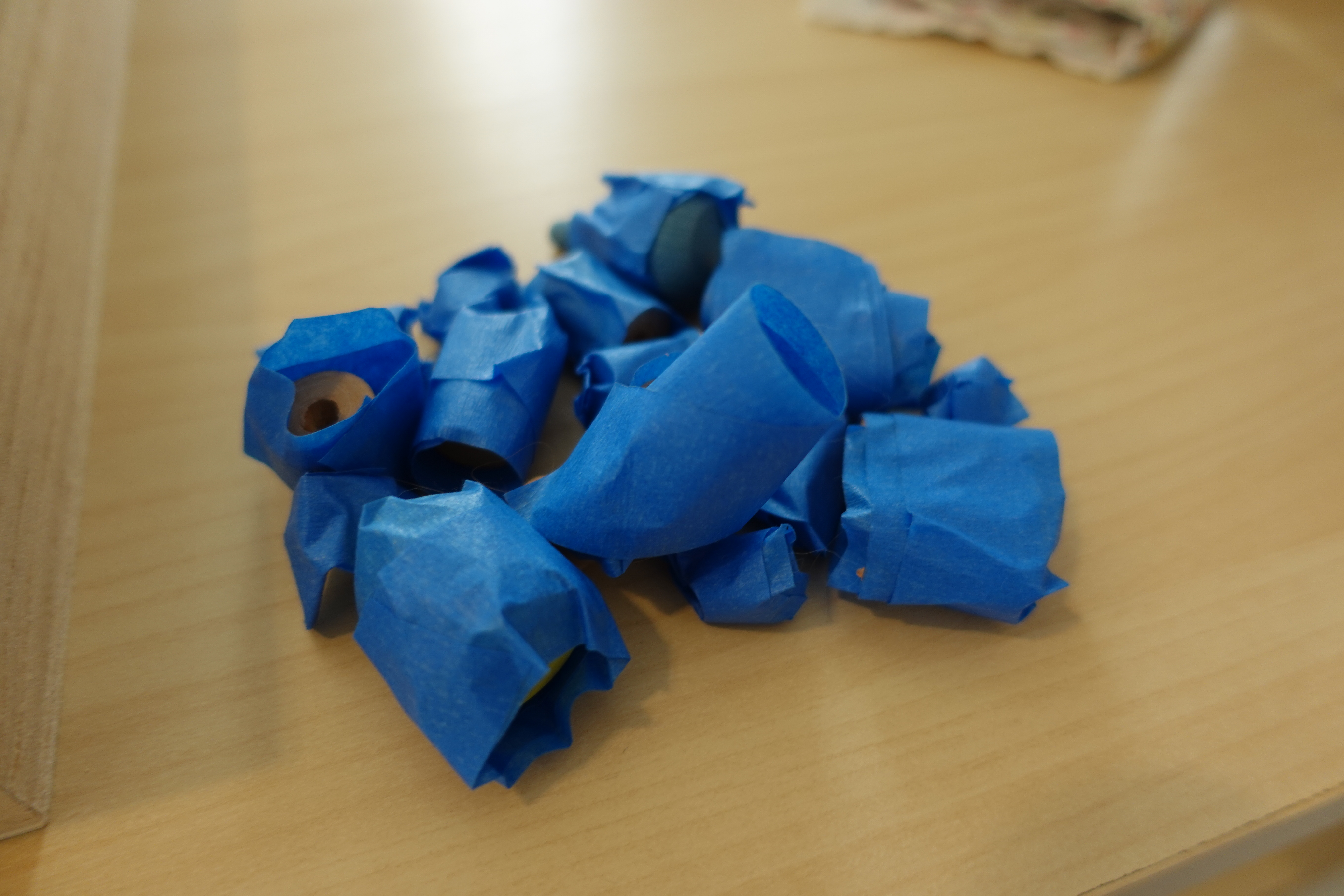
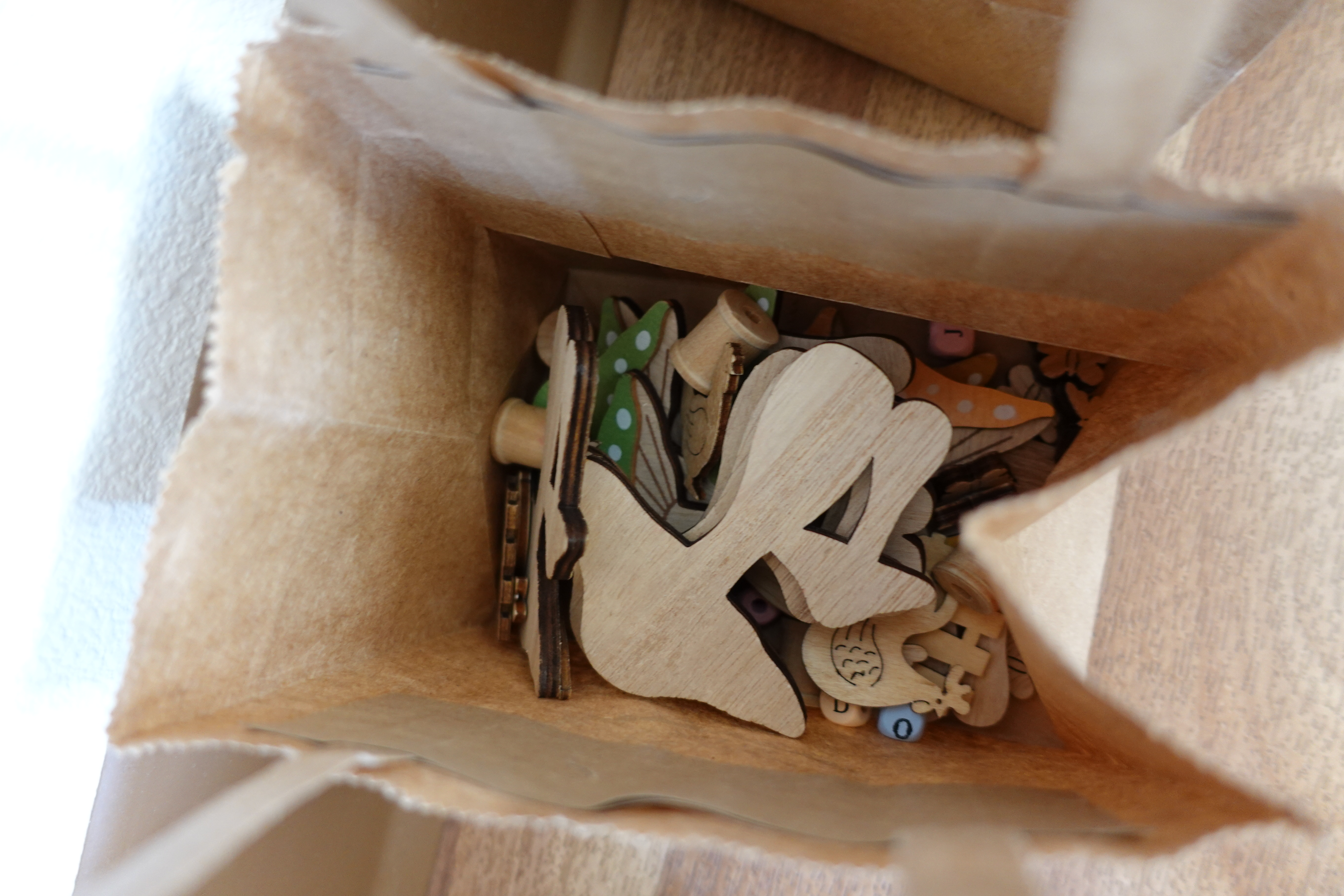
In my classroom, I have purposefully set out materials for fine motor development experiences and support. One item in particular that I add every school year is a Loose Parts Tray. This is a tray I put together with the intent of it being an open-ended tool that could be used in a variety of ways and positioned anywhere it needs to be in the classroom throughout the school year. However, we have found one place in particular that is preferred, and that is on top of one of our shelves. I chose staple items and seasonal small items to fill the tray throughout the school year.
Items I have collected for the Loos Parts Tray are of different textures and colors. Here are some examples of what I put in my tray for the students to use as their imaginations allow. (This list is just a short example.)
- rocks
- beads of various shapes, sizes, and colors (still small)
- tiny animals
- marbles
- plastic autumn leaves and acorns (seasonal)
The children utilize these small items for a variety of things, but mainly in the kitchen area. They love taking on the role of a cook, chef, restaurant owner, etc. Filling pots, pans, and various dishes with the loose parts from the tray serves a great purpose for them. First, the children are naturally accessing their growing fine motor muscles, assigning new roles to small objects, and figuring out what and how much of these items will fit into the various-sized dishes and containers we have. The children, while engaged in dramatic play, are using their imaginations to act out a story, communicate and socialize with each other, utilize and assign new roles to “loose parts”, and, without realizing it, gain experience in science, math, and language, to name a few content areas. Using their fine motor muscles happens naturally through their play and dramatic stories, and this is in part due to using the classroom as a teaching/ education tool. The classroom is a “third teacher” when used in ways that support, appropriately challenge, and stimulate interest for each child.
See parts 2-4

 The Marigold School of Early Learning