
Welcome back! :)
Today we will continue discussing ways to document children’s learning while adding how to honor the whole child and their social/emotional development. So if you are an early learning teacher or parent, please join this conversation with me! You may private message if you do not with to share with all. And of course, if you are neither a teacher or parent you are more than welcome to join our conversation! :)
When I think about how I’ve been inspired by the Reggio Emilia approach all these years, I think about the multiple ways of documenting learning and how that process enables me to continue to honor each child as a whole person and value their social/ emotional development. I mentioned in my previous blog post about the two ways in which I document the most, yet there are several ways and each really reflects the community in which you teach or the school your children are enrolled in. And of course, the country and region you live in will have different interpretations on ways to document that work best. Always remember there are no right, or wrong ways to document. The purpose of documenting a child’s learning journey is to not only see the growth and changes each child is going through as they learn, but it is a way for both teachers and parents to stretch children’s minds. Documenting allows us to look back and reflect on all the steps taken while the child was on his/ her learning journey during the early years of development.

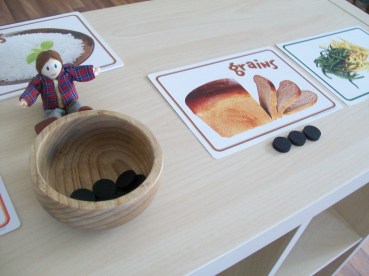
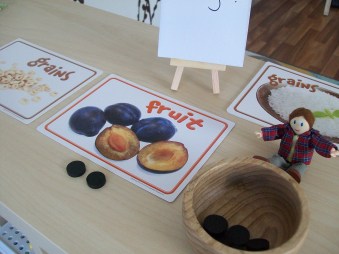
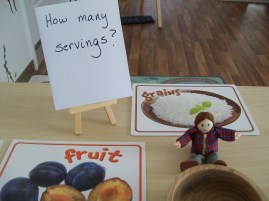
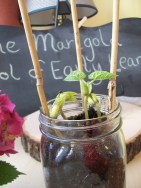
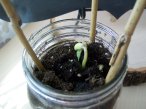
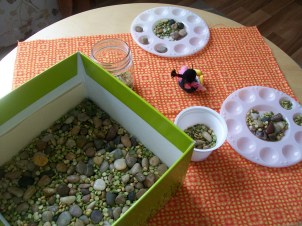
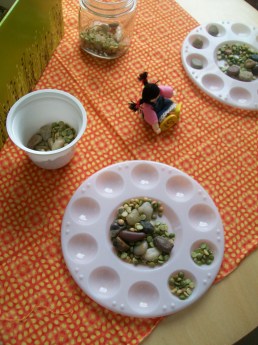
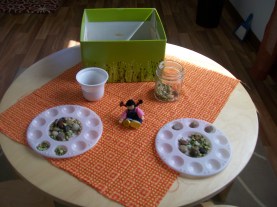
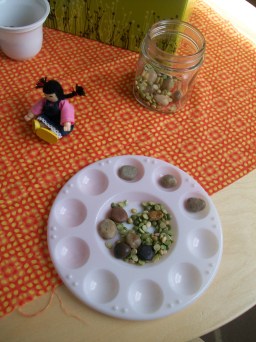
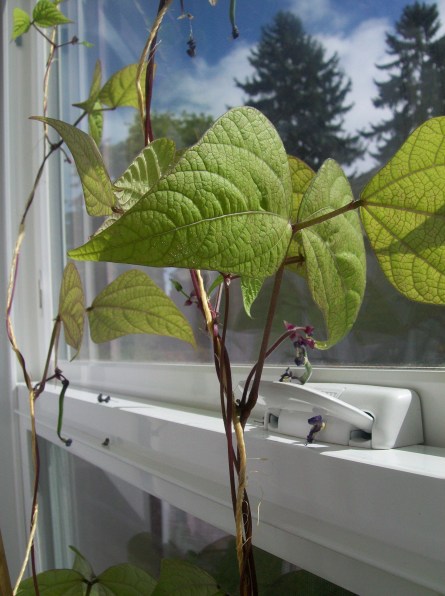
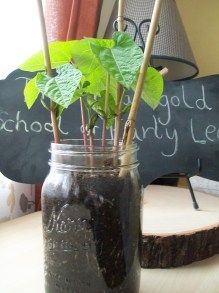
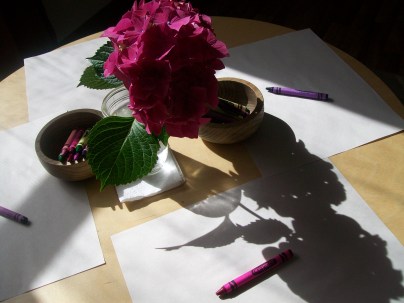
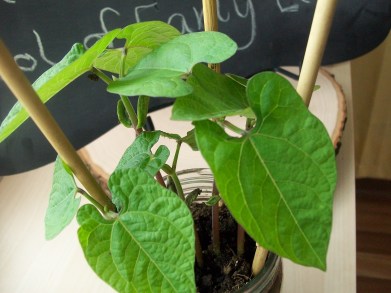
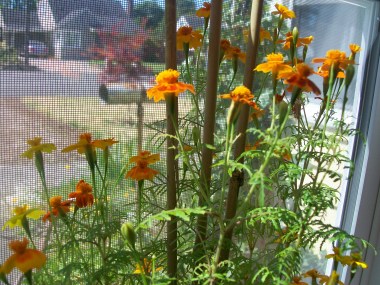
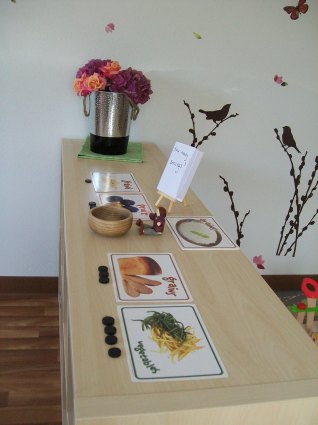
So as I mentioned before, I type, take pictures and write for my main ways to document. However, I love portfolios and in the past have experimented quite a lot with several different types from small to large. I learned a lot about what worked best and what just fizzled. Above I posted some pictures as examples of the types of play/ work a child will engage in on his/ her learning journey. All of these interests are ways in which children interact with their environment as a third teacher, and all are great experiences to document. For example, the first time a child tries to use the tools in the classroom can be a stressful experience, where some frustration spills out due to the awkward feel of how to twist the screw into the hole just right to make it tight or loose. After the child continues to manipulate the tools and gain more experience using them the child’s skills will improve to the point which they can add more things and construct a variety of projects due to their gained knowledge and ability. Awkwardness to confidence can be documented through pictures, scribing their words and feelings as they practice using tools. These documentations can be put in a portfolio and the child has access to that portfolio and can go back and look at it to see his/ her growth and transformation.
Another way to document that I often have really enjoyed and have not been able to do for a while is a mural of artwork the child has created throughout the school year. The mural can be large as they usually are, or you can miniaturize it by taking pictures and asking the child to put it into a picture frame. Along with this more visual documentation comes the child’s words about his/ her growth through the year in regards to their artistic abilities. The child’s words tell us a lot about what he/ she understands and can demonstrate how understanding has emerged and changed over time. The words are just as important as the stages of work and the final pieces produced.

Now on to social/ emotional development. This is often a topic that is not well respected in many traditional programs, unfortunately. A child’s emotions are paid lip service, but not actually taken into account when teachers are teaching their large groups of students and pushing developmentally inappropriate curriculum. In the early learning sector of education, there are more and more programs that are progressive and more in tune with the importance and life-long impact of social/ emotional development.
We must remember that children are people just starting out in life. They do not possess the life experiences older children, teenagers, young adults and older people have. The human journey of development is not short for most, it is long and as we all mature we gain a better understanding of our emotional intelligence. Young children are just becoming familiar with how to label the feelings each have within so they are not fully able to communicate how or why they feel the way they do. Often they look to us adults to explain and help them understand how they are feeling and why. Now happiness is a feeling that is most easy to understand, yet even young children cannot always express why they are happy. So it is really important to allow early learning curriculum to emerge with children as they develop and come to understand their emotions. Documenting this process is more about scribing their words and discussions and not so much about taking pictures.
Emotions are also calmed and ignited when we allow children to use tactile/ kinesthetic materials to either promote creativity or calm their nerves. We could go on about the positive ways in which sensory materials are excellent for helping children as they gain emotional intelligence, but that would take too long. So I will leave this portion alone for the rest of this blog post. We will return to emotional intelligence and development another time.

Social development is often linked with emotional development, yet it can stand somewhat alone. Children naturally begin their social journey once they are born and become a part of your family. As they grow and mature the circle of people they interact with grows with them. Sometimes, children are born into an environment where they are introduced to larger social groups sooner and some are born into smaller social groups and it may take more time for the opportunities to interact with other people to come about. Social development is vital to human growth and success. Children need to be around not only children their age but children older and adults. The more time a child spends interacting with people through family time, parties, playgroups, sports, artistic expression classes, childcare and preschool, the more those vital interpersonal and extrapersonal skills will develop.
As adults, we can document the social development of children by not only scribing their words and conversations, but we can take pictures of the group work they engage in whether that be an art, construction or dramatic play project, or sport and dance type class. We can document by really listening and observing how children’s first approaches to interacting with others unfolded and support each step through this developmental process. If we adults are not paying attention and not validating the child’s beginning and emerging experiences socializing with others, we are not valuing the whole child. So by making sure we put young children and their social development as a priority, we can eventually support the development of the whole child. Of course, in terms of the whole child, we have to look at all aspects of how a child grows during these precious early years and beyond. (I will revisit the whole child aspect along with emotional development in another blog post.)
Please like and share this posting! Also, please share your experiences with children and documentation and social/emotional development. I would love to learn from you too! :)
Thank you for stopping by The Marigold School of Early Learning! :)


Today’s discussion will revolve around the classroom as a “third teacher”. Having a preschool that is inspired by the Reggio Emilia approach to education, I have reflected and enjoyed the many years of learning how the classroom is like a third teacher. If any of you have ideas, thoughts, and experiences around this topic please join in the discussion! :) Also keep in mind that large spaces and small spaces will have some things in common, yet many other things that are not common.
Obviously as a teacher I was trained and have years of experience setting up classrooms and using those spaces to support learning. However, it wasn’t until I started learning more about the Reggio Emilia approach that I really took a good hard look at the teaching spaces both students and myself occupied. Once I really observed and set about reorganizing and shifting these spaces I was able to understand how the classroom itself could be another teacher supporting the learning of children. Trial and error is the best way to put it really. I spent a lot of time moving furniture and creating spaces for the children to engage in. After seeing the children function in those areas I would know what to keep the same or change. You’re
Creating my own preschool has allowed me to put to practice what I’ve been developing in my mind all these years. I am happy that my classroom will change with each group of children that comes through. My environment is a “third teacher” because I love putting the children’s learning needs ahead of my own desire for how the room should be. I change or keep things the same based on the patterns of play. If the room is not being fully used I change the provocations, move some of the materials to different interest areas and of course keep things the same for spaces that have been working for the children. Fortunately, the materials are very clear to see and easily accessible for children to find and use, so the classroom does get used in its entirety.
Another aspect of the classroom being a third teacher falls under the category of too many materials and wall decor contributing to overstimulation, while less is not as overwhelming and more conducive to learning. I have found that children do much better in clean, well organized, and aesthetically pleasing environments than they do in clutter-filled rooms with way too many materials and wall decor. So I’ve made sure to keep the materials that are out and available to children at a minimal so that they do not get as overwhelmed as they normally would in a more traditional program with bright primary colors everywhere. (I don’t know about you, but when I go outdoors, shopping or am at home, I am not bombarded with primary colors in all directions like most traditional preschools and elementary schools.)
Keep in mind that when young children come to school for the first time or change school environments the entire process can be very overwhelming for young minds. It does take a couple of weeks for some personalities to adjust to any learning environment. The first thought most of us teachers have when we see a child overwhelmed and not able to choose a space and engage in that area for long enough to actually go through the inquiry and investigation process, is to guide that child and in essence tell them where they should explore first, second and so on. Basically, control how they assimilate the new information they have been hit with. Yet that would be awful for that child because that child needs time to explore in the only way a young developing mind can. Young children are not adults and they operate differently than we do. They have energy!! They have the capacity to assimilate quite a bit of information by moving quickly through new spaces and trying out everything they want. It is through this process that they are able to learn how to plan, make decisions, question, explore and engage in projects and interact with peers. A young child’s mind needs a couple of weeks of consistent class time to allow their brain to transform from the assimilation of new information. Once the child has been through this haphazard approach he/ she is able to slow themselves and become more engrossed in the areas of interst each choses. So we can gain a lot from each other!
The environment as a third teacher is very helpful when children are becoming accustomed to new situations. As I’ve observed children in the beginning phase of taking in this new space, I have been able to gain information about those children’s interests, believe it or not, so I can set up provocations the next day that may entice each to spend a little more time in certain areas than they would have during this period of time in which they were acquiring new knowledge. Last school year I had a little student become super energized and excited to explore every inch of the classroom, but once this child gained all the knowledge from rapid explorations she settled right into planning the areas she enjoyed engaging in first , second and so forth. And as a teacher inspired by the Reggio Emilia process, I was so happy to learn from her as she went through this journey. I have observed many other children during this assimilation phase being treated as though they have either a learning disability or behavioral issue. And that makes me so frustrated because this phase is normal development and most of the human population actually did go through this either at home, a friends house, at school and most definitely if they moved to a new city. The duration in which children go through this phase of rapid and haphazard assimilation is different for each child, but please know this is absolutely normal and perfectly okay!
How has your teaching or understanding of children changed since using your classroom as a third teacher? How has your perception’s of your children changed as parents using your home as a third teacher? Please comment, like and share! Let’s keep these conversations going! :)


Dramatic play is one way in which children explore the concept of emotions. Usually acting out what each has observed from family members really enables young minds to formulate their own understanding of how to express feelings. This does not necessarily mean young children will fully understand the emotions they witnessed from family members, it just means they are taking in that behavior and making sense out of it the only way they can at this stage of their social/ emotional development.