

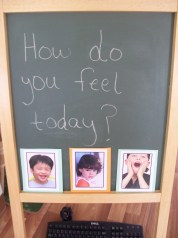
 This is a question we ask children all the time and they often will give the “expected” response rather than their true feelings. So to help support children’s need to express their true emotions and explore what those really are, give them the words they need so each can accurately express how they feel. “How do you feel today? Do you feel happy, tired, sad, mad, excited..etc?”
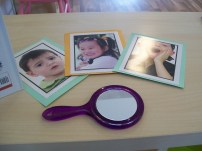 We all have emotions, yet the differences between adults and their awareness of how they feel and why is not yet fully developed in young children. So we can support their development of those layers of feelings through various concrete means. Having picture cards and mirrors available to children for them to explore, question and mimic. Being nearby to offer advice, give suggestions and answer their inquiries will support their growing understanding of emotions.
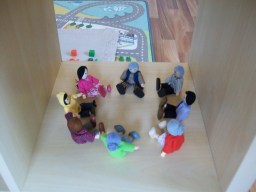 Dramatic play is one way in which children explore the concept of emotions. Usually acting out what each has observed from family members really enables young minds to formulate their own understanding of how to express feelings. This does not necessarily mean young children will fully understand the emotions they witnessed from family members, it just means they are taking in that behavior and making sense out of it the only way they can at this stage of their social/ emotional development.
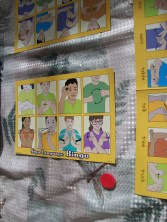 Sign language is also a great concrete way to help children learn about how to communicate their feelings. Following the Reggio Emilia philosophy, children communicate through 100 different ways, or so to speak. There are many ways in wich children express their emotions and, we as adults have to take the time to really listen, observe and pay close attention to the behaviors surrounding children’s communications to fully be able to support their social/emotional development. And that really does mean not dismissing the small things that happen to children on a daily basis that may not affect us as adults, but really does impact a young child’s feelings. Being sensitive to children’s emerging feelings has a far greater impact than being aloof, distant or even cold. Remember that we adults role-model behaviors we would like to pass on to children, so role-model compassion, understanding, and caring.

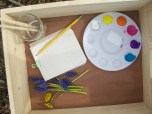
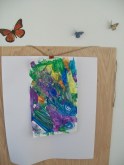
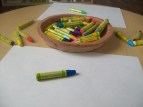
Reading, drawing, painting, and coloring are some really fun and developmentally appropriate ways for children to explore their emotions in a safe and fun way. These forms of artistic expression enable children and adults to open a dialogue surrounding feelings and how we express our emotions and why we have the many feelings we experience.

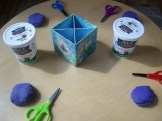
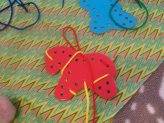
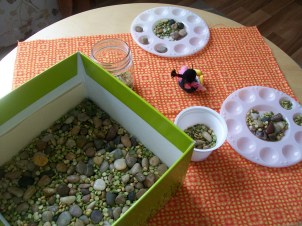
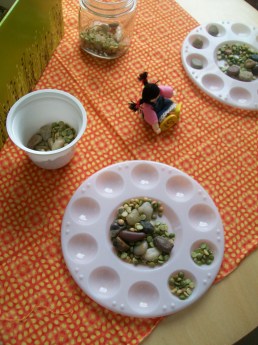
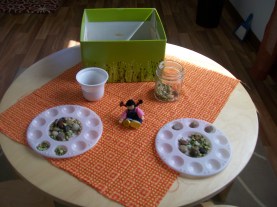
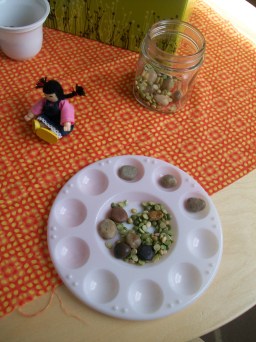
Sensory exploration is also a great way to foster open communication for young children learning about their emotions and how to communicate their feelings. Sensory materials enable minds to relax and calm any anxieties they have, so it is natural for children to open up about issues that have been bothering them or happy experiences they have recently been a part of. The key to being a great support is to always listen. And that is true for all communication, even for adults; listening.
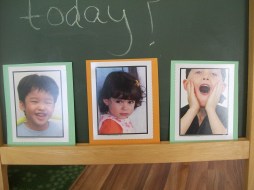 Each morning as you start the day you may want to ask yourself, “how do I feel?”. By doing this one simple thing you can better prepare yourself for supporting young children and their emerging understanding of emotions. It is often true that if we have a good grasp of our own psychological well-being, we have a better ability to help others. And the people that need our expertise in this area are young, energetic and growing children! :)
Heidi Scott, BA & MIT
The Marigold School of Early Learning! :)



























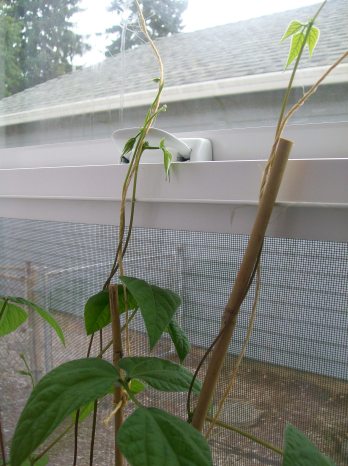





 Week three and my bean plant is doing great! I put up the hooks and string in the window and hopefully the runners will travel in the direction I want them to. I don’t think there will be a problem with the plant till later. I just need to make sure I fertilize good.
 I only planted four beans and all four sprouted. I think bean leaves are so pretty. They are nice and big and the sun shines through them illuminating the green leaves as a bright light.
 This picture captures the direction the light was casting the hydrangea shadows. True, the children would have to negotiate who drew first and move with the shadows, but I think that is a great way to work as a team, possibly problem solve and collaborate. The complexity of the object’s shape and textures will also determine the complexity of the shadow too.
 The Marigold School of Early Learning