Preschools The Marigold School of Early Learning

Seed Planting with Recycables!


Finally, we’ve had several days of sunshine and no wet weather! :)   With enough warm sun pouring through the windows my seeds were ready to be planted.  I saved up some applesauce containers, egg cartons, and coffee pods to use for my seed planting.  In the above picture I planted some red sunflower seeds,  and one if not two have already sprouted and this is just day 3!

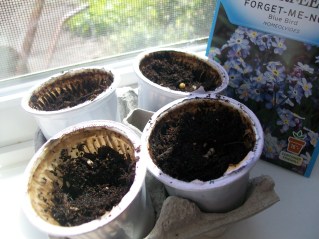
101_6507 Some forget-me-nots I planted in used coffee pods.  I emptied out the coffee to use as fertilizer outside and then placed some potting soil int these tiny little cups.  To stabilize them since they are not perfectly flat, I put them inside egg cartons I cut into thirds.  My fingers are crossed they sprout soon!

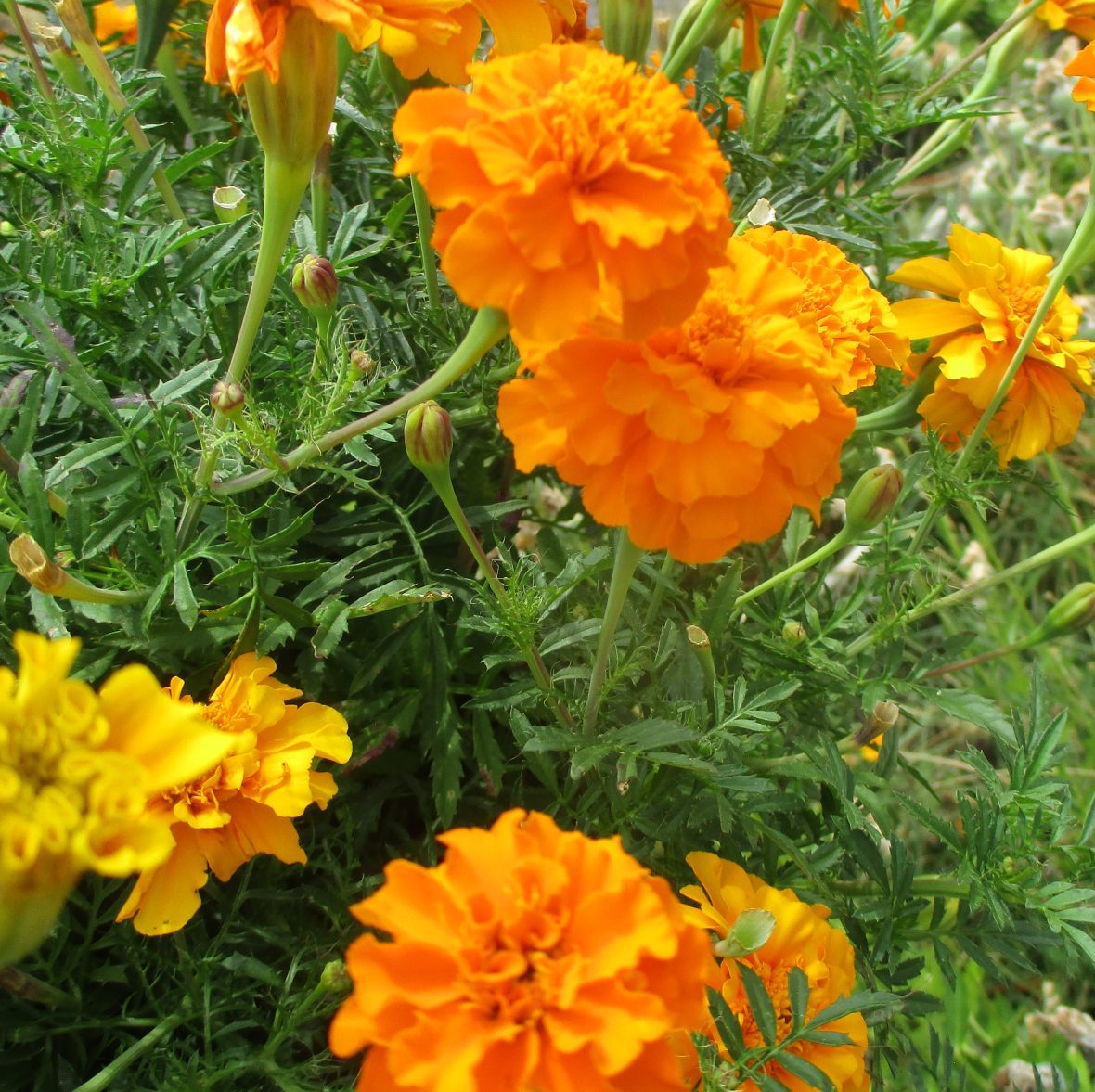
This year I was able to plant some of the seeds my indoor grown marigolds left behind at the end of their life cycle last spring.  Only one sprouted, but I planted more. :)  It is doing really well for now.

cropped-101_5663.jpg


Be sure to use your own recyclables when starting your flower or vegetable seeds.  See what happens, do they work or not? :)

Walk, ride a bike or drive to The Marigold School of Early Learning!

Preschools The Marigold School of Early Learning

Week 6 Beans!

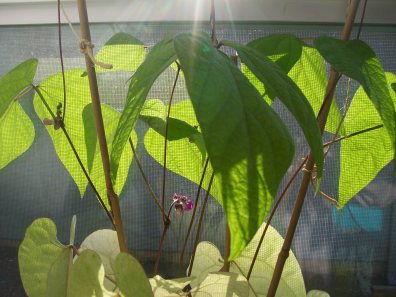
101_5705 Week 6 blogging is a bit late.  Sorry about that, I was a tiny bit busy. :)  I really am enjoying the pretty purple flowers on this bean plant!  The bottom leaves are loosing their color too soon in my opinion, so I added some fertilizer.  I realize I have no bees to pollinate, but I’m still hopeful this plant may produce one bean!

101_5703 The vines have really taken off and are almost at the very top of the string I attached.  A nice amount of little purple flowers can be found over most of the plant.  I love this shade of purple, so I’m so happy the flowers are not white, but colored! :)


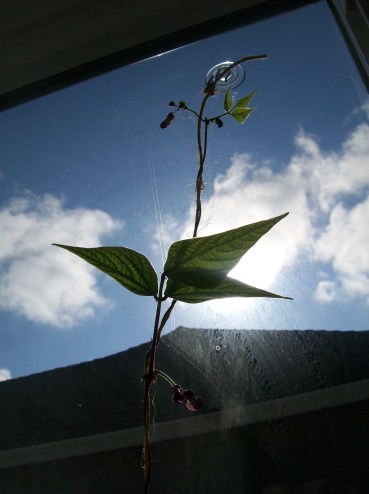
You can see here that the vines have been steadily growing.  They just needed a little help when they first started.  I am eager to see how far these little bean plants will grow before saying good night.101_5702

101_5700 If you have ever tried growing beans indoors just for the fun of it let me know how it turned out!  I’m not talking about growing starts for gardens indoors, but just seeing how far your plant flourished inside.  So far my window by my little kitchen area has a lovely window curtain of bean leaves, vines and purple flowers. :)

Heidi Scott, BA & MIT

The Marigold School of Early Learning


Preschools in Vancouver, WA, Preschools The Marigold School of Early Learning

Green Apple Cinnamon Play dough

100_9472

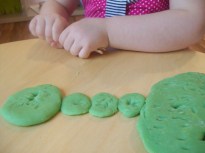
Apple cinnamon play dough not only smells good, but this batch turned out super smooth and very malleable! Notice the above picture is of a young child starting with a medium sized flat circle of dough and then following it are three small ones with the last being super large.  This child started each piece by rolling each into a ball and then using both elbows, flat hands and her stomach to smash the dough flat.  Comparing the size difference between circles was not a Teacher directed provocation.  This child chose on her own to compare the sizes of the five circles she made herself.  Each time a child creates or constructs he/ she is cognitively and physically forming knowledge about that object and shape.  The young mind takes into account the smell, color, texture and how this medium changes and in what ways.  What better way to really understand shapes than to actually create them from a material designed just for young hands and minds.
100_9534

The next day apple cinnamon play dough was of great interest again, but more use was made with the adjoining craft sticks.  This time following a similar theme as above, this child chose to line up the sticks side by side. Comparing the same size and shape of each stick was the purpose.  And it was entirely the child’s idea.  Compare and contrast is also a concept that neatly fits into shape building.  Children explore the world around them by using tactile senses, eyesight, hearing, and movement as well as oral and sign language.  The whole child is engaged and the whole mind constructs the building blocks necessary for further academic learning.

100_9527
 

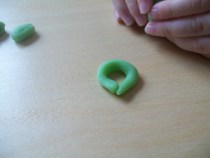
Small hands formed the letter “O”.  This “O” is for now a representation of my name.  Yes, it is not a letter in my name, but it is a start!  Emergent curriculum happens when young minds show internal interest and motivation to understand.  My job is to make sure to support and draw out the knowledge from within and add to it as we go through our preschool journey.


Heidi Scott, The Marigold School of Early Learning

Preschools in Vancouver, Preschools in Vancouver, WA, Preschools The Marigold School of Early Learning

Play Based Learning

2008-01-01 12.33.46  2008-01-01 12.34.04

Cars and Blocks! :)  A three year old child decided that cars and blocks go nicely together and so began construction of a large one story building and some nice parking spots for cars.  And some cars park upside down. 

2008-01-01 12.34.42  I absolutely love how this child decided the parking spots should be on tall polls!  What do you think, is this the future of parking?  Maybe when cars fly like on the “Jetsons”? :)  Again mathematics and yes, physics are happening here.  This child put those cars on the pulls many times because gravity and balance claimed them.  Finally with much persistence they stayed put.  

2008-01-08 12.32.22 Moving along from cars and blocks, we find that using scissors to cut play dough is a great way to practice proper form and to strengthen our fine motor skills. This child follows a normal developmental pattern of going back and forth between using two hands to open and close the scissors and using one hand to cut and one to hold the object needing cutting.  As a mentor and guide in this situation, I modeled it once and let her try.  I encouraged her to keep trying when she felt it was too hard.  And she did wonderfully on her own! :)  The next time we used scissors for paper and for play dough she allowed me to model it once and she tried it until she felt satisfied.  

school pics 015  Heidi's School Pics 037  school pics 021

school pics 032  100_8047

Heidi Scott, BA & MIT  The Marigold School of Early Learning :) 


Come join us at The Marigold School of Early Learning!  We would love to play with new friends and together plan many exciting and new projects!

Preschools in Vancouver, Preschools in Vancouver, WA, Preschools The Marigold School of Early Learning

Following the Interest of a Child

Before we went on winter break I captured these pictures from the morning preschool sessions. :)


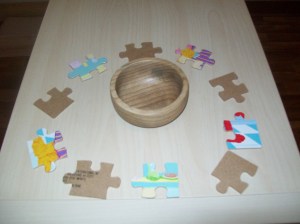
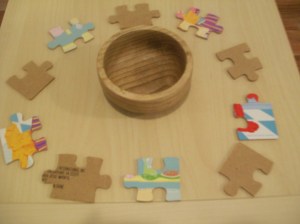
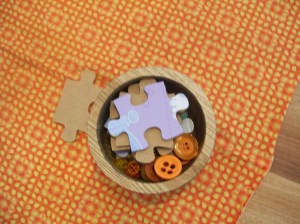
2015-12-08 08.08.34 Using puzzle pieces and a small wooden bowl I set up a provocation for the morning. :)

2015-12-08 08.08.50  Here is  a small example of emergent curriculum.  I based this provocation off of what I saw happening in class.  The week before a three year old child used dominoes and cars to create pictures, so I thought why not try the same idea using puzzle pieces.  Again, I do not expect and am not crushed if a child does not take interest in a provocation, it is a learning process for both myself and the students.

2008-01-07 13.12.45  What ended up happening is the puzzle pieces were moved to a piece of fabric in the Reading Corner and buttons were added to the bowl.  And that is when a child’s imagination took over! :)  The puzzle pieces and buttons became cat food!  And as I was documenting this emergent process I also observed a strong interest in cats.  This particular child has a pet cat, so no surprise with the interest.  This is leading me to adding a few more cat books to our Reading Corner and non-fiction ones as well.  

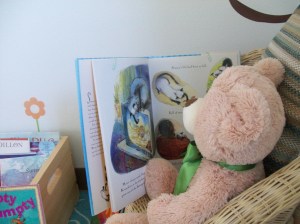
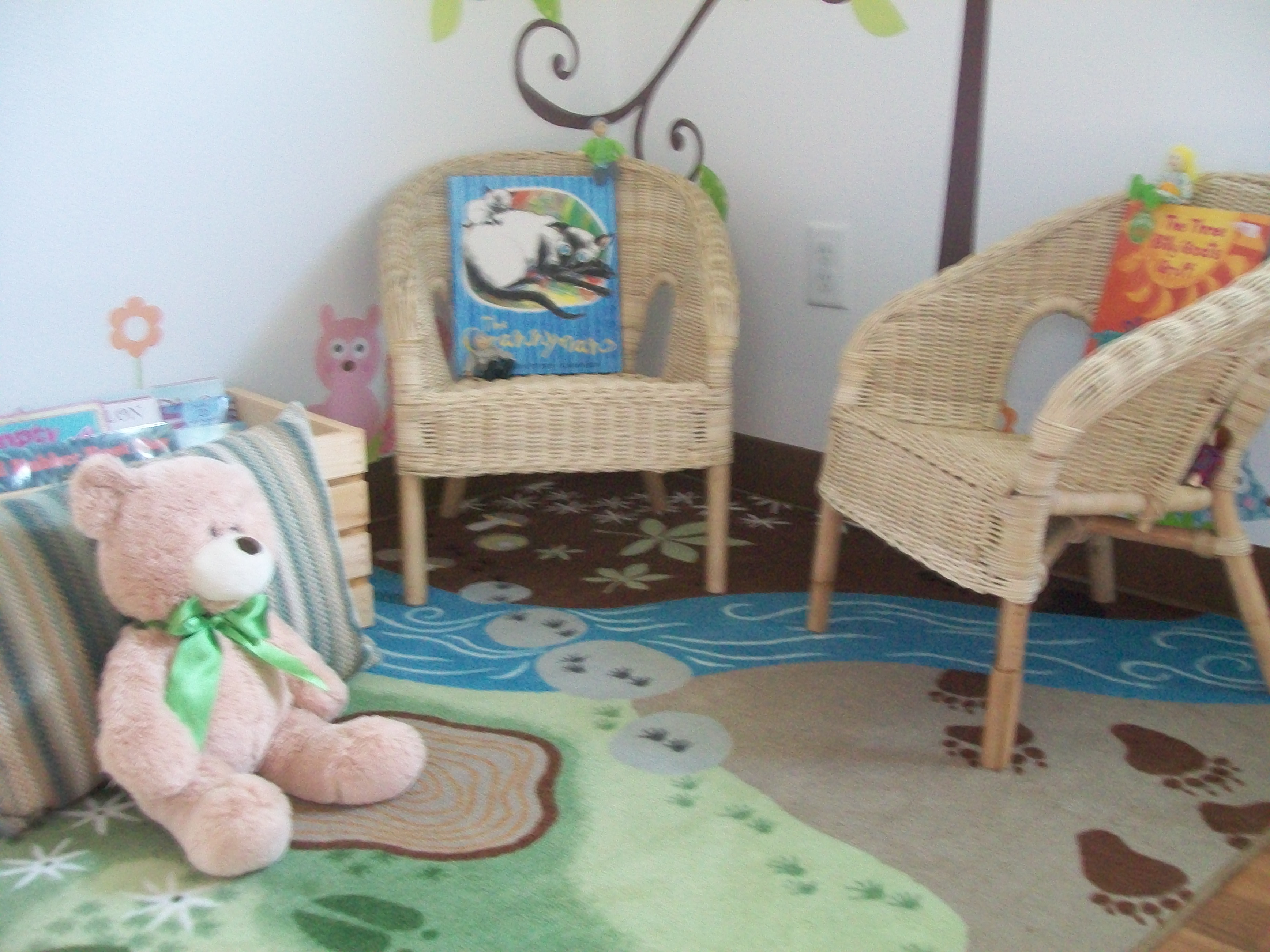
school pics 023  Here is an example of  little bear and a cat book.  Since interest in cat behavior is showing up in play so strongly, I am going to incorporate facts about cats and see what types of provocations I can set up to entice young children’s interests in cats or other animals.  The content areas that will be covered will include literacy, art, and science.  How interested the children are in the topic will determine how deep we go into the content areas, but I can tell you from years of experience that when young children are interested in a topic, deep and meaningful learning experiences are the result.  And the wonderful thing about it is that is all stems from the children and is not topics forced onto them by the Teacher. :)

Heidi Scott, BA & MIT

The Marigold School of Early Learning

Preschools in Vancouver, Preschools in Vancouver, WA, Preschools The Marigold School of Early Learning

Provocation and a Child’s Interest

100_8315  100_8316

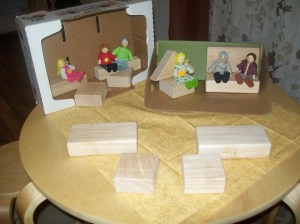
I’ve talked before about how young children sometimes will be curious about a provocation or not.  I’ve also talked about how using the materials you have is a great way to incorporate recycling into your curriculum.  Above I had set up a small provocation using boxes, blocks and wooden dolls, our fairies.  And I used a piece of fabric to place them all onto.  I had no idea if this would be an interest or not, but I tried anyway.  

It turned out that one of my students chose to remove the blocks from the table and take them to the construction/ block interest area to build with.  The boxes, dolls and fabric were all left behind.  So I decided to follow this child and put the boxes and dolls in the construction/ block area too.  At first block building dominated and no interaction with the dolls took place.  However, just as I was about to give up on my provocation entirely, this student decided the dolls needed furniture. :)

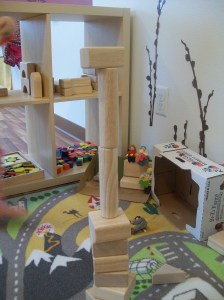
2008-01-01 12.27.51  It turns out that the provocation wasn’t a fail as I thought it was.  This child made it her own and took it in the direction she wanted.  She moved the blocks to an area she could build, then she used the blocks to make furniture for the dolls.  She explored, constructed and planned using her own timing and ideas.  I mentioned the word “planned” second because often times young minds construct first and formulate ideas and plans as they go.  Constructing knowledge as they engage in hands-on projects enables their young minds to experiment with the many ideas running through their heads.

Sometimes it can be very difficult as a Teacher to sit back and wait.  Sometimes it is important to follow the child’s lead and then step back again.  Waiting, watching and listening are all part of  the documentation process and of being a Teacher, Mentor and Facilitator.

100_8294  As this child started to story tell about the dolls/ fairies she used our wooden tool bench, tools, and alphabet puzzle pieces and incorporated them into her story.  This child was also integrating the content areas such as mathematics when building, for example, measuring, comparing sizes, shapes and balancing each block.  She also entered into literacy development when she started story telling. Allowing young children to express their individual ideas and creative thoughts is all a part of a strong learning foundation.  This simple example is what enables children to take risks with their learning as they grow older.  We want children to have confidence and the ability to make difficult decisions as they grow into adulthood and become responsible citizens.  It all starts in the early years of development.

Heidi Scott, BA & MIT :)

The Marigold School of Early Learning

Preschools in Vancouver, WA, Preschools The Marigold School of Early Learning

Oak Trees

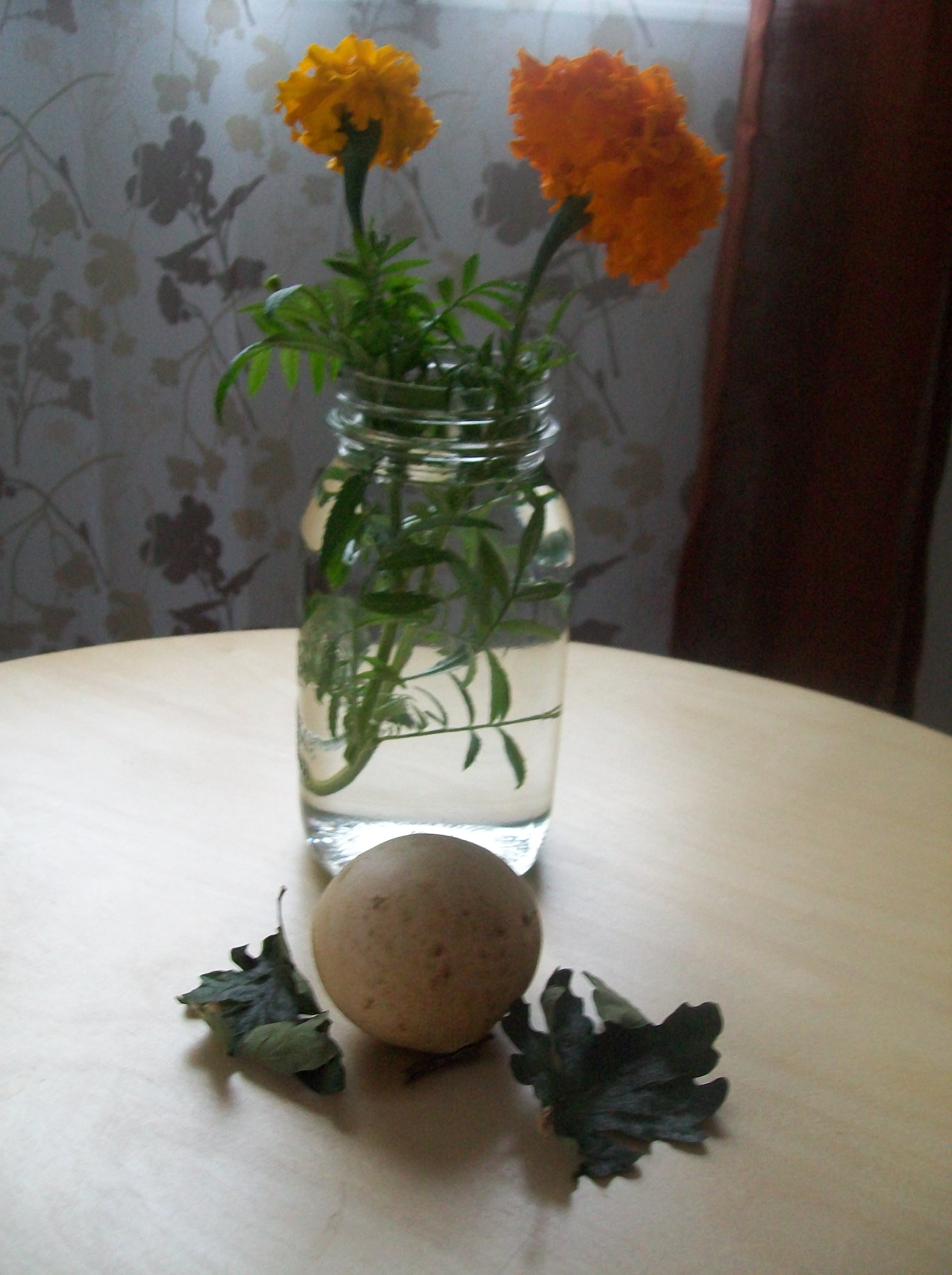
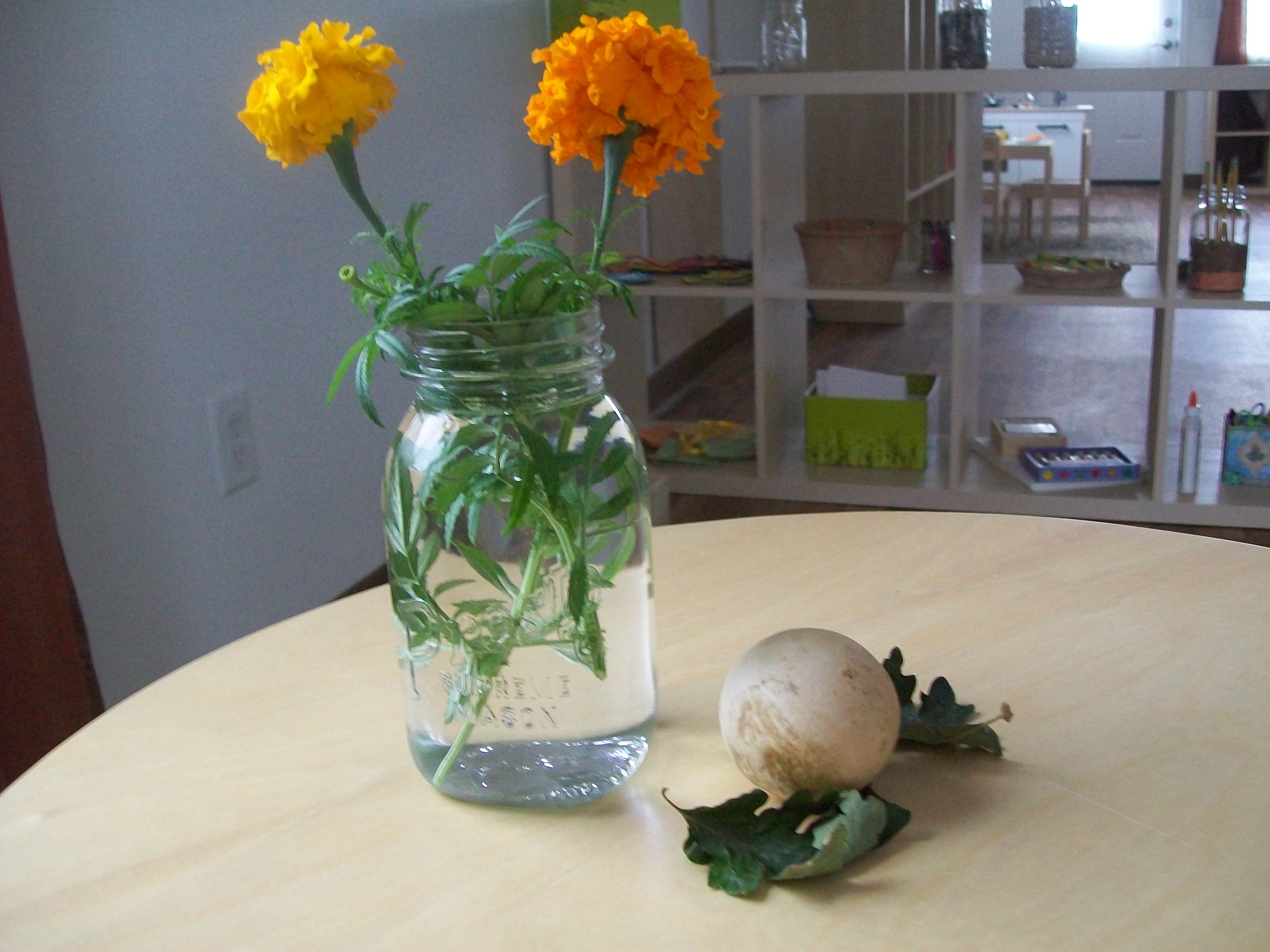
100_8126 Oak trees are so pretty, but sometimes they will react to bees trying to infest the branches to make their nests.  The infestation causes the tree to form galls.  In the picture to your right are two oak leaves and one example of a gall.  For those of you who have oak trees galls are something you may want to get rid of, but for the purposes of education I wanted to explore this as a provocation for young minds.
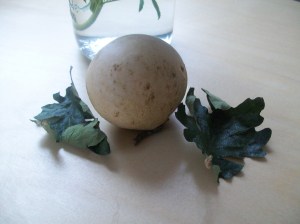
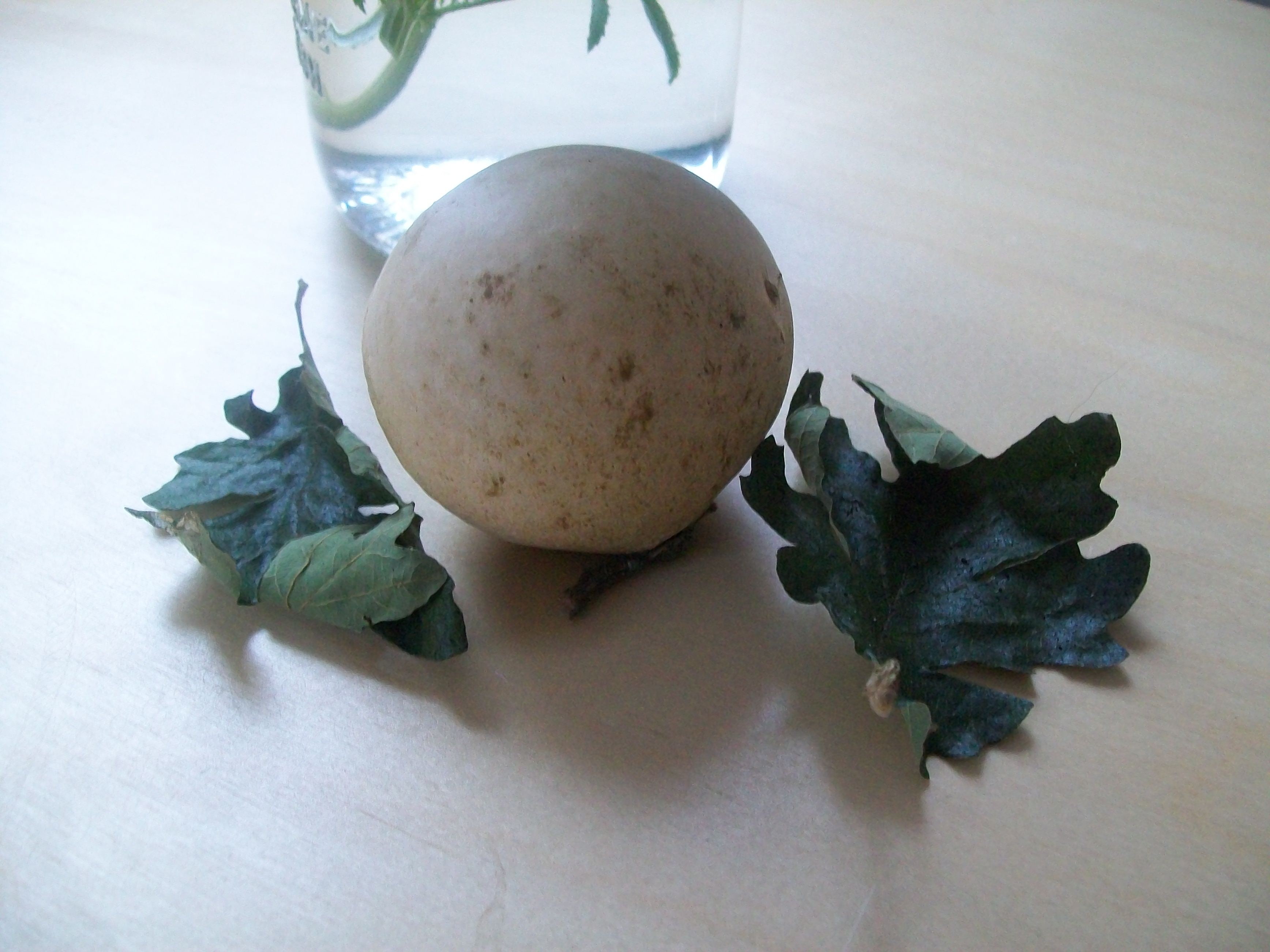
100_8129 Here is a close up of a gall from an oak tree.  Notice the cream color with darker brown spots.  Galls are a great way to teach children about how not all plant life is meant for insects and how insects can hurt a tree.  For young children I would start out with stories about the specific tree or plant life I want the children to explore.  This may not be an interest to the children yet, but once we visit the topic in very well may become a huge interest.  To learn more about the tree I would encourage discussions around the topic.  Next I would set up a project approach with the children.  This way the children are partners with me, the Teacher, and will be engaged in the whole process of learning about galls without this being a Teacher driven and directed project.  The children will plan each step of the project with the Teacher; we are partners in learning.
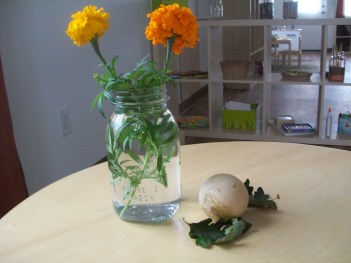
100_8130  For a project approach, like other first steps in provocations there are many questions.  So the children and I will ask questions about what a gall is and how it is formed and why does it grow?  I will write down all of the children’s questions and all of my questions.  Next I want the children to not only be exposed to the books that tell us all about oak trees, but I want pictures of healthy and unhealthy oak trees.  Oak tree pictures with no galls and ones with galls.  Having a real gall and leaves for the children to touch and feel and examine is always my preferences for young concrete minds.  From our initial discussion the children and I will go back and forth with more inquiries, explorations and ideas to express understanding in different ways.  In other words we will use all of our materials  and interest areas to explore this scientific topic.
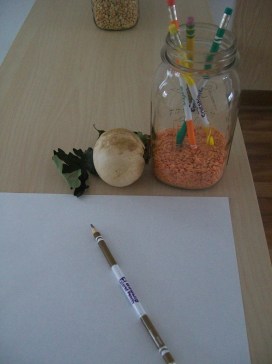
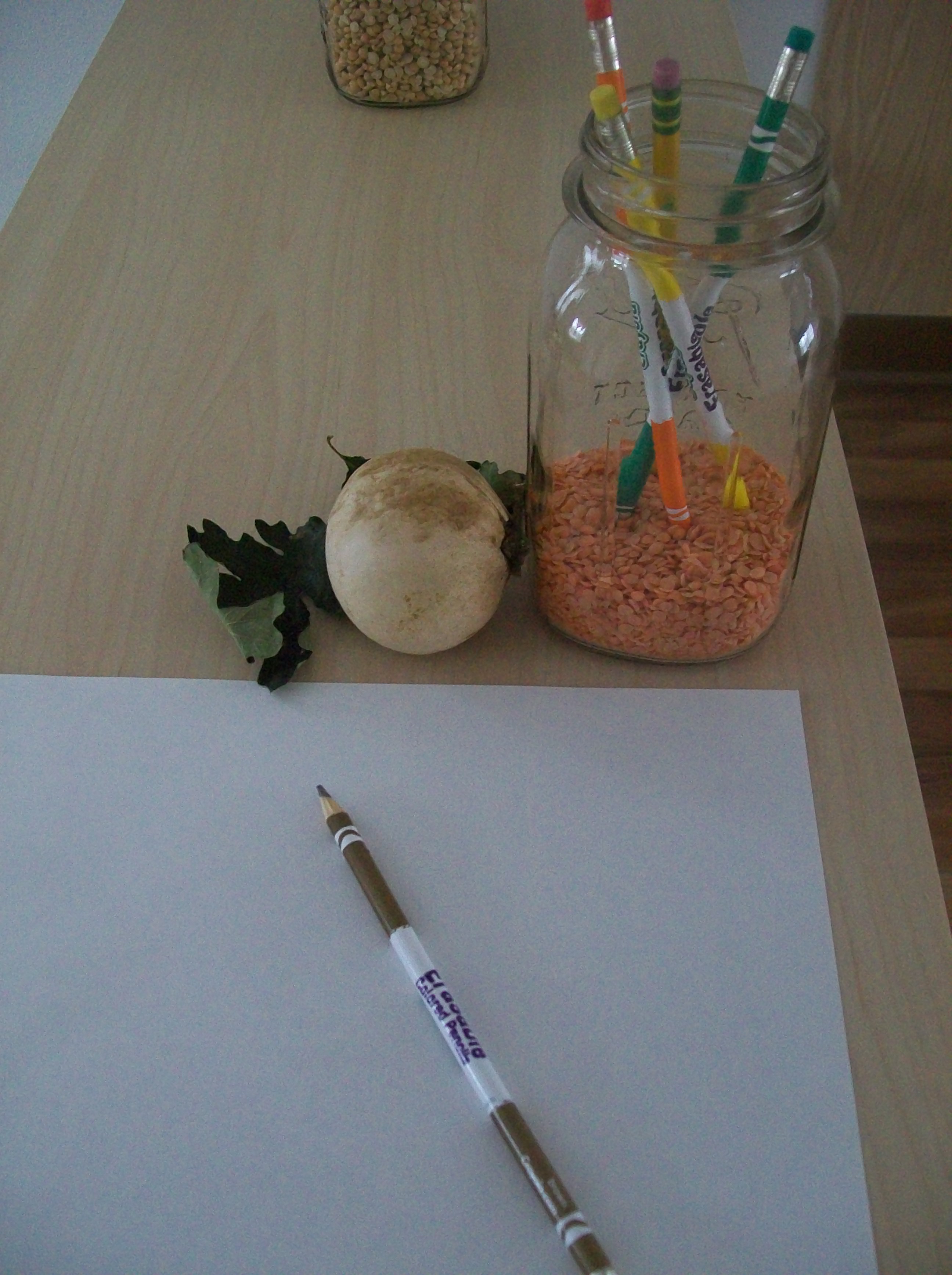
100_8134  One way in which the children will construct knowledge about this subject is by drawing their own version of a gall.  So I’ve set up one provocation allowing for only one child at a time to examine and draw the gall if she/ he chooses to.  For a project approach other areas of interest are set up with more information about oat trees, so the rest of the class is engaged in different investigations of oak trees and the formation of galls.  With projects their are aspects that children will engage in together as a whole group, in two’s as a team or as individuals.  All aspects will come together as a whole in the end.  Depending on how in depth the children wish to go with this scientific inquiry, we may end up doing a culminating event in which we not only show the process from start to finish and all of the in between, but all of our reflections as well.  We may be able to display our findings and put together an event for families to come and learn about galls too! :)
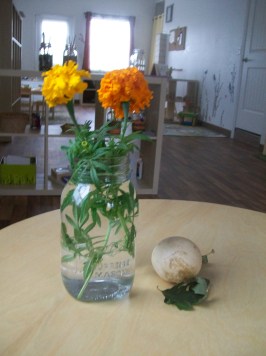
100_8131  One thing to always remember is that no matter what content is explored and used throughout the project, the children are the ones leading the way with their interests.  As the Teacher I am a support, facilitator and partner in this project.  I am not giving direct instruction and telling the students what they need to know about oak trees and galls.  I am the one providing rich scientific literature and a variety of resources for the children to explore this subject thoroughly.   I don’t want children to skim the surface of subjects, I want them to dig deep and actually learn about the world we all live in by constructing knowledge together.  I want to prepare and strengthen the foundation for all future learning.  Young minds are capable of deep understanding if only given the chance and faith from the adults around them. :)

Investigate the formation of galls on your own and see what information you find!  Share the types of plant explorations you’ve investigated with your young minds!  I would love to read all about your experiences too! :)


Heidi Scott, BA & MIT  The Marigold School of Early Learning!

Please Like and Share This Post!
Preschools in Vancouver, Preschools in Vancouver, WA, Preschools The Marigold School of Early Learning

Clay, Buttons and Oil Pastels

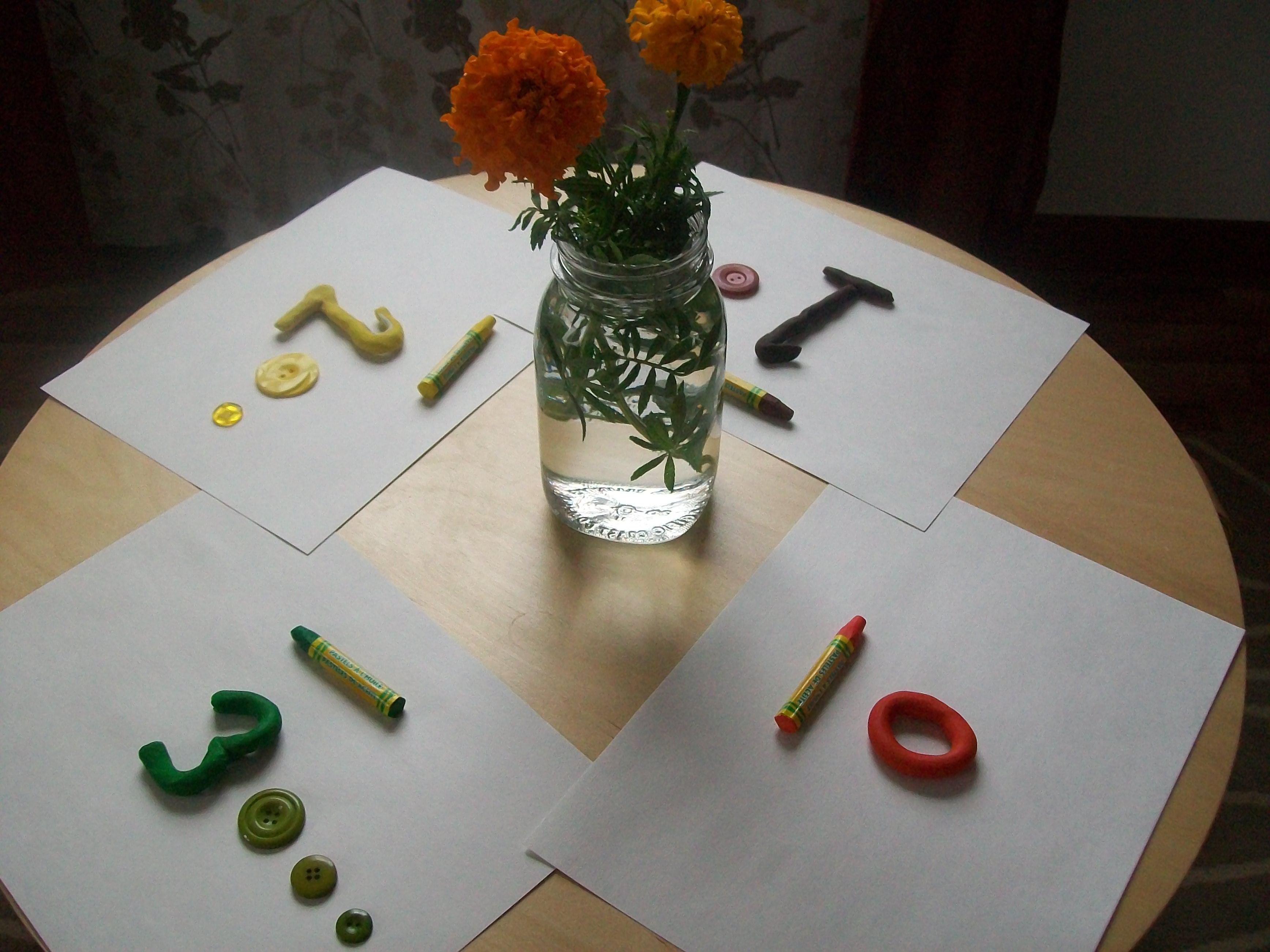
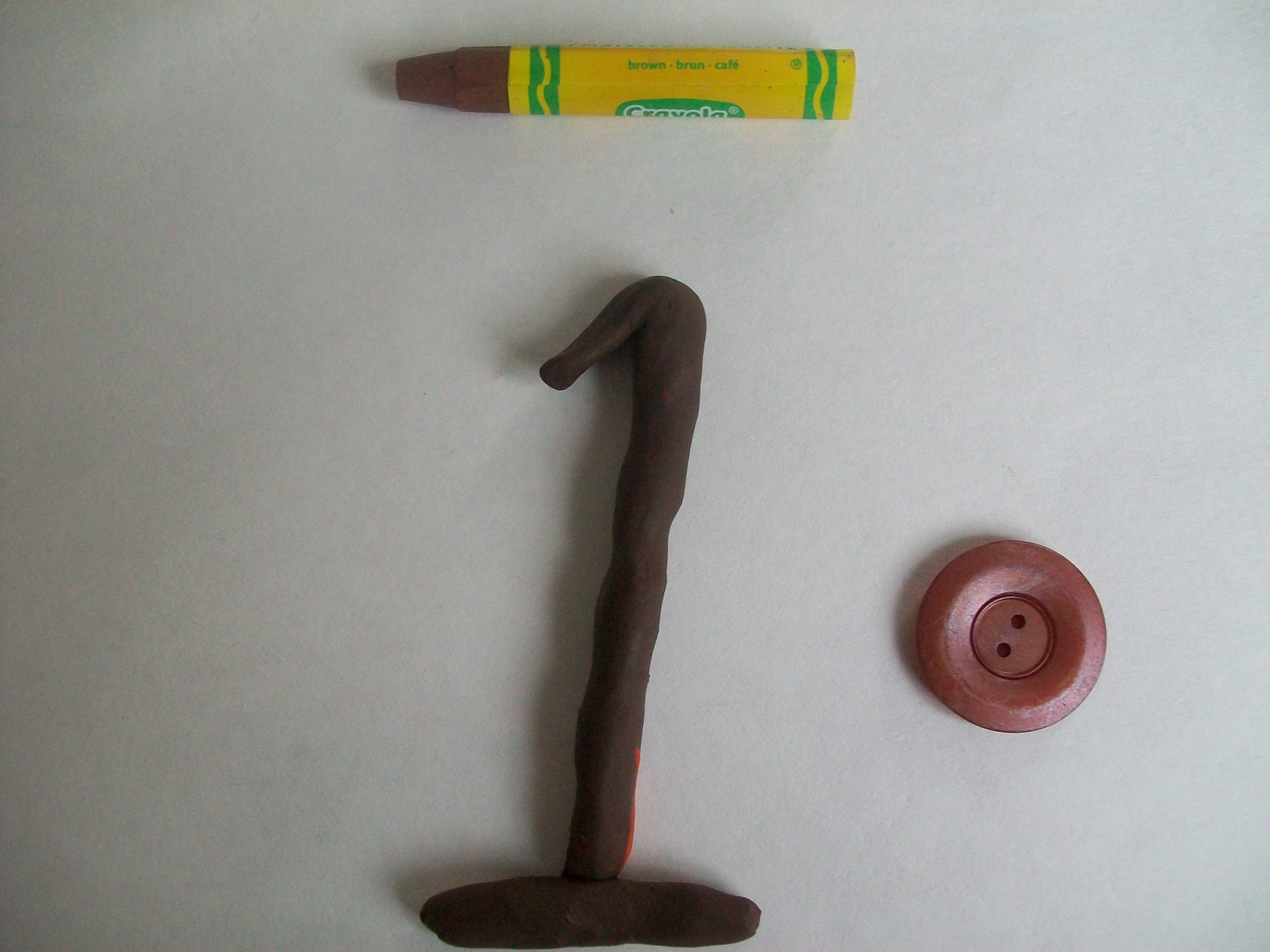
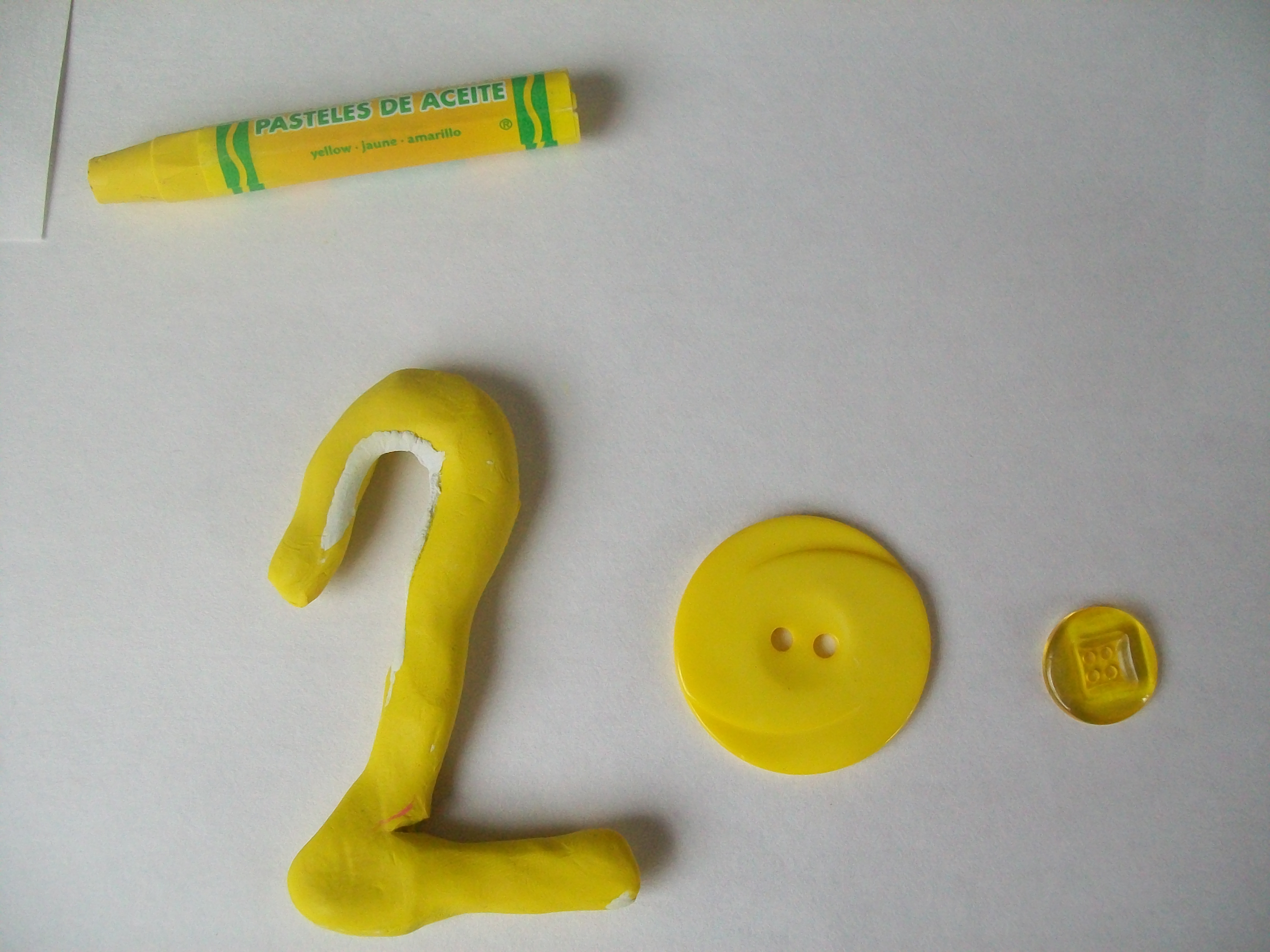
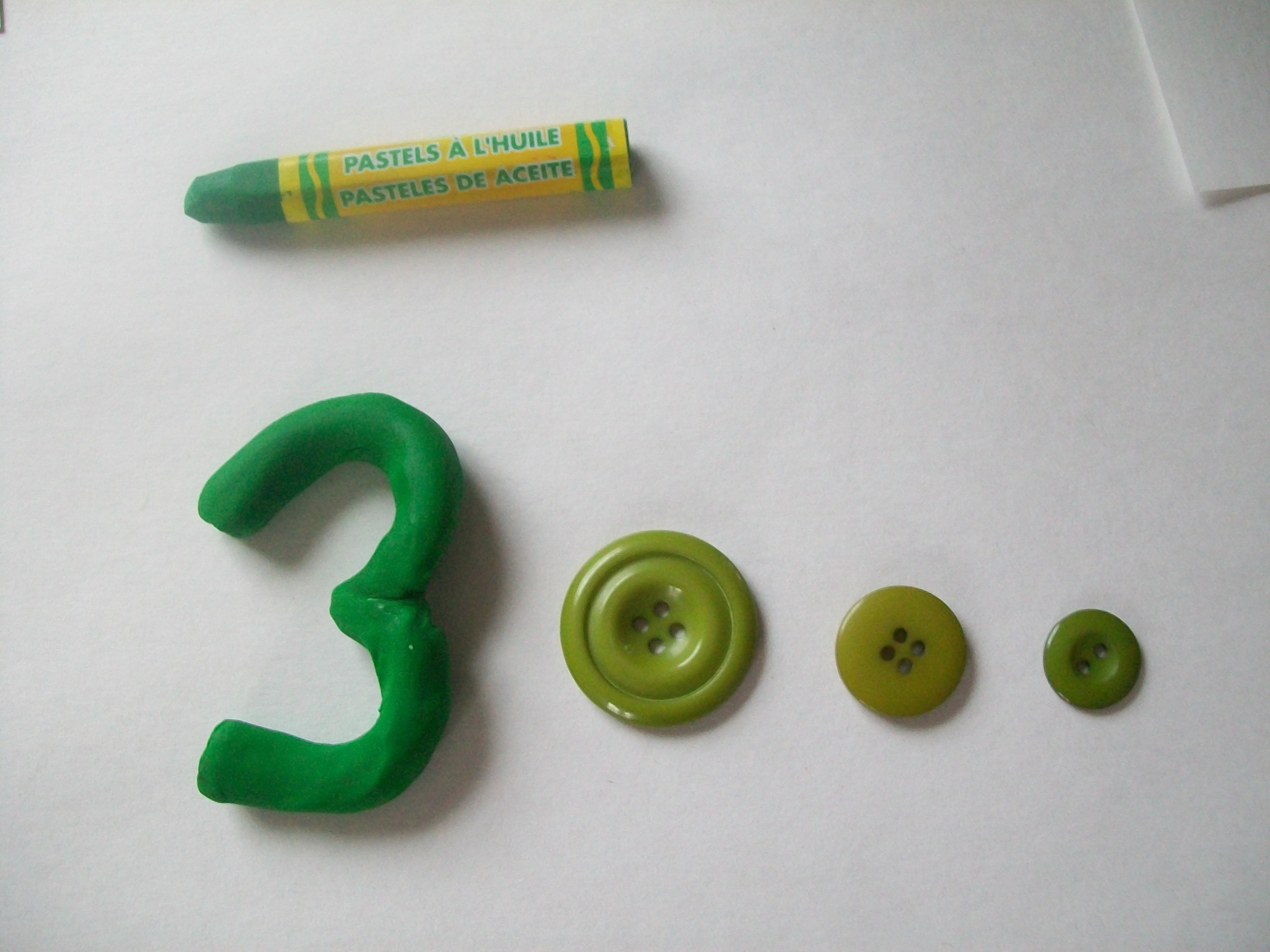
100_8083  Using clay and buttons as a simple number provocation is another way to incorporate mathematical experiences into your classroom.  Some children will come over and use the oil pastel to try and trace the number and the buttons.  Other children will copy the number and buttons free hand.  And still others may squish the clay and use the buttons to create something entirely different.  Children not so comfortable with textures like clay will push the clay aside and use the oil pastel to draw instead.  These are all things I have seen many children do each time I’ve done this provocation or a similar one.  

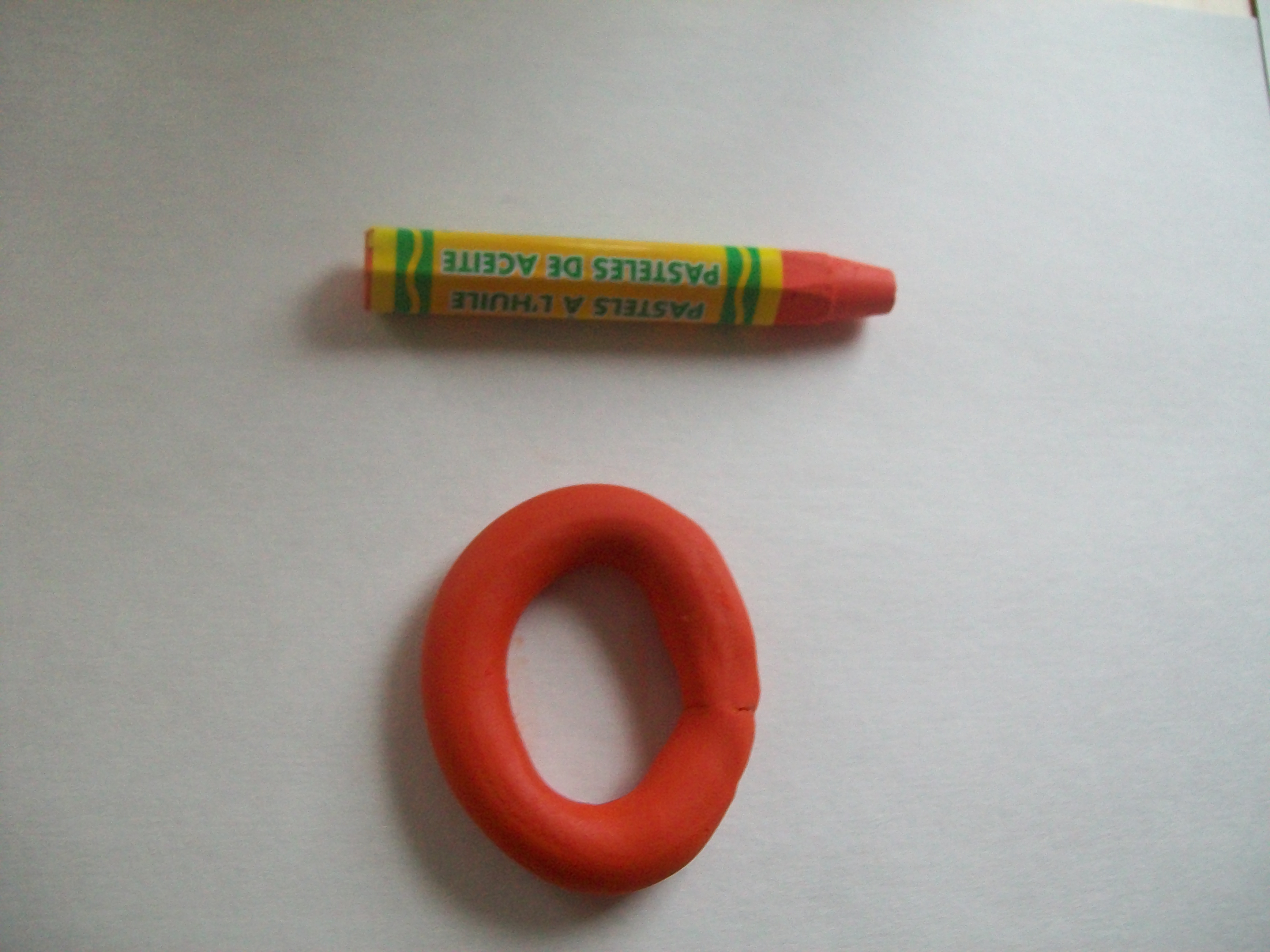
100_8084  Provocations like these are meant to get the children thinking.  When asked, “what number is this?”  “Zero!” is always the reply.  Zero is also a circle shape, head, eyes, balls etc.  Children will take this as a number symbol or use any of the other forms it takes to create a unique picture.  Sometimes a child will have a lot to say about his/her creation and other times just the moments spent working with clay and allowing themselves to relax before engaging in other areas that require social interaction will be enough.  What each child gains from a provocation is not always up to the Teacher.  Children will stick to the surface or dive deep with their inquiries, explorations and creations.  As a Teacher I am close by to push the child’s thinking a bit further when I can.

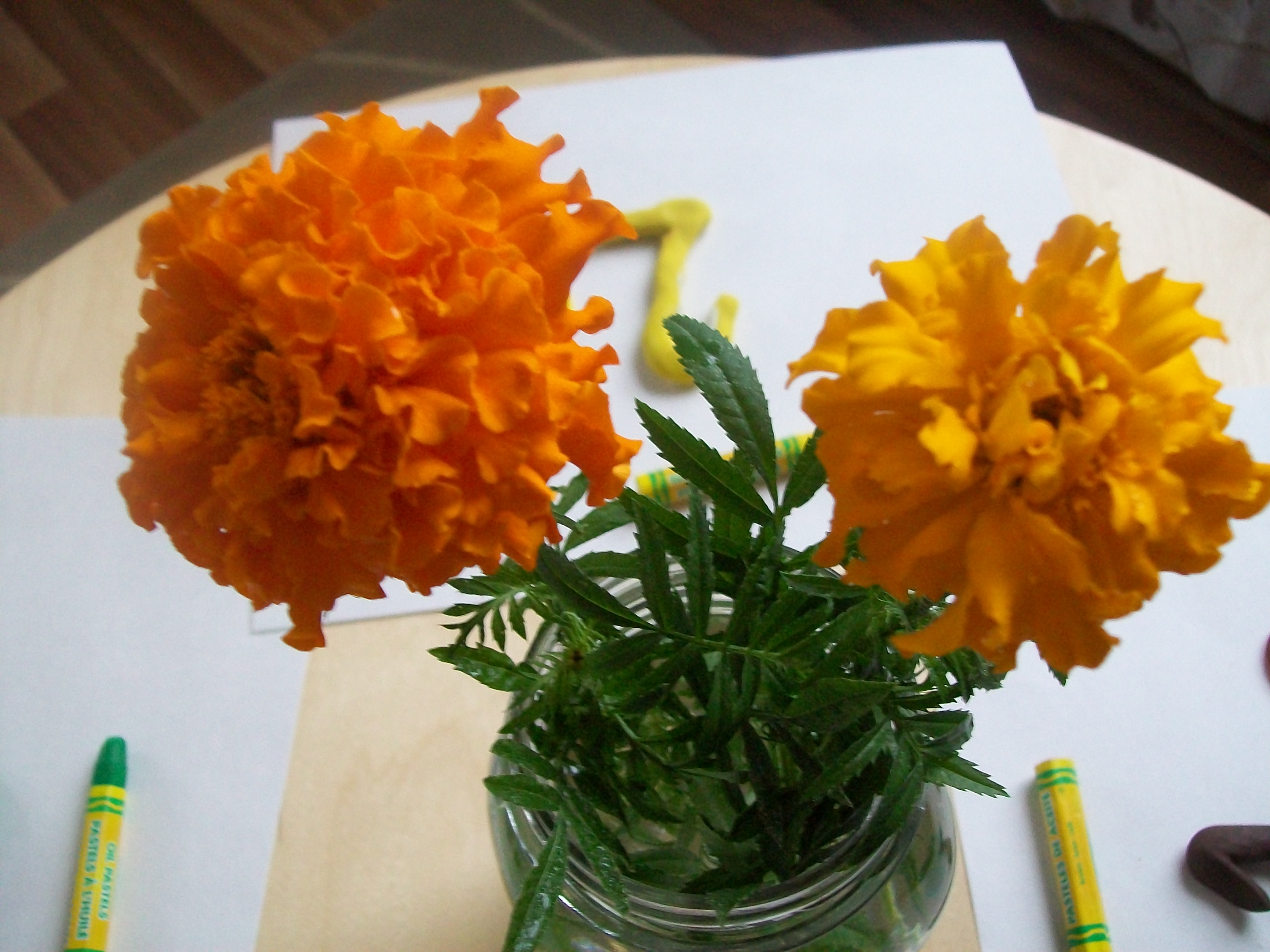
100_8087  I chose an autumn theme for the colors of clay, buttons and oil pastels, but you could always choose the colors you see and hear your children wearing, choosing and telling you they like.  This was my way of incorporating a seasonal color theme without all the “cookie cutter” close-ended units and lessons.  I find it fascinating to be able to set up a provocation and wait to see how the children interpret the meaning for themselves.  And I love being able to scaffold with each child, building onto and opening doorways in their minds for deeper understanding.  The button alone could spark a brief discussion on the buttons a child has on his/ her shirt or coat.  The child may remember a family member like a Grandfather or Grandmother having buttons to play with when they visit.  Children have rich memories and experiences each brings to the classroom and I never know what provocations will spark special memories.  Memories are worth writing down and appreciating.

100_8086  I tried to pick out buttons that were similar in color yet have a different appearance.  Each button is of a different size and has specific surface details.  The picture above has two yellow buttons, yet each is of a different size and has a different number of holes.  The surface textures of both have a different design as well.  These are details I noticed and sometimes the children will notice these on their own and be interested in the differences.  Other times children will not pay attention to these fine details because they do not consider them to be important details.  This is where as a Teacher I can point out and question the children about what they see as being the same and what is different.  Pointing them is a direction I would like them to notice sometimes leads to more questions from the children as to why the buttons are not the same.  It can also spark memories of experiences with other clothing or toy items that are different and the same.  Keep the conversations open and keep them going when you see an opportunity.

100_8085  Color differences are also noticeable between the clay, oil pastel and buttons.  This could lead you to set up more provocations with the color spectrum in mind.  Exploring colors and how color is created could lead the children into a great scientific exploration.  Discuss with the children things in nature that are green and all the different shades of green.  Bring in leaf and grass samples to set up and compare the differences in color.  Since it is Autumn you could also use this time to teach the children about how the leaves turn in the fall and why.  Nothing too heavy because the children are ages three, four and five, but enough scientific information that keeps them asking more questions and keeps the topic open for further investigations.  Let the children lead you in what you add to the curriculum.  Rich learning and strong foundations for further learning happen when we, Teachers and Parents respect the interests and knowledge young children inquire and talk about.


Heidi Scott, BA & MIT   The Marigold School of Early Learning! :)

Please like and Share!

100_8088 

Preschools in Vancouver, Preschools in Vancouver, WA, Preschools The Marigold School of Early Learning

Fabric and Buttons!

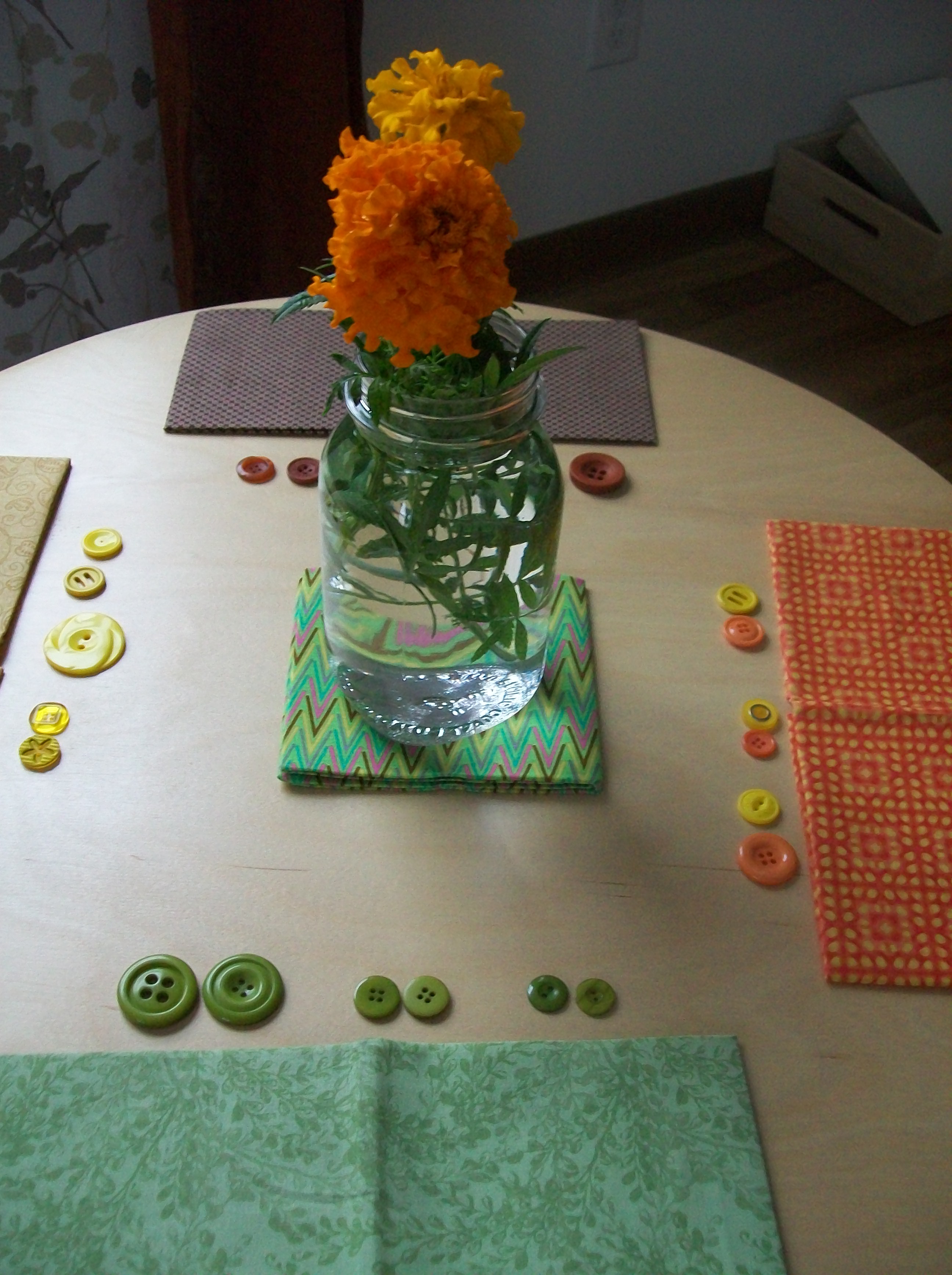
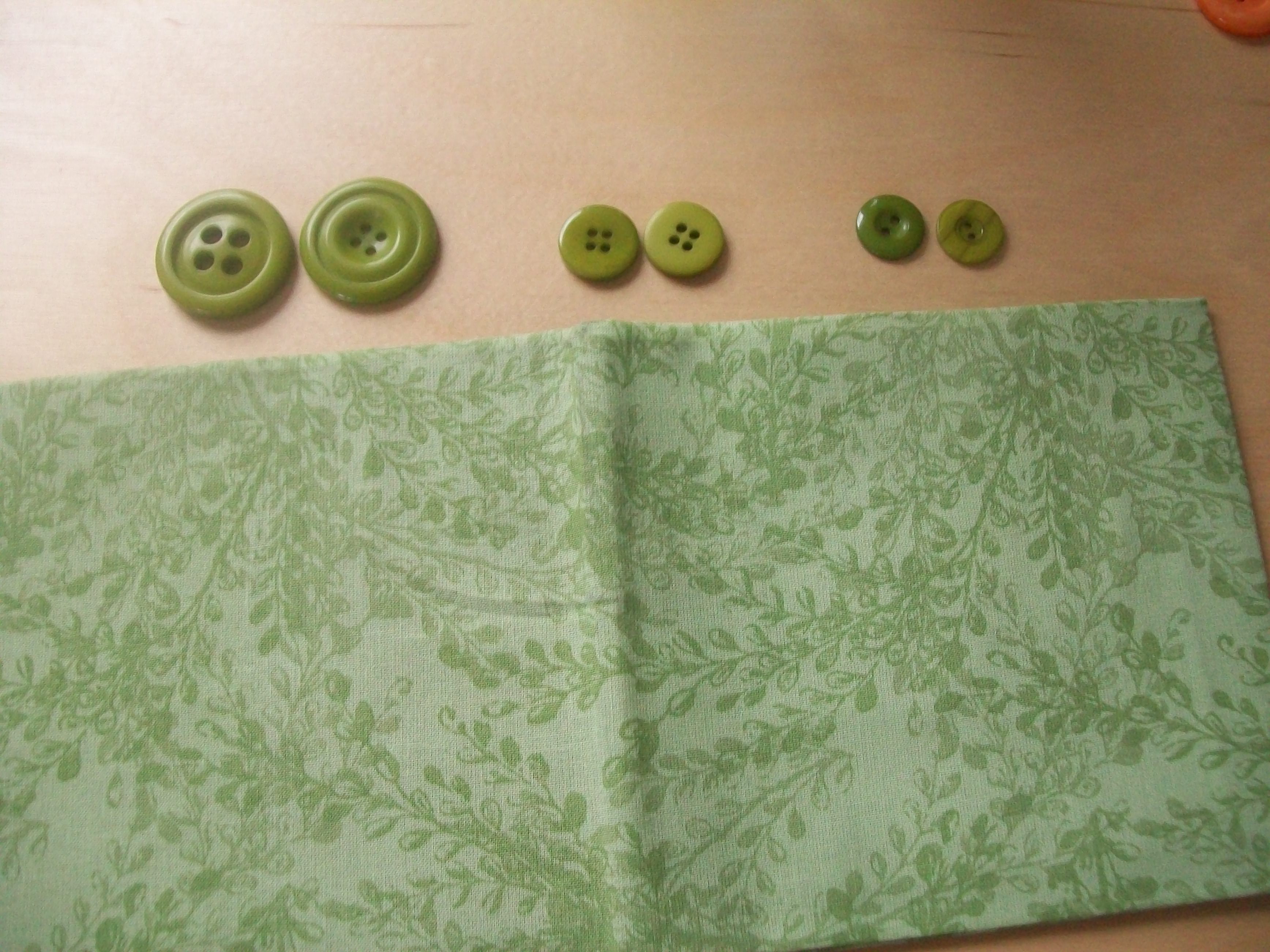
100_8100 Using textures and small manipulatives like buttons for beginning patterning provocations is another way to introduce mathematic concepts to young minds in a non-intrusive way.

100_8096 This is an example of how you can display biggest to smallest using buttons.  The idea when setting up provocations like this one with fabric and buttons, is to keep in mind this is an open-ended exploration.  Watch, listen and observe how one or all four children at the table use the materials or choose not to use them.  Revisit this provocation and from the observations and words of the children formulate questions to spark a discussion of possible uses for fabric and buttons.  You may be surprised at what non-conventional ways the children will come up with. :)

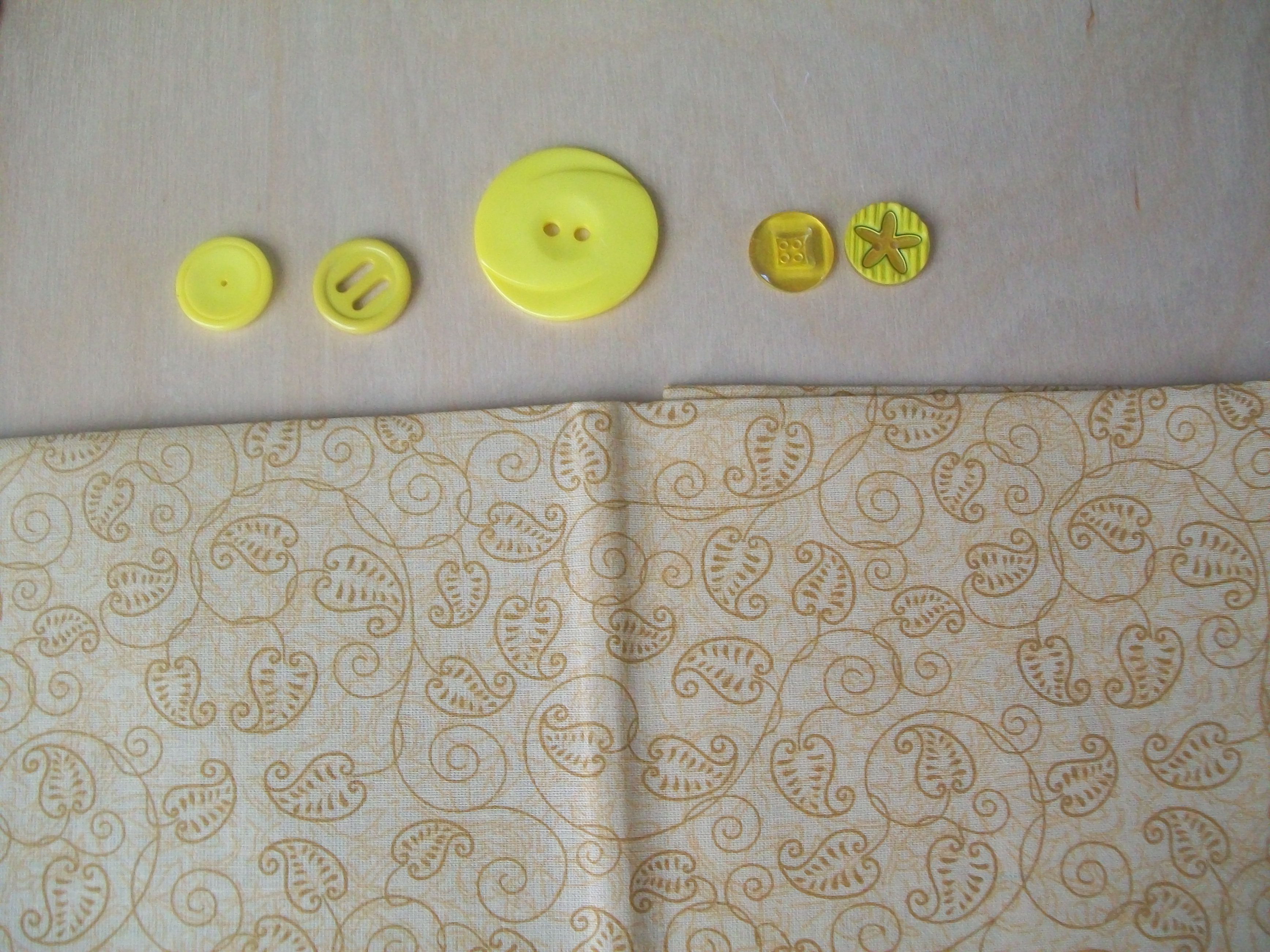
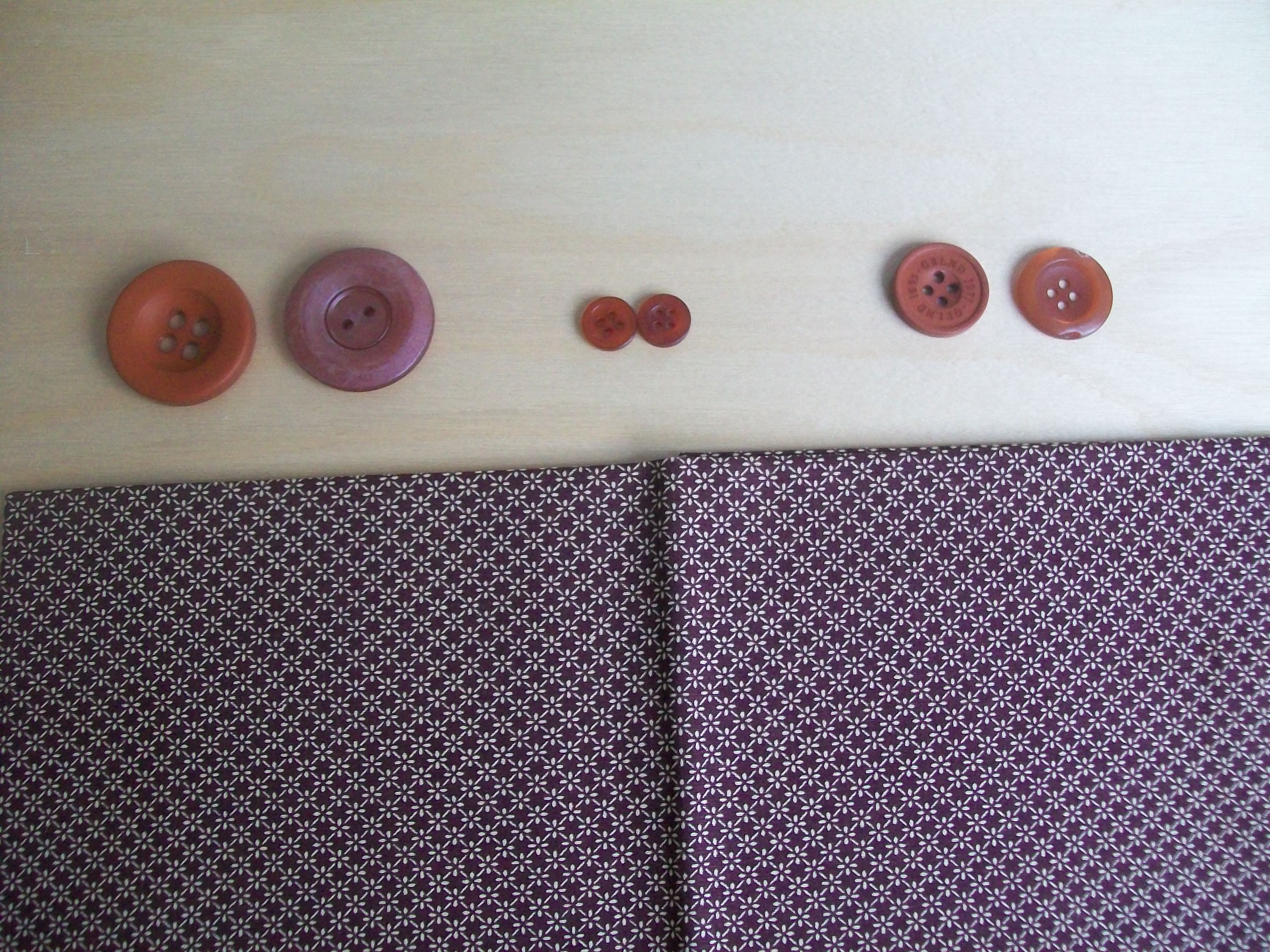
100_8097 Using different nature based or Autumn colors is another way to stimulate a child’s young mind in terms of creativity.  Here is a cream colored fabric with yellow buttons along with leaf patterns and a star shape.  These small details may be noticed by the children and this could inspire one or more to draw or paint a picture of leaves or stars.  The children may ask for clay to sculpt a flower.  You never know where a young mind will take a provocation.

100_8098  Now you may be thinking this is too abstract, not enough information for a young mind.  However, my expectations are for the young mind’s capacity to question, explore ideas and take risks creating things inspired by a provocation like this one.  Conversation and deep discussion can come about from the children for different uses of fabric and buttons.  Sizes, shapes, colors, textures are all a part of the natural and artificial world in which all children live and breath.  Use what you have to provoke deep thought, questioning, exploring and constructing minds of the young children you teach or care for.

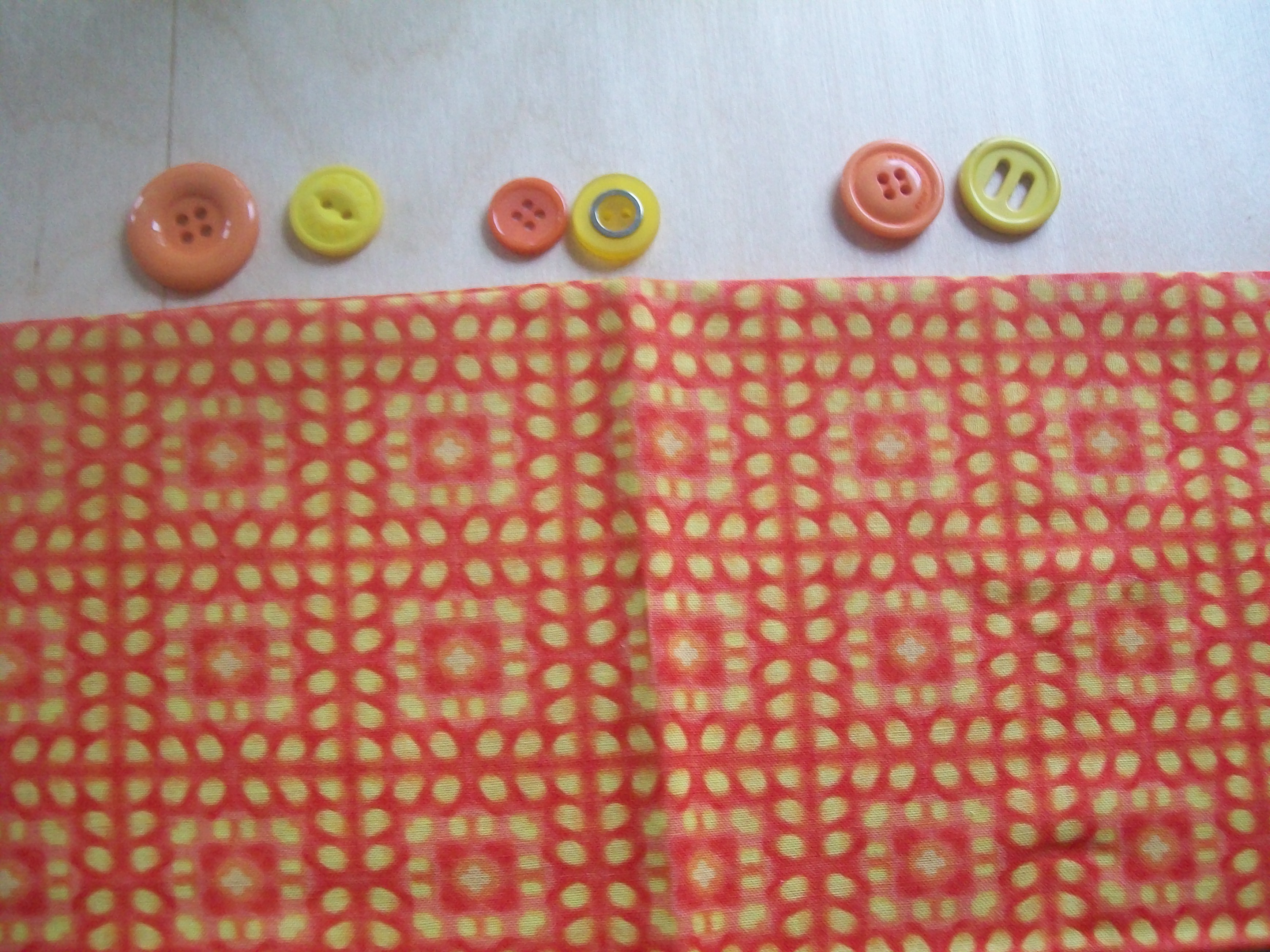
100_8099  Patters are in real nature and they are in artificial nature.  Here is an example of using the colors in the fabric to create with buttons a red and yellow pattern.  Again this is a provocation which may lead a young child to extend the pattern, or it may inspire them to draw or sculpt.  As a Teacher my ideas and adult expectations have to be put on the back burner.  I have to be patient and wait to see how young three, four and five year old minds will interpret and create with exposure  to a provocation like this one.  The types of questions I ask to further exploration may differ for each age group or I may observe how each child of a different age influences another’s ideas and constructions based on this one provocation.

Give this provocation a try!  See what your young preschool children come up with.  Let me know how it worked out for you.  Let me know if it did not work and how you changed the provocation.  How did your discussions on this provocation unfold and what insights did you gain in terms of how each child interpreted the provocation?  I want to hear from you!  Please like and share!


Thank you!

Heidi Scott, BA & MIT  The Marigold School of Early Learning :)


Preschools in Vancouver, Preschools The Marigold School of Early Learning

Ways to use fine motor skills and communication

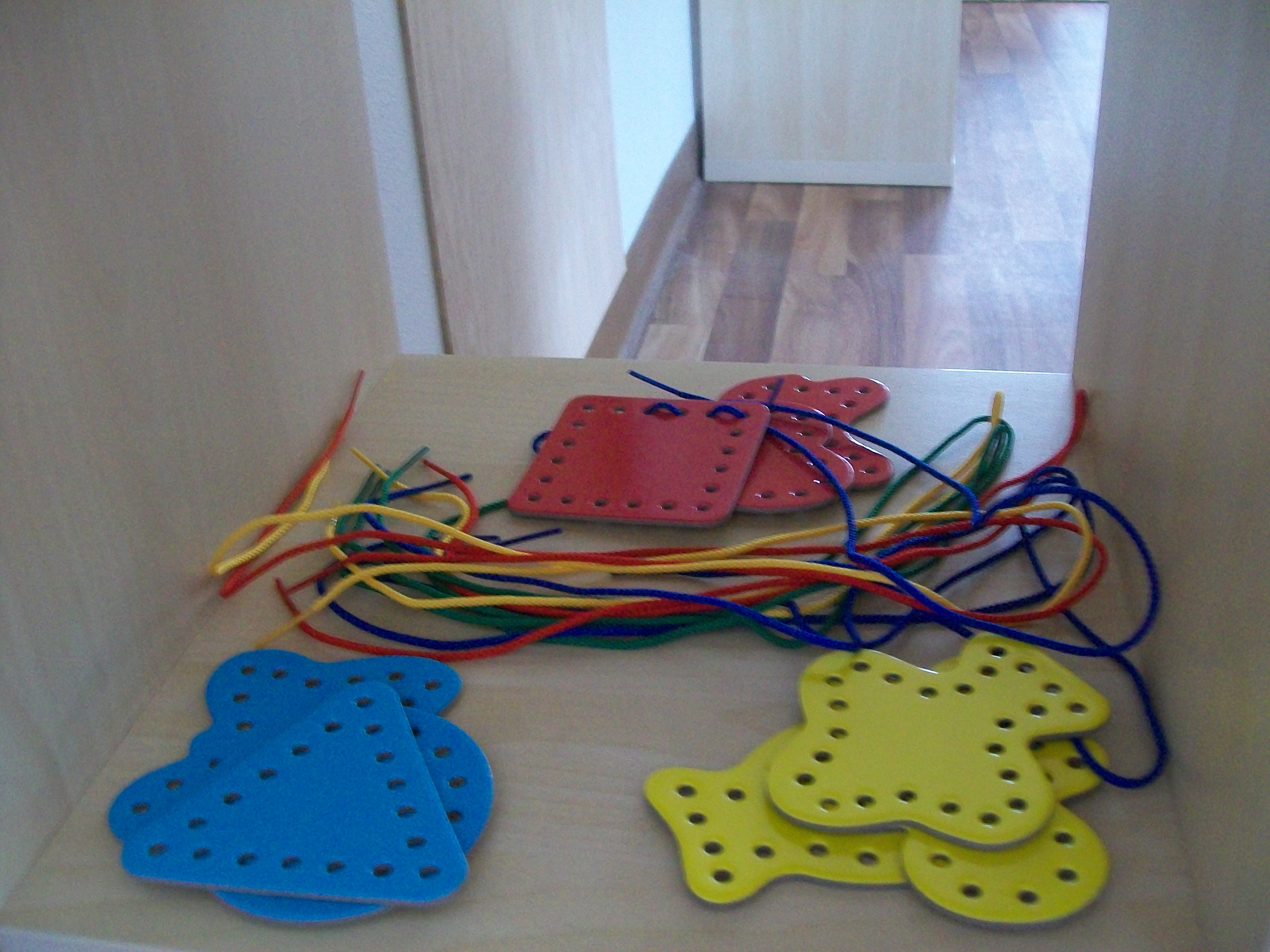
100_7922  Lacing cards are a great way to incorporate fine motor skill practice.  It is also an opportunity for a Teacher or Parents to role model and guide a young child during their first tries at this task.  Once the child has mastered the concept it is a great way for the child to continue to develop those small muscles in their hands and wrists. :)

Lacing cards are also a good lead in to learning how to tie shoe laces on children’s shoes.  The key to remember for both tasks is that it takes time.  Allow your child time to experiment and practice.  Be there to guide and support and not criticize.  

Lacing cards are also a task that allows the Teacher or Parent to dialogue with children about anything of interest to the child.  Asking open-ended questions such as, “What are you thinking right now?” or “What other ways do you think you can use laces?” are a couple of questions that can stimulate a child’s mind and cause him/ her to think about things they may never have really thought too much about.  Give children time to think once you’ve asked a question and take the time to really listen to his/ her answers or their questions.  Children are better communicators than we think once we really listen to them.  The key to children communicating effectively with each other is slowing them down and helping them develop the social skills needed to listen to their peers in the same way they listen to adults they respect.

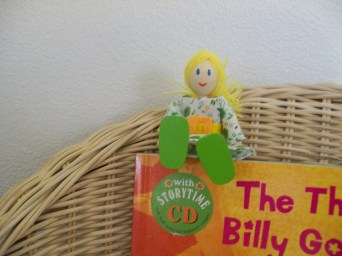
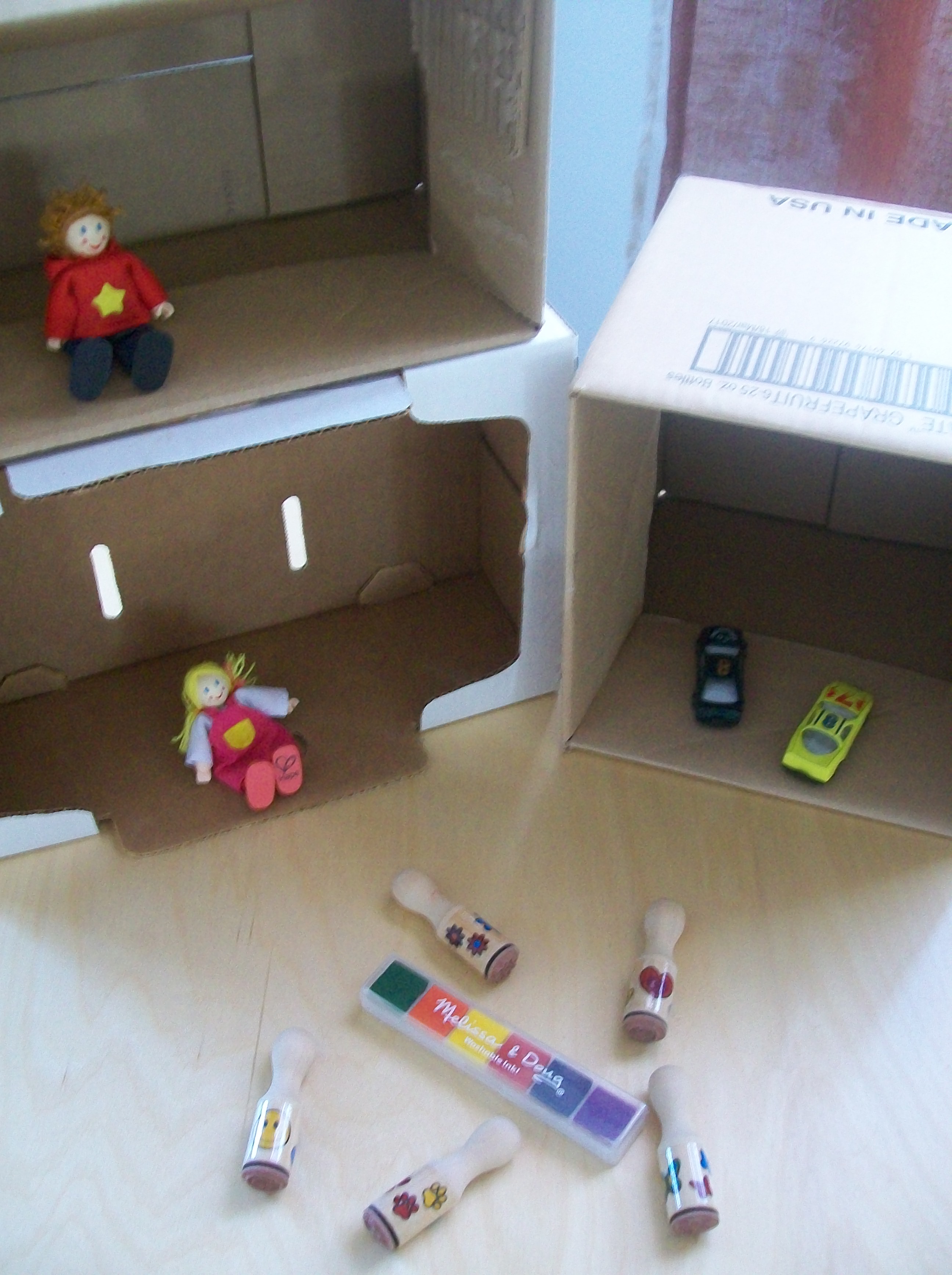
100_7884   100_7915 Using small wooden dolls to encourage reading and telling stories is also another way of utilizing fine motor skills and communication.  This time the dialogue can be about stories the children currently love and can’t get enough of, or stories they’ve never heard until today.  The children may be inspired by the stories a Teacher or Parent reads and they may use their dolls to act out the characters.  More creativity and detail can go into a child’s inspired representation of a story if given the chance to allow their ideas to emerge.  Teacher’s and Parents are scribes until the child is older and can write for themselves.  Fine motor development happens as children create the world the doll lives in as he/ she creates the story props.  Recyclable materials come in handy for encouraging a child to continue with his/ her creative story telling  and fine motor development.  Once again deep and enriching learning is happening when children are allowed to explore, create, question and implement ideas encompassing fine motor and communication development.  

100_7924  Remember to always look at your recyclable pieces as a “loose part and intelligent play thing”.  If your not sure of what this term means, take some time to research this and let me know what interesting things you find out! :)

Heidi Scott, BA & MIT  The Marigold School of Early Learning 

Serving children ages three to five years!